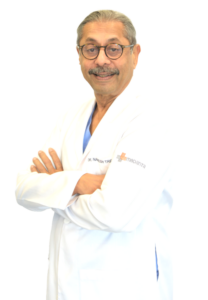
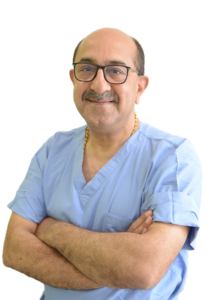
Compare the specialist first: operative approach, relevant experience and clinical focus. Open the studies within each card for the patient groups, outcomes and follow-up behind those claims.
Cards follow the selected procedure’s default experience comparison above. Providers without a comparable public count retain their clinical profiles without a numbered position.
Specialist expertiseValve-sparing aortic root
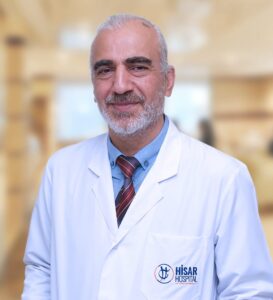
Ali Fedakar
Hisar Hospital Intercontinental
cardiovascular surgeon
Ali Fedakar’s Hisar practice explicitly includes second and third valve operations, coronary bypass and aortic surgery. His background is particularly relevant to patients whose new operation must account for an earlier valve or bypass procedure.
Sources: Prof. Dr. Ali Fedakar, M.D. | Hisar Intercontinental Hospital
Specialist expertiseValve-sparing aortic root
Emmanuel Lansac
AP-HP Pitié-Salpêtrière
aortic valve repair and root remodelling
Emmanuel Lansac is listed in Pitié-Salpêtrière’s cardiac surgery service. His technique-focused research combines root remodelling with an external ring supporting the valve annulus, aiming to retain the natural aortic valve.
Sources: External aortic annuloplasty with a dedicated expansible ring improves outcomes in remodeling root repair compared with homemade Dacron ring. · Dr Emmanuel Lansac · Cardiac and thoracic surgery at Pitié-Salpêtrière
Specialist expertiseValve-sparing aortic root
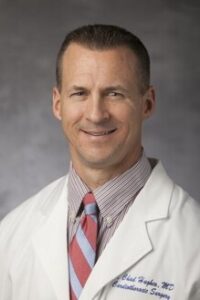
G. Chad Hughes
Duke University Hospital
aortic surgery and valve-sparing repair
G. Chad Hughes’s Duke practice covers aortic valve repair, valve-sparing root replacement and disease extending to the arch and thoraco-abdominal aorta. His team has also published late limitations of a specific repair device.
Sources: Duke Center for Aortic Disease combines cardiothoracic and vascular surgery · G. Chad Hughes, MD · Mid-term outcomes of aortic valve repair using an anatomically shaped internal annuloplasty ring.
Specialist expertiseValve-sparing aortic root
Hans-Joachim Schäfers and colleagues
historical Homburg programme
Native-valve preservation with a large bicuspid-valve subgroup.
472 patients had bicuspid valves; 1,047 had associated cusp repair. Fifteen-year freedom from reoperation was 94% for tricuspid versus 84% for bicuspid valves.
Sources: Remodeling of the aortic root—a 28-year journey
1 clinical study · methods, results and risks
Native-valve preservation with a large bicuspid-valve subgroup.
1189 valve-preserving root-remodeling patients in this study
1995–2022 · published 2023
472 patients had bicuspid valves; 1,047 had associated cusp repair. Fifteen-year freedom from reoperation was 94% for tricuspid versus 84% for bicuspid valves.
Results: Full-text estimate: 88% freedom from valve reoperation at 20 years; 77% freedom from regurgitation grade 2 or greater at 15 years.
Follow-up: Mean 6.7 ± 5.5 years; 95% follow-up completeness.
Study context: Historical Saarland/Homburg programme cohort, not a personal count. Schäfers was director until 2023 and is now Senior Consultant at Westpfalz. Technique and selection changed over time. Kaplan–Meier freedom from reoperation cannot be directly compared with Toronto’s competing-risk estimate. A valve can leak without having been reoperated on.
Sources: Remodeling of the aortic root—a 28-year journey
Specialist expertiseValve-sparing aortic root
chief cardiac surgeon
Naresh Trehan is Medanta’s chief cardiac surgeon. The official service listing spans CABG, valve repair and replacement, aortic disease and complex repeat operations, providing a broad surgical setting when several cardiac problems coexist.
Sources: Cardiac Surgery Experts in Gurugram — Medanta · Dr. Naresh Trehan | Medanta
Specialist expertiseValve-sparing aortic root
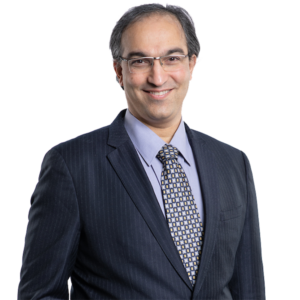
Piroze M. Davierwala
Peter Munk Cardiac Centre, Toronto General Hospital
total-arterial minimally invasive CABG
Piroze Davierwala directs the minimally invasive cardiac-surgery programme at UHN. Its coronary service includes selected multivessel total-arterial CABG through an incision between the ribs without heart–lung support.
Sources: Minimally invasive coronary artery bypass graft surgery · Total Arterial Multivessel Minimally Invasive Coronary Artery Bypass Surgery: 5-Year Outcomes. · MICS programme and Dr Piroze M. Davierwala
Specialist expertiseValve-sparing aortic root
Tirone David and colleagues
Toronto programme
Follow both reoperation and recurrent leakage when judging durability.
At 20 years, estimated valve-reoperation probability was 6.0% with death treated as a competing risk; moderate or severe aortic insufficiency was 10.2%.
Sources: A progress report on reimplantation of the aortic valve
Broader practice and technique context
15,000+ All cardiac operations; procedure mix unspecified in countPersonal operations · Career cumulative reported in 2015 · published 2015
All cardiac operations; procedure mix unspecified in count. Historical figure; source date shown.
Changing the way cardiac surgery is practiced ↗ · source read 2026-10-08 1 clinical study · methods, results and risks
Follow both reoperation and recurrent leakage when judging durability.
465 aortic-valve reimplantation patients in this study
1989–2018 · published 2021
At 20 years, estimated valve-reoperation probability was 6.0% with death treated as a competing risk; moderate or severe aortic insufficiency was 10.2%.
Results: 95% confidence intervals: 2.8–12.9% for reoperation and 5.7–17.4% for insufficiency. Only 25 patients were alive and free from reoperation beyond 20 years.
Follow-up: Mean 10 ± 6 years; 98% completeness. This is not 20-year observation of all 465 patients.
Study context: Three attending surgeons contributed. UHN currently lists David and division head Maral Ouzounian; no individual case allocation or appointment availability is established. Selected expert-centre cohort. Do not turn 6% reoperation into “94% durable success”, or transfer historical programme results to an individual surgeon.
Sources: A progress report on reimplantation of the aortic valve
Specialist expertiseValve-sparing aortic root
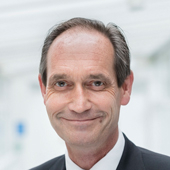
Ulrich Rosendahl
Royal Brompton Hospital
consultant cardiac surgeon
Ulrich Rosendahl’s Royal Brompton practice includes valve-sparing aortic-root replacement and reconstruction of the wider aorta. This is relevant when an aneurysm overlaps with valve disease, a previous operation or a connective-tissue disorder.
Sources: Ulrich Rosendahl — clinical expertise and Royal Brompton location · Mr Ulrich Rosendahl | Royal Brompton & Harefield hospitals
Specialist expertiseCABG / bypass
Ali Fedakar
Hisar Hospital Intercontinental
cardiovascular surgeon
Ali Fedakar’s Hisar practice explicitly includes second and third valve operations, coronary bypass and aortic surgery. His background is particularly relevant to patients whose new operation must account for an earlier valve or bypass procedure.
Sources: Prof. Dr. Ali Fedakar, M.D. | Hisar Intercontinental Hospital
Specialist expertiseCABG / bypass
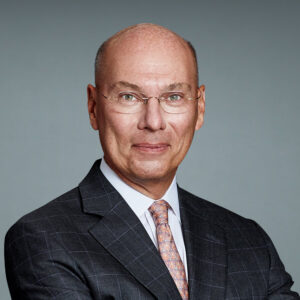
Daniel G. Swistel
NYU Langone
HCM myectomy and mitral valve repair
Daniel Swistel directs HCM surgery at NYU Langone. His published resect–plicate–release approach combines septal muscle removal with selected leaflet shortening and release of abnormal papillary attachments.
Sources: Resect–plicate–release · 77-patient study (2015) · NYU Langone · Daniel Swistel · NYU Langone · HCM programme
Specialist expertiseCABG / bypass
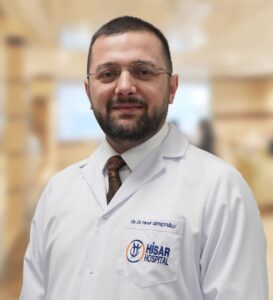
Faruk Gençoğlu
Hisar Hospital Intercontinental
Robotic and minimally invasive coronary bypass
Faruk Gençoğlu’s official Hisar profile includes minimally invasive and beating-heart bypass, Da Vinci cardiac surgery and endoscopic valve surgery. His current Bookimed robotic-CABG programme combines surgery with inpatient monitoring and postoperative coordination.
Sources: Faruk Gençoğlu — hisar faruk official · Faruk Gençoğlu — hisar robotic cabg
Specialist expertiseCABG / bypass
Haşim Üstünsoy
Anadolu Medical Center
director and adult/pediatric cardiovascular surgeon
Haşim Üstünsoy treats adult and paediatric cardiovascular disease at Anadolu. His clinical scope includes minimally invasive and robotic surgery; the programme also offers complex valve repair and valve-sparing aortic-root surgery.
Sources: Prof. Haşim Üstünsoy | Anadolu Medical Center · Cardiovascular Surgery — Anadolu Medical Center · Robotic Surgery — Anadolu Medical Center
Specialist expertiseCABG / bypass
Husam Balkhy
UChicago Medicine programme
Totally endoscopic bypass: clarify whether the plan also includes stents.
56% had multivessel TECAB. The reported 97% early graft patency came from the imaged hybrid-revascularization subgroup, not all 544 patients or long-term imaging.
Sources: Robotic off-pump totally endoscopic coronary artery bypass in the current era: report of 544 patients · Husam H. Balkhy, MD — UChicago Medicine
2,400+ Minimally invasive robot-assisted cardiac procedures across CABG, valves, ablation and congenital defectsPersonal operations · Cumulative by September 2024; start unspecified · published 2024-09-19 · counting date 2024-09-19
Minimally invasive robot-assisted cardiac procedures across CABG, valves, ablation and congenital defects.
Former US attorney general chooses UChicago Medicine for robotic heart surgery ↗ · source read 2026-10-08 1 clinical study · methods, results and risks
Totally endoscopic bypass: clarify whether the plan also includes stents.
544 robotic off-pump TECAB patients in this study
July 2013–August 2020 · published 2021/2022
56% had multivessel TECAB. The reported 97% early graft patency came from the imaged hybrid-revascularization subgroup, not all 544 patients or long-term imaging.
Results: One conversion to sternotomy; reported mortality 0.9%. At 38-month follow-up, freedom from major cardiac events was 92.5%.
Follow-up: 38 months; the abstract does not label this mean or median.
Study context: Balkhy is the current official robotic surgery director and first author. The abstract does not assign every operation personally to him. Selected patients at one centre; the study’s bypass and hybrid graft/stent strategies apply to different coronary anatomies.
Sources: Robotic off-pump totally endoscopic coronary artery bypass in the current era: report of 544 patients · Husam H. Balkhy, MD — UChicago Medicine
Specialist expertiseCABG / bypass
Marc Ruel
Ottawa Heart Institute programme
Follow what happens years after the bypass, including new coronary disease.
49/566 patients (8.7%) had repeat revascularization; the estimated 12-year cumulative incidence was 14.8%. Progression in native vessels accounted for 23 of those 49 repeat procedures.
Sources: Revascularization after minimally invasive coronary artery bypass grafting in 566 patients: Is it a problem? · Ruel, Marc — University of Ottawa Heart Institute
1 clinical study · methods, results and risks
Follow what happens years after the bypass, including new coronary disease.
566 MICS CABG patients in this study
17-year accrual period · published 2024/2025
49/566 patients (8.7%) had repeat revascularization; the estimated 12-year cumulative incidence was 14.8%. Progression in native vessels accounted for 23 of those 49 repeat procedures.
Results: Clinical follow-up was 100% complete, averaging 7.0 years. Repeat intervention is not the same endpoint as graft failure.
Follow-up: Mean 7.0 ± 4.4 years; exact calendar accrual dates not stated in the abstract.
Study context: Ottawa programme cohort. Ruel is senior author and a current official MICS surgeon; 566 is not a personal case count. Primary abstract reviewed. Small-thoracotomy multivessel CABG; the study does not supply long-term angiographic patency for every graft.
Sources: Revascularization after minimally invasive coronary artery bypass grafting in 566 patients: Is it a problem? · Ruel, Marc — University of Ottawa Heart Institute
Specialist expertiseCABG / bypass
Mario F.L. Gaudino
NewYork-Presbyterian / Weill Cornell Medicine
arterial grafting for coronary bypass
Mario Gaudino’s Weill Cornell practice explicitly includes radial-artery and bilateral internal mammary-artery grafting. His research addresses what a bypass graft is made from, independently of the chest incision.
Sources: Mario F.L. Gaudino, MD, PhD · Association of Radial Artery Graft vs Saphenous Vein Graft With Long-term Cardiovascular Outcomes Among Patients Undergoing Coronary Artery Bypass Grafting: A Systematic Review and Meta-analysis.
Specialist expertiseCABG / bypass
chief cardiac surgeon
Naresh Trehan is Medanta’s chief cardiac surgeon. The official service listing spans CABG, valve repair and replacement, aortic disease and complex repeat operations, providing a broad surgical setting when several cardiac problems coexist.
Sources: Cardiac Surgery Experts in Gurugram — Medanta · Dr. Naresh Trehan | Medanta
Specialist expertiseCABG / bypass
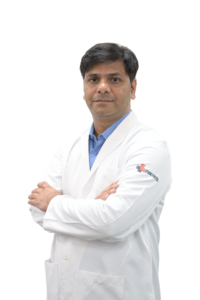
Nitin Kumar Rajput
Medanta
Cardiac surgeon, Medanta Gurugram
Nitin Kumar Rajput’s Medanta practice includes robotic-assisted CABG, beating-heart surgery and endoscopic mitral and aortic valve replacement. His scope also includes repeat bypass and repeat valve operations.
Sources: Cardiac Surgery Experts in Gurugram — Medanta
Specialist expertiseCABG / bypass
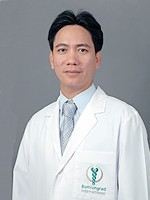
Pat Ongcharit
Bumrungrad International Hospital
cardiothoracic surgeon
Pat Ongcharit is a Bumrungrad cardiothoracic surgeon whose listed interests include coronary and valve disease. His background combines Thai specialist certification with cardiothoracic and transplant fellowship training at Papworth Hospital.
Sources: Pat Ongcharit, M.D. | Bumrungrad International Hospital
Specialist expertiseCABG / bypass
Piroze Davierwala
historical Leipzig cohort; now UHN Toronto
The graft plan matters: total-arterial means no vein conduits.
Selected elective patients received a mean 2.4 grafts through a minithoracotomy. Estimated five-year survival was 93.3%; freedom from major cardiac/cerebrovascular events was 83.8%.
Sources: Total Arterial Multivessel Minimally Invasive Coronary Artery Bypass Surgery: 5-Year Outcomes · About the MICS Program — Peter Munk Cardiac Centre, UHN
1 clinical study · methods, results and risks
The graft plan matters: total-arterial means no vein conduits.
186 total-arterial multivessel CABG patients in this study
2015–2021 · Leipzig study published 2024
Selected elective patients received a mean 2.4 grafts through a minithoracotomy. Estimated five-year survival was 93.3%; freedom from major cardiac/cerebrovascular events was 83.8%.
Results: One hospital death, six perioperative myocardial infarctions, 12 repeat thoracotomies and two conversions to sternotomy.
Follow-up: Five-year estimates; mean or median follow-up duration not supplied in the abstract.
Study context: Davierwala is senior/corresponding author and now leads a UHN Toronto programme. These are Leipzig outcomes, not Toronto outcomes or a personal case count. Primary abstract reviewed. An uncontrolled, selected series cannot establish superiority of the graft choice or incision.
Sources: Total Arterial Multivessel Minimally Invasive Coronary Artery Bypass Surgery: 5-Year Outcomes · About the MICS Program — Peter Munk Cardiac Centre, UHN
Specialist expertiseCABG / bypass
Senior Director, Cardiac Surgery, Medanta Gurugram
Surinder Bazaz’s Medanta practice includes total-arterial CABG on a beating heart and coronary endarterectomy. These are specific capabilities for the graft plan and diseased coronary vessel, beyond the size of the chest incision.
Sources: Dr. Surinder Bazaz — Medanta Gurugram · Cardiac Surgery Experts in Gurugram — Medanta
Specialist expertiseCABG / bypass
Ulrich Rosendahl
Royal Brompton Hospital
consultant cardiac surgeon
Ulrich Rosendahl’s Royal Brompton practice includes valve-sparing aortic-root replacement and reconstruction of the wider aorta. This is relevant when an aneurysm overlaps with valve disease, a previous operation or a connective-tissue disorder.
Sources: Ulrich Rosendahl — clinical expertise and Royal Brompton location · Mr Ulrich Rosendahl | Royal Brompton & Harefield hospitals
Specialist expertiseCABG / bypass
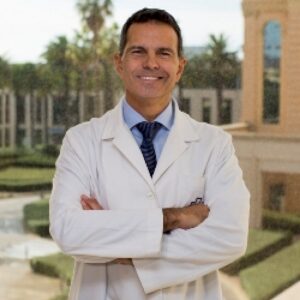
Xavier Ruyra Baliarda
Centro Médico Teknon
Coronary bypass and cardiac surgery
Xavier Ruyra Baliarda heads cardiac surgery at Teknon Heart Institute. The official profile describes beating-heart coronary surgery and blood-conservation techniques; his advertised CABG package itemises the medical stay separately from travel.
Sources: Dr Xavier Ruyra — official Teknon clinical profile · Xavier Ruyra Baliarda — teknon cabg
Specialist expertiseHCM / myectomy
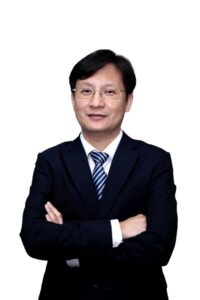
Yong Cui
Zhejiang Provincial People’s Hospital
#1 · Programme operations · 2024 · septal myectomies · among 2 with comparable public figures
250+septal myectomiesProgramme operations
Calendar year 2024 · published 2025-01-31 · counting date 2024-12-31
Right infra-axillary modified-Morrow myectomies. This technique-specific count is a minimum for the programme’s total myectomy activity; other approaches are not included.
心有“勇”术|崔勇:寻道创新,微步致远 ↗Right infra-axillary transaortic myectomy with documented subvalvular work.
Papillary resection in 72/148 (48.6%); chordal resection in 93/148 (62.8%); papillary reorientation in 15/148 (10.1%). Procedures overlap.
Sources: An innovative minimally invasive approach for HOCM: transaortic septal myectomy via right infra-axillary incision · Yong Cui practice profile
1,000+ septal myectomiesProgramme operations · Cumulative; counting cutoff not stated
HCM myectomy programme using an underarm route that preserves the breastbone.
MESM programme / Yong Cui ↗ · source read 2026-10-08 5,000+ Minimally invasive cardiac operations across conditionsProgramme operations · Cumulative; counting cutoff not stated
Minimally invasive heart operations across conditions since 2018; this is broader than HCM.
Yong Cui practice overview ↗ · source read 2026-10-08 2 clinical studies · methods, results and risks
Right infra-axillary transaortic myectomy with documented subvalvular work.
148 patients in this study
September 2021–July 2023 · published 2024
Papillary resection in 72/148 (48.6%); chordal resection in 93/148 (62.8%); papillary reorientation in 15/148 (10.1%). Procedures overlap.
Results: Mean peak LVOT gradient 85.1 → 11.7 mmHg after surgery. 1/148 in-hospital death; 8/148 permanent pacemakers; no conversion to sternotomy reported.
Follow-up: Numerical follow-up duration was not specified in the inspected report.
Study context: Zhejiang Provincial People’s Hospital study, with Yong Cui as senior/corresponding author. Selected single-centre approach series without a sternotomy control group. Pacemaker risk is affected by baseline conduction abnormalities. This is the earlier modified-Morrow series, not the newer 100-patient MESM series.
Sources: An innovative minimally invasive approach for HOCM: transaortic septal myectomy via right infra-axillary incision · Yong Cui practice profile
Electro-septal sculpting through a 4–5 cm right infra-axillary incision.
100 patients in this study
November 2023–May 2024 · print publication 2026
A distinct newer technique cohort. The practice site describes a long electrocautery instrument; the study abstract reports aortic cross-clamping.
Results: Mean peak LVOT gradient 85.8 → 8.4 mmHg after surgery. 4/100 pacemakers; no in-hospital death, iatrogenic VSD or sternotomy conversion reported.
Follow-up: Early postoperative outcomes; long-term duration unavailable in the abstract.
Study context: Zhejiang Provincial People’s Hospital study, with Yong Cui as senior/corresponding author. Abstract-only review. Do not sum this cohort with other publications or the practice website’s lifetime claims. Zero observed deaths does not mean zero risk.
Sources: Minimally Invasive Electro Septal Myectomy for HOCM Through a Right Infra-Axillary Incision · MESM: minimally invasive electro septal myectomy
Specialist expertiseHCM / myectomy
Nicholas Smedira
Cleveland Clinic
#2 · Programme operations · 2024 · septal myectomies · among 2 with comparable public figures
201septal myectomiesProgramme operations
Calendar year 2024 · published 2025-08-27 · counting date 2024-12-31
Programme total across septal approaches, including operations with associated procedures.
Cleveland Clinic 2024 HOCM data highlights ↗A broad surgical series that includes mitral and subvalvular correction.
522 operations combined myectomy with mitral or subvalvular intervention. Those patients had thinner septums on average than patients without mitral intervention.
Sources: Surgical management of LVOT obstruction in a specialized HOCM center · Nicholas Smedira, MD — Cleveland Clinic
3,500+ septal myectomiesProgramme operations · 2002–2021; exact boundary dates not specified
Cleveland programme experience across 2002–2021, described by Milind Desai in an official clinical discussion. It is separate from Smedira’s personal participation count.
Surgical Myectomy for Hypertrophic Cardiomyopathy ↗ · source read 2026-10-08 1 clinical study · methods, results and risks
A broad surgical series that includes mitral and subvalvular correction.
1530 myectomy-containing operations in this study
2005–2015 · study published 2019
522 operations combined myectomy with mitral or subvalvular intervention. Those patients had thinner septums on average than patients without mitral intervention.
Results: Operative mortality 0.38% in the full 1,559-operation LVOTO cohort. Complete-block pacemakers: 4.2% of the reported 1,334-patient denominator.
Follow-up: Perioperative outcomes in the primary abstract; no comparable long-term duration extracted.
Study context: Smedira is a currently listed myectomy specialist and study coauthor. The primary abstract says one surgeon, but does not name that operator. These are programme-study results. 1,530 is derived from 586 isolated + 522 with mitral/subvalvular work + 422 with other procedures. Another 29 operations were mitral-only. This is not current annual volume.
Sources: Surgical management of LVOT obstruction in a specialized HOCM center · Nicholas Smedira, MD — Cleveland Clinic
Specialist expertiseHCM / myectomy
Daniel G. Swistel
NYU Langone
HCM myectomy and mitral valve repair
Daniel Swistel directs HCM surgery at NYU Langone. His published resect–plicate–release approach combines septal muscle removal with selected leaflet shortening and release of abnormal papillary attachments.
Sources: Resect–plicate–release · 77-patient study (2015) · NYU Langone · Daniel Swistel · NYU Langone · HCM programme
600+ septal myectomiesProgramme operations · Cumulative; counting cutoff not stated
NYU programme total; distinct from any one surgeon’s career experience.
NYU HCM programme ↗ · source read 2026-10-08 Specialist expertiseHCM / myectomy
Hassan Rastegar
historical Tufts series
1,000+septal myectomiesPersonal operations
Cumulative; counting cutoff not stated · published 2023-02-20
Career experience reported by BIDMC in 2023; the linked Tufts study describes an earlier programme.
BIDMC: Rastegar lifetime surgical experience ↗Explicitly attributed individual-operator experience with longer-term follow-up.
All 507 myectomies are attributed to Rastegar. The analysis excludes 25 patients with severe aortic stenosis.
Sources: Results of surgical septal myectomy for obstructive HCM: the Tufts experience
1 clinical study · methods, results and risks
Explicitly attributed individual-operator experience with longer-term follow-up.
482 patients analysed; 507 operated in this study
2003–2016 · study published 2017
All 507 myectomies are attributed to Rastegar. The analysis excludes 25 patients with severe aortic stenosis.
Results: 4/482 operative deaths; 43/482 complete-heart-block pacemakers. The paper’s lower adjusted pacemaker percentage is not the all-patient rate.
Follow-up: Mean clinical follow-up 3.2 years. Estimated survival: 94% at 5 years and 91% at 10 years; not every patient was followed for 10 years.
Study context: Individual operator named in the primary study. Historical benchmark; current appointment and availability were not established in this review. Different selection and follow-up denominators apply. Older outcomes are useful for understanding durability, not a present-day booking recommendation.
Sources: Results of surgical septal myectomy for obstructive HCM: the Tufts experience
Specialist expertiseHCM / myectomy
Joseph A. Dearani
Mayo Clinic Rochester
Nearly 5,000septal myectomiesProgramme operations
Cumulative; counting cutoff not stated
Nearly 5,000 programme myectomies since the programme began in 1961. The approximate total is shown without assigning a numbered place.
Mayo 2025 Cardiovascular Surgery Annual Report ↗HCM and congenital heart surgery
Joseph Dearani’s Mayo practice spans HCM, Ebstein anomaly, congenital surgery and complex reoperations. Mayo’s selected apical-myectomy research addresses a different problem from routine basal septal obstruction.
Sources: Mayo Clinic · HCM treatment options · Mayo · 67 patients with apical aneurysm repair · Mayo Clinic · Joseph Dearani
About 500 Apical myectomiesProgramme operations · Cumulative; counting cutoff not stated
Apical myectomies are part of the broader Mayo programme total, not an additional count.
Mayo 2025 Cardiovascular Surgery Annual Report ↗ · source read 2026-10-08 Specialist expertiseHCM / myectomy
Joshua A. Scheinerman
NYU Langone
Robotic HCM myectomy
Joshua Scheinerman is associate surgical director of NYU’s HCM programme. The hospital identifies him as a lead operator in its first reported robotic trans-mitral myectomy, performed through right-chest ports.
Sources: Current Joshua A. Scheinerman institutional profile · NYU HCM programme · NYU first robotic myectomy clinical case
Specialist expertiseHCM / myectomy
Paolo Ferrazzi and colleagues
Policlinico di Monza
400+septal myectomiesPersonal operations
Cumulative; counting cutoff not stated · source edition 2022-06-29
Personal myectomy experience in a June 2022 hospital brochure; includes expertise in mitral secondary-chordal work.
Policlinico di Monza HCM brochure ↗Myectomy plus cutting selected secondary mitral chordae
Addresses thickened or retracted secondary chordae alongside septal muscle.
Sources: Ferrazzi et al. · JACC 2026 · 350 patients
1 clinical study · methods, results and risks
Myectomy plus cutting selected secondary mitral chordae
350 consecutive patients in the reported centre cohort in this study
Published June 2026 · operations over a five-year period
Addresses thickened or retracted secondary chordae alongside septal muscle.
Results: Follow-up available for 344 patients; latest NYHA classes I / II / III: 271 / 65 / 8. Reported six-year overall survival was 96%, including two in-hospital deaths.
Follow-up: Median 5.6 years (interquartile range 4.2–6.3).
Study context: Single-centre team cohort; Ferrazzi is first author. It is not his personal lifetime count. Observational series. Population-matched survival is not a comparison with other surgeons or methods. Primary abstract reviewed.
Sources: Ferrazzi et al. · JACC 2026 · 350 patients
Specialist expertiseHCM / myectomy
Xiang Wei research team
Tongji Hospital
Transapical beating-heart myectomy: a different access route and instrument strategy.
The post-learning-curve series uses a transapical approach. It is distinct from Cui’s right infra-axillary, transaortic MESM.
Sources: TA-BSM for obstructive HCM: Lessons Learned After the Learning Curve Period · Transapical beating-heart septal myectomy for HCM patients with midventricular obstruction
Broader practice and technique context
1,000+ TA-BSM for HCMMultiple centres · Cumulative; counting cutoff not stated · published 2024-12-23 · counting date 2024-12-23
Adoption across 15 hospitals; this count describes the technique’s network, not Xiang Wei’s personal or Tongji-only volume.
HUST academic advances: Xiang Wei TA-BSM programme ↗ · source read 2026-10-08 1 clinical study · methods, results and risks
Transapical beating-heart myectomy: a different access route and instrument strategy.
418 patients in this study
January 2023–January 2024 · published 2025
The post-learning-curve series uses a transapical approach. It is distinct from Cui’s right infra-axillary, transaortic MESM.
Results: 91.1% met the defined 3–6-month composite: resting/provoked LVOT gradient below 30/50 mmHg and MR no worse than 2+. 1/418 died within 30 days; 10/418 needed pacemakers.
Follow-up: Median 310 days (IQR 207–408).
Study context: Team cohort with Xiang Wei as senior/corresponding author; the abstract does not establish that he operated on every patient. Primary abstract reviewed; detailed exclusions require full text. Also reported: 3 apical tears, 3 mitral injuries and 2 transient ischemic strokes. The 91.1% definition is not a general “success rate”.
Sources: TA-BSM for obstructive HCM: Lessons Learned After the Learning Curve Period · Transapical beating-heart septal myectomy for HCM patients with midventricular obstruction
Specialist expertiseMitral repair
A. Marc Gillinov
Cleveland Clinic programme
#1 · Programme operations · 2025 · isolated mitral valve operations · among 2 with comparable public figures
614isolated mitral valve operationsProgramme operations
Calendar year 2025 · published 2026-03-16 · counting date 2025-12-31
Isolated mitral valve repair or replacement; all approaches. Calculated from 447 repairs + 167 replacements in the same isolated-procedure table.
Cleveland Clinic 2025 adult cardiac surgery volumes and outcomes ↗A learning-curve comparison inside one robotic programme.
Reported stroke fell from 2.0% in the first 500 cases to 0.8% in the second 500. This is an unadjusted time comparison, not proof that volume alone caused the change.
Sources: Early results of robotically assisted mitral valve surgery: Analysis of the first 1000 cases
1 clinical study · methods, results and risks
A learning-curve comparison inside one robotic programme.
1000 robotic mitral operations in this study
2006–2013 · published 2017/2018
Reported stroke fell from 2.0% in the first 500 cases to 0.8% in the second 500. This is an unadjusted time comparison, not proof that volume alone caused the change.
Results: 992/997 attempted repairs completed; 915/935 with predischarge echo had no or mild MR. Hospital mortality 1/1,000; stroke 14/1,000.
Follow-up: Hospital and early results, not a long-term durability study.
Study context: Institutional series; Gillinov is first author, without per-surgeon case allocation. The current official programme also names Per Wierup. The cohort comprised patients screened for robotic surgery. Historical programme results do not establish a current individual surgeon’s outcomes.
Sources: Early results of robotically assisted mitral valve surgery: Analysis of the first 1000 cases
Specialist expertiseMitral repair
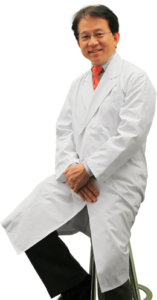
Go Watanabe, Norihiko Ishikawa & Ryuta Seguchi
NewHeart
#2 · Programme operations · 2025 · isolated mitral valve operations · among 2 with comparable public figures
A cohort focused on complex multisegment Barlow valves.
124/124 initial repairs completed, with no conversion to sternotomy or valve replacement reported. These were selected Barlow cases within a larger robotic programme.
Sources: Outcomes of Barlow mitral valve repaired by robot-assisted keyhole surgery
1 clinical study · methods, results and risks
A cohort focused on complex multisegment Barlow valves.
124 Barlow disease patients in this study
2015–2022 · published 2023
124/124 initial repairs completed, with no conversion to sternotomy or valve replacement reported. These were selected Barlow cases within a larger robotic programme.
Results: Freedom from reoperation/additional intervention 99.2% over reported follow-up; postoperative stroke 1/124. This is not a 10-year recurrent-leakage endpoint.
Follow-up: Reported as 36 ± 21 months; the paper calls this “median” despite that notation. Six-month echo available in 116/124.
Study context: Programme team series; no per-surgeon case allocation. The official institute lists Watanabe, Ishikawa and Seguchi. Early one-week MR counts conflict between abstract and body, so they are omitted here. Zero reported conversions does not mean zero risk.
Sources: Outcomes of Barlow mitral valve repaired by robot-assisted keyhole surgery
Specialist expertiseMitral repair
Alfredo Trento
Cedars-Sinai team
1,000+robotic mitral repairsProgramme operations
Cumulative as of February 2020; start not specified · published 2020-02-14 · counting date 2020-02-14
Provider-described successful robotic mitral repairs. Historical figure; source date shown.
Matters of the Heart: Joanna Chikwe, MD ↗Durability separated by which leaflet is diseased.
Ten-year freedom from more-than-2+ MR or reintervention: 92.4% for posterior prolapse versus 84.3% for anterior/bileaflet prolapse (competing-risk estimates).
Sources: Durable Robotic Mitral Repair of Degenerative Primary Regurgitation With Long-Term Follow-Up
10,000+ All cardiac surgeries across conditionsPersonal operations · 1988 – 2020-02-13 · published 2020-02-13
All cardiac surgeries across conditions. Historical figure; source date shown.
Matters of the Heart: Alfredo Trento, MD ↗ · source read 2026-10-08 1 clinical study · methods, results and risks
Durability separated by which leaflet is diseased.
850 degenerative robotic mitral cases in this study
2005–2020 · published 2021/2022
Ten-year freedom from more-than-2+ MR or reintervention: 92.4% for posterior prolapse versus 84.3% for anterior/bileaflet prolapse (competing-risk estimates).
Results: Baseline groups: 582 posterior and 268 anterior/bileaflet. 95% confidence intervals: 85.5–96.7% and 73.9–92.2%, respectively.
Follow-up: Median clinical follow-up 5.5 years; median echo follow-up 1.7 years. Not every patient was observed for 10 years.
Study context: Trento performed 788/850 (92.7%) operations; three other surgeons performed 62. Outcomes are pooled, not Trento-only. Selected degenerative robotic cohort excluding calcification, failed transcatheter repair and endocarditis. Historical operator attribution does not establish present booking availability.
Sources: Durable Robotic Mitral Repair of Degenerative Primary Regurgitation With Long-Term Follow-Up
Specialist expertiseMitral repair
Husam H. Balkhy
UChicago Medicine
robotic coronary bypass surgery
Husam Balkhy leads robotic cardiac surgery at UChicago Medicine. His named CABG technique is totally endoscopic beating-heart bypass, including selected multivessel and hybrid procedures.
Sources: Husam H. Balkhy, MD · Robotic off-pump totally endoscopic coronary artery bypass in the current era: report of 544 patients.
Specialist expertiseMitral repair
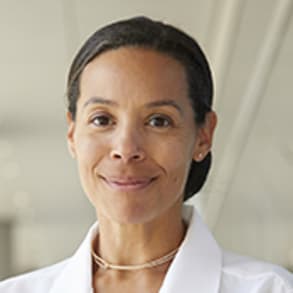
Joanna Chikwe
Cedars-Sinai
robotic mitral repair and Barlow disease
Joanna Chikwe chairs cardiac surgery at Cedars-Sinai’s Smidt Heart Institute. Her coauthored studies distinguish routine degenerative prolapse from complex Barlow disease and follow recurrent leakage as well as repair completion.
Sources: Eliminating the learning curve in robotic mitral valve repair: Results from 1400 patients. · Robotic repair for Barlow mitral regurgitation: Repairability, safety, and durability. · Joanna Chikwe, MD · Joanna Chikwe clinical profile