Coronary bypass surgery (CABG): options, teams and recovery
Understand why CABG is recommended—and compare the plan, not just the incision.
Research by Yevhenii Kozlov · Co-Founder of BookimedUpdated 8 October 2026Sources linked throughout
At a glance
CABG routes blood around narrowed coronary arteries using grafts. It can relieve persistent angina and improve prognosis in selected coronary disease; the number and location of diseased arteries, diabetes and heart function shape the choice.
More than one treatment route
Medicines remain part of care. CABG and coronary stents are alternatives for different patterns of artery disease.
Small-thoracotomy CABG improved the one-month physical-recovery score by 2.9 points versus sternotomy in selected patients; it did not test every bypass patient.
Free Bookimed support. Compare options before deciding.
Benefits and trade-offs
Potential advantages
CABG can bypass several diseased vessels in one operation; guidelines favour it in important groups such as suitable patients with diabetes and multivessel disease.
Recovery is longer than the hospital stay. NHS guidance describes about one week in hospital and two to three months to full recovery; ongoing coronary medicines remain necessary.
Complex multivessel disease, particularly with diabetes, can favour CABG over stents when the patient is suitable for surgery. Left-main disease and reduced pumping function also affect the benefit.
In stable coronary disease, treatment may relieve angina, prevent later events or improve survival in selected groups. Medicines and risk-factor treatment remain part of care after bypass or stenting.
Coronary angiography shows the location and complexity of disease. The most useful comparison is whether each route can provide sufficiently complete treatment.
Pathway
Main benefit
Main limitation
Medicines and risk-factor treatment
Relieve symptoms and reduce cardiovascular risk without an operation
May not control persistent angina or resolve high-risk coronary anatomy
PCI / stent
Opens a narrowed segment through a catheter
Complex multivessel disease may make complete treatment or long-term durability less favourable
CABG / bypass
Creates routes around diseased arteries and can address several vessels
Requires an operation and a longer initial recovery; graft and vessel selection matter
Does a smaller incision change recovery after CABG?
MIST, published in 2026, randomized 170 patients suitable for either multivessel CABG approach at seven centres. At one month, physical-recovery scores favoured small-thoracotomy surgery by 2.9 SF-36 points (95% CI 0.3–5.5). Previous cardiac surgery, haemodynamic compromise and combined procedures were excluded.
No deaths or strokes occurred through 12 months, but this small selected trial cannot establish equal rare-event safety or long-term graft durability. It informs a treatment discussion; it does not rank its investigators as surgeons.
Conventional, off-pump and minimally invasive CABG
CABG access and heart support are separate choices. Off-pump means the operation is performed without a heart-lung machine; it does not mean the incision is small. Robot-assisted or small-thoracotomy CABG is available for selected anatomy.
The benefit of any approach depends on completing the required graft plan. Limited exposure or an intraoperative problem can make a change of access necessary.
The angiogram defines the target arteries; echocardiography adds pumping and valve information. Earlier stents, grafts and operations can change the technical plan.
Angiography shows the pattern and complexity of coronary disease.
Echocardiography shows ventricular function and associated valve disease.
Previous operative and stent records identify structures that may need protection.
Compare programmes that offer coronary bypass surgery
Our programme directory identifies services that explicitly describe bypass surgery. Compare the named operating team, experience with cases like yours, support for complex or repeat surgery and the plan if complications occur.
Anadolu Medical Center campus in Gebze, near Istanbul. · Photo source
Complex valve repair and valve-sparing aortic-root surgery
Anadolu in Gebze offers complex valve repair and replacement of an enlarged aortic root while retaining the natural valve. Smaller-incision valve operations and selected robotic mitral or tricuspid procedures are also part of its cardiovascular programme.
Native-valve preservation The programme includes complex valve repairs and valve-sparing aortic-root replacement.
Several access options Selected mitral and tricuspid procedures can use robotic access; minimally invasive valve surgery is also described.
Adult and paediatric scope Haşim Üstünsoy’s institutional profile covers both adult and paediatric cardiovascular surgery.
Procedures and specialists
CABGvalve repair and replacementaortic surgeryminimally invasive valve surgerycomplex valve repairs
Surgical and catheter valve treatment within one heart team
Bumrungrad’s Heart Valve Center offers surgical valve repair/replacement together with TAVI and MitraClip assessment. Imaging, cardiac anaesthesia and rehabilitation are part of the same multidisciplinary service.
Surgery and catheter options The service lists surgical aortic replacement, TAVI, mitral repair/replacement and catheter mitral repair with MitraClip.
Imaging before TAVR Its May 2026 pathway describes echocardiography and CT assessment before multidisciplinary treatment planning.
Named care disciplines The valve team includes surgeons, interventional cardiology, cardiac imaging, anaesthesia and cardiac rehabilitation.
What this means for your choiceSurgical and catheter valve options can be assessed in one service with imaging, anaesthesia and rehabilitation disciplines.
Robotic mitral repair measured by anatomy and durability
Cedars-Sinai’s Smidt programme has studied both an expanding robotic team and the durability of complex Barlow repair. Its evidence distinguishes getting a valve repaired from preventing recurrent leakage years later.
Team experience A 1,410-operation registry involved four surgeons; 1,234 of 1,237 degenerative valves were repaired.
Complex anatomy analysed separately The Barlow analysis covered 111 patients within a 924-patient degenerative-mitral registry.
Five-year Barlow endpoint Survival free from greater-than-moderate leakage was reported at 92%, with an 80.2%–98.1% confidence interval.
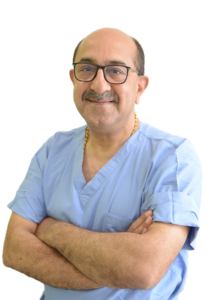
Teknon’s current CABG package names Xavier Ruyra Baliarda and includes preoperative testing and consultations, an individual room and five hospital days. The hospital also describes his team’s beating-heart and blood-conservation techniques.
Advertised medical package The live programme displays $41,411.97 for CABG, preoperative tests, consultations and five inpatient days.
Specific team capabilities Teknon’s official Ruyra profile describes beating-heart coronary surgery, mini extracorporeal circulation and bloodless cardiac surgery.
Medical and travel costs separated Hotel, airfare and transfers are excluded from the displayed package.
What this means for your choiceThe medical package defines preoperative assessment, room type and inpatient days, with hotel, airfare and transfers transparently excluded.
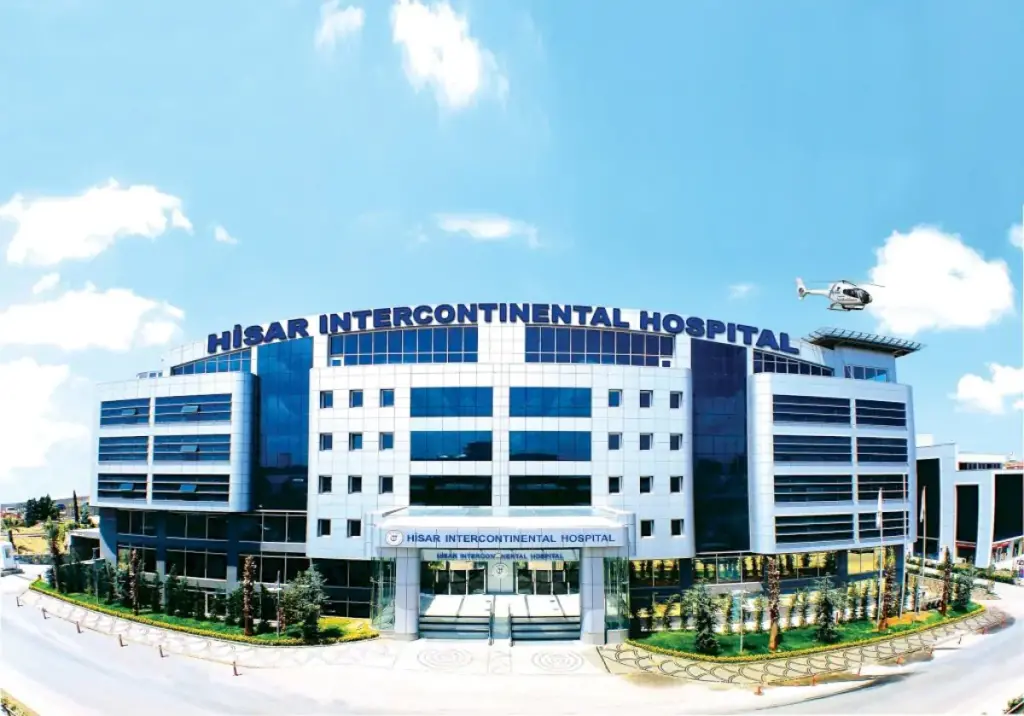
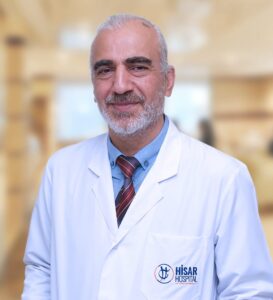
Hisar’s named robotic CABG package is advertised at $20,000 with seven hospital days. Teknon’s named CABG package is $41,411.97 with five hospital days and an individual room. Their access specifications and travel inclusions differ.
The CABG cost guide shows included care and material gaps next to each price. Combined valve surgery, reoperation or a hybrid graft-and-stent plan represent different treatment scopes.
NHS patient guidance describes roughly a week in hospital after CABG, about six weeks to most usual activities and two to three months for full recovery. These are different milestones, not a promised schedule. Rehabilitation, wound care and follow-up should be part of the quote and travel plan.
Explore each specialist’s clinical focus, current programme and the studies relevant to this treatment. The listed roles include cardiac surgeons and, where appropriate, interventional cardiologists.