Why resting and exercise results can differ
Dynamic left-ventricular outflow tract obstruction (LVOTO) changes with loading conditions and contraction. “Latent”, “provocable” and “exercise-induced” obstruction describe a problem that may be absent or less apparent at rest.
The 2024 guideline recommends provocation when the resting gradient is below 50 mmHg; symptomatic patients without a resting or provocable gradient of at least 50 mmHg should have exercise echocardiography to look for dynamic obstruction. These are supervised clinical tests, not instructions to provoke symptoms yourself.
The guideline teaching slides distinguish a gradient of at least 30 mmHg as obstruction from at least 50 mmHg as a general threshold for considering advanced treatment in patients whose symptoms persist despite standard management. A number alone is not an indication for surgery.
Sources: AHA/ACC HCM guidance (2024) · 2024 HCM guideline: official teaching slides
SAM is an anatomical clue, not a separate operation
Systolic anterior motion (SAM) means the mitral valve moves towards the outflow tract during contraction. It can contribute to both obstruction and leakage, but SAM alone does not establish an HCM diagnosis.
Leakage caused by SAM may improve after obstruction is relieved. An independent structural mitral lesion can require a separate repair. Elongated leaflets and abnormal papillary or chordal anatomy can also change the correction needed.
Sources: 2024 HCM guideline: official teaching slides · AHA/ACC HCM guidance (2024)
How anatomy changes the operation
The same septal thickness can coexist with different mechanisms of obstruction. Imaging identifies which structures contribute.
| Finding | Clinical meaning |
|---|
| Obstruction only with exertion | Explains why resting measurements alone may not match limiting symptoms |
|---|
| Basal septal narrowing | Can be targeted by selected muscle removal |
|---|
| Mitral or papillary/chordal abnormalities | May require additional correction rather than muscle removal alone |
|---|
| SAM-related leakage | Can improve when the obstruction mechanism is corrected |
|---|
| Independent valve or coronary disease | May change the operative scope and appropriate access |
|---|
Sources: 2024 HCM guideline: official teaching slides
Where medicines and septal reduction fit
Persistent symptoms despite appropriate initial treatment can lead to consideration of further drug therapy or septal reduction. Surgical myectomy is particularly relevant when another cardiac abnormality also needs surgery. Experienced HCM centres should assess these alternatives with you.
An axillary incision, sternotomy or newer beating-heart approach describes how treatment is delivered. First establish what the operation must correct. The published comparisons below separate access, associated procedures and follow-up.
Sources: AHA/ACC HCM guidance (2024)
Care continues after relief of obstruction
Myectomy addresses obstruction; ongoing HCM follow-up, rhythm and sudden-death risk assessment and family evaluation remain separate parts of care.
Sources: AHA/ACC HCM guidance (2024)
Specialists for this treatment pathway
Explore each specialist’s clinical focus, current programme and the studies relevant to this treatment. The listed roles include cardiac surgeons and, where appropriate, interventional cardiologists.
Compare complete treatment programmes
Hangzhou, China
Yong Cui
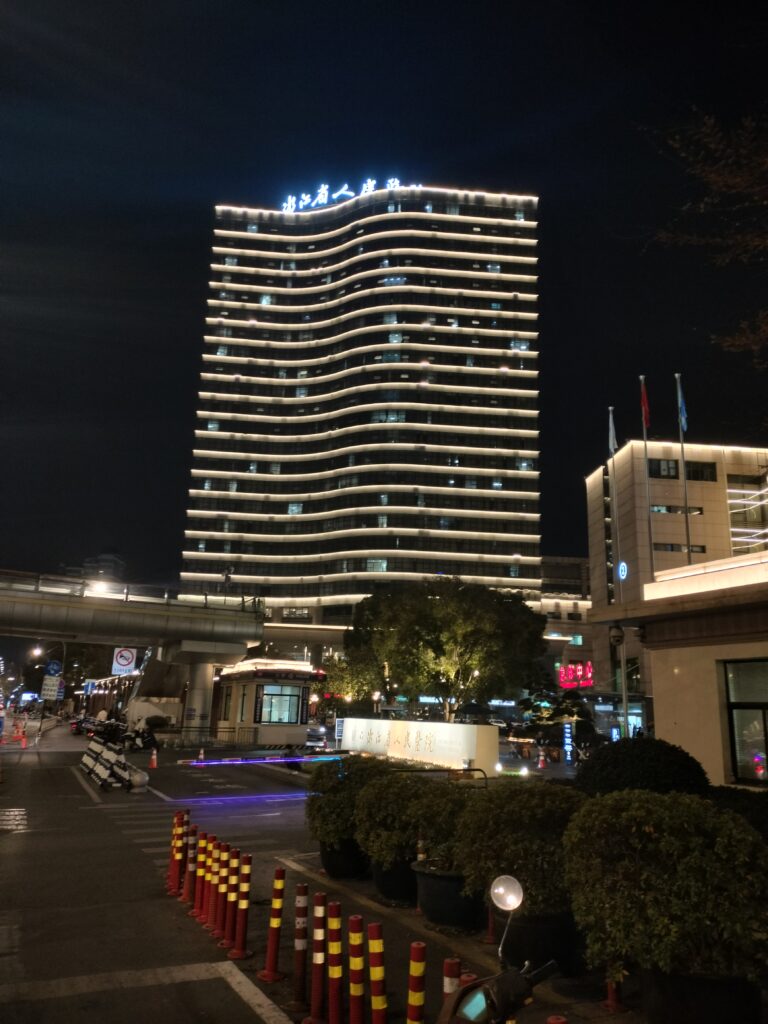
Zhejiang Provincial People’s Hospital
A 4–5 cm underarm incision keeps the breastbone intact: no divided breastbone to heal while you rebuild walking and everyday activity.
$25,000–40,000 estimated cost
USD · estimated programme range · updated 8 October 2026.
Published 100-patient MESM series; separate 132-patient mid-cavity conference report and earlier 148-patient modified-Morrow study.
Cleveland, United States
Nicholas Smedira
Cleveland Clinic HCM Center
Specialist HCM imaging and myectomy that can also correct mitral-leaflet or papillary-muscle causes of obstruction.
Quote on request
Individual estimate after assessment.
A historical series of 1,559 LVOT operations, including 1,530 myectomies and 522 myectomies with mitral or subvalvular intervention.
New York, United States
Daniel Swistel · Joshua Scheinerman
NYU Langone Hypertrophic Cardiomyopathy Program
An HCM team that treats septal and mitral causes of obstruction, with conventional and selected robotic surgical approaches.
Quote on request
Individual estimate after assessment.
NYU reports more than 600 myectomies at programme level. Supporting method evidence includes a historical 77-patient anatomy study and a separate first robotic case report.
Continue your guide
Related heart surgery guides