
NYU HCM team · anatomy and access choices · Decision guide

NYU HCM surgery: mitral-preserving and robotic myectomy programmes

An HCM team that treats septal and mitral causes of obstruction, with conventional and selected robotic surgical approaches.

Research by Yevhenii Kozlov · Co-Founder of BookimedUpdated 8 October 2026Sources linked throughout

At a glance

NYU combines HCM cardiology, imaging, myectomy and mitral-preserving surgery. Daniel Swistel directs the surgical HCM programme; Joshua Scheinerman and Eugene Grossi are associated with its reported robotic trans-mitral operation. The routes have different evidence and recovery considerations. An individual estimate replaces a standard package price.

Muscle and valve anatomy together

Swistel’s mitral-preserving work includes horizontal plication and residual leaflet excision (ReLex) for selected anatomy.

Sources: NYU HCM programme

Two access routes

The standard patient pathway describes transaortic myectomy through sternotomy; a separate team report describes robotic access through the mitral valve.

Sources: NYU myectomy, mitral repair and inpatient pathway · NYU first robotic myectomy clinical case

Recovery has defined stages

NYU describes approximately 24 hours in ICU and 3–5 hospital days for most patients in its conventional pathway.

Sources: NYU myectomy, mitral repair and inpatient pathway

Reported surgical experience

700+ septal myectomies

Personal operations · Cumulative; counting cutoff not stated

Personal experience with septal myectomy; associated mitral leaflet and papillary-muscle anatomy may also be treated.

NYU Langone: Daniel Swistel surgical experience ↗ · source read 2026-10-08
600+ septal myectomies

Programme operations · Cumulative; counting cutoff not stated

NYU programme total; distinct from any one surgeon’s career experience.

NYU HCM programme ↗ · source read 2026-10-08
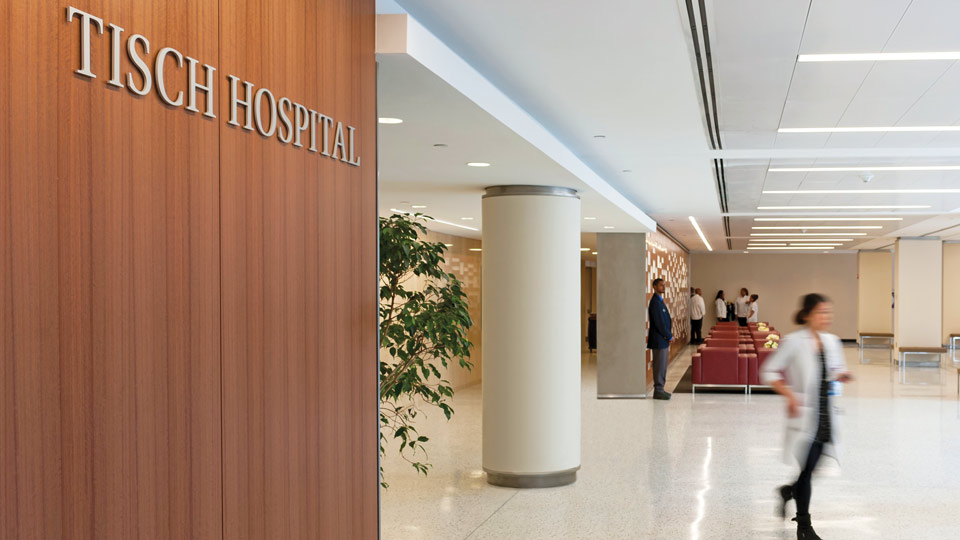
Lobby of Tisch Hospital at NYU Langone Health
Tisch Hospital lobby, NYU Langone Health. · Photo source

New York, United States

Septal myectomy with selected mitral/papillary correction; robotic trans-mitral myectomy available for selected patients

Quote on request

Individual estimate after assessment.

Request an NYU HCM assessment and quote

Daniel Swistel directs HCM surgery; Joshua Scheinerman and Eugene Grossi authored the reported robotic trans-mitral case.

Request an NYU HCM assessment and quote

Named team · complete quote · recovery plan

Who this programme may suit

Obstructive HCM with persistent symptoms despite appropriate treatment, including selected patients with elongated mitral leaflets, systolic anterior motion or abnormal papillary anatomy. The contribution of each structure determines whether myectomy alone or an additional repair is appropriate.

  • ECG and echocardiography assess the heart’s rhythm and structure. Exercise stress echocardiography can reveal dynamic obstruction; MRI can map thickening and scar.
  • The surgical plan separates septal muscle obstruction from leaflet and papillary abnormalities. Medical treatment, conventional surgery and selected robotic access have distinct roles.

Sources: NYU HCM diagnostic pathway · NYU HCM programme · 2024 AHA/ACC multisociety HCM guideline key points

Benefits and trade-offs

Potential advantages

Trade-offs and limits

Price and included care

Quote on request

NYU publishes no standard package total in the inspected programme sources. An estimate is individualized to the surgical route, associated valve work and care needs; travel-service allowances are not published.

HCM cardiology, advanced imaging, surgery, rhythm care and genetic/family services are described by the programme. Conventional postoperative care includes ICU monitoring and Rusk Rehabilitation support.

Care / cost itemPublished care and cost scope
HCM assessmentCardiology and diagnostic imaging establish the anatomy and treatment plan. No fixed-price diagnostic bundle is published.
OperationConventional myectomy, selected mitral/papillary correction or selected robotic trans-mitral surgery; these are different operative scopes.
Hospital recoveryConventional guidance describes about 24 hours in ICU and 3–5 inpatient days for most patients. These are clinical estimates, not paid-night allowances.
Rehabilitation and continuing careRusk Rehabilitation, rhythm care and family/genetic services are described; individual service charges are not published.
Travel and language servicesHotel, transfer, interpreter and companion inclusions are not specified in the clinical programme sources.
Request an NYU HCM assessment and quote

Your route from assessment to follow-up

  1. HCM diagnosis and imagingClinical history, ECG and echo establish the diagnosis and obstruction; selected stress echo, MRI and other studies add detail.

    Sources: NYU HCM diagnostic pathway

  2. Anatomy-specific operationThe team determines whether the septum, mitral leaflet or papillary structures need correction and which access route fits.

    Sources: NYU HCM programme · NYU myectomy, mitral repair and inpatient pathway

  3. Hospital and rehabilitationThe conventional pathway includes ICU monitoring and gradual mobilization with Rusk Rehabilitation.

    Sources: NYU myectomy, mitral repair and inpatient pathway

  4. Longer-term HCM careRhythm-risk assessment, follow-up imaging and family/genetic care continue according to clinical needs.

    Sources: NYU HCM programme · 2024 AHA/ACC multisociety HCM guideline key points

What the research tells you

Programme experience

NYU states that its surgeons have performed more than 600 septal myectomies and describes Swistel’s mitral-preserving techniques.

Programme-reported cumulative figure without a stated time window. It is neither Swistel’s personal annual total nor the number of robotic cases.

Sources: NYU HCM programme
Historical resect-plicate-release evidence

All 77 patients in the historical study underwent myectomy; 50 had anterior leaflet plication and 50 had papillary release. Mean echocardiographic follow-up was 9.5 months.

Swistel-associated team work at Mount Sinai/St Luke’s–Roosevelt, not a contemporary NYU cohort. Different procedures and follow-up from Cui’s MESM study.

Sources: Echocardiography before and after resect-plicate-release surgical myectomy for obstructive hypertrophic cardiomyopathy.

First robotic trans-mitral case

The Scheinerman/Grossi team report describes relief of obstruction after a robotic operation through the mitral valve, followed by leaflet reconstruction and discharge on postoperative day four.

One reported patient; no large robotic cohort, comparative trial or long-term durability estimate is supplied.

Sources: NYU first robotic myectomy clinical case

Recovery: walking, healing and returning home

NYU’s conventional myectomy guidance describes about 24 hours in ICU, careful walking the next day and 3–5 inpatient days for most patients. Rusk Rehabilitation supports gradual activity. The single reported robotic patient went home on postoperative day four; one case is not a typical recovery estimate. Return to work and travel depend on subsequent recovery.

Sources: NYU myectomy, mitral repair and inpatient pathway · NYU first robotic myectomy clinical case

Compare other programmes for this condition

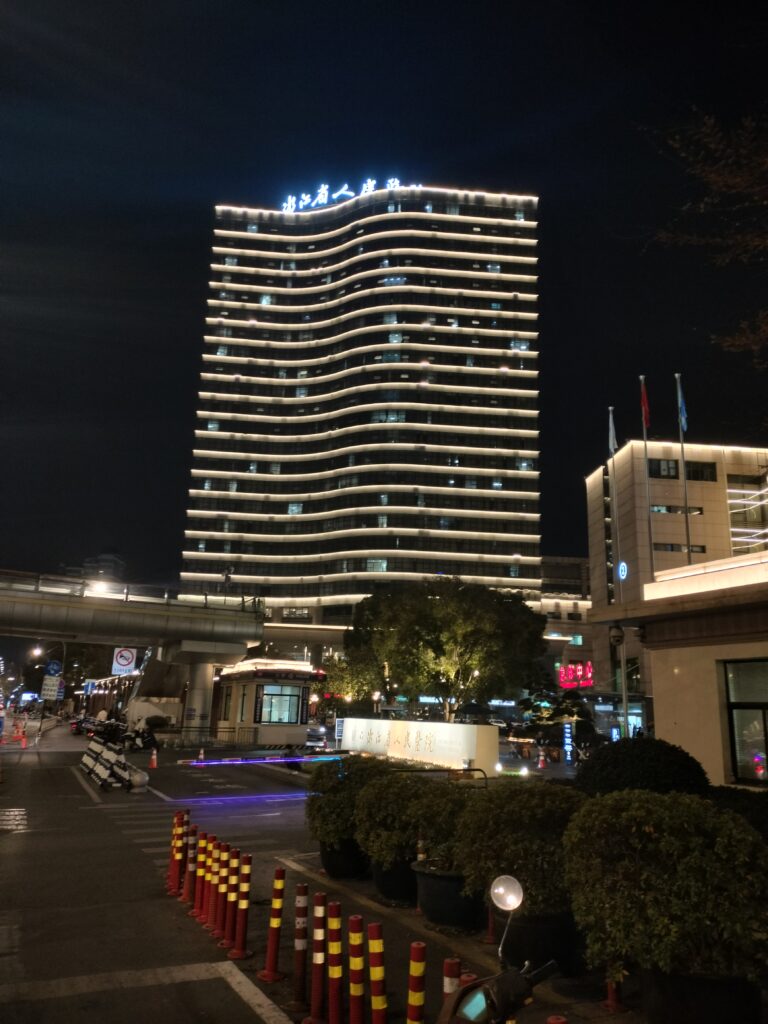
Illuminated Zhejiang Provincial People’s Hospital building at its Zhaohui campus in Hangzhou.Yong Cui — official portrait

Hangzhou, China

Yong Cui · HCM surgery

Yong Cui
Zhejiang Provincial People’s Hospital

A 4–5 cm underarm incision keeps the breastbone intact: no divided breastbone to heal while you rebuild walking and everyday activity.

$25,000–40,000 estimated cost

USD · estimated programme range · updated 8 October 2026.

Published 100-patient MESM series; separate 132-patient mid-cavity conference report and earlier 148-patient modified-Morrow study.

Miller Family Pavilion and autumn trees at Cleveland Clinic’s main campus.Nicholas Smedira — official portrait

Cleveland, United States

Nicholas Smedira · complex HCM surgery

Nicholas Smedira
Cleveland Clinic HCM Center

Specialist HCM imaging and myectomy that can also correct mitral-leaflet or papillary-muscle causes of obstruction.

Quote on request

Individual estimate after assessment.

A historical series of 1,559 LVOT operations, including 1,530 myectomies and 522 myectomies with mitral or subvalvular intervention.

Continue your guide

Related heart surgery guides

Turn information into your next step.

Free Bookimed support. Compare options before deciding.

Request an NYU HCM assessment and quote

Named team · complete quote · recovery plan