| Canada Ottawa
University of Ottawa Heart Institute → Toronto
Peter Munk Cardiac Centre, Toronto General Hospital → | Minimally invasive bypass with recovery and long-term follow-up evidence Total-arterial bypass through a smaller chest incision | Its research provides both a measured early recovery benefit in eligible patients and evidence that later coronary disease still needs attention. Selected multivessel operations combine arterial grafts, a smaller intercostal incision and avoidance of heart–lung support. |
|---|
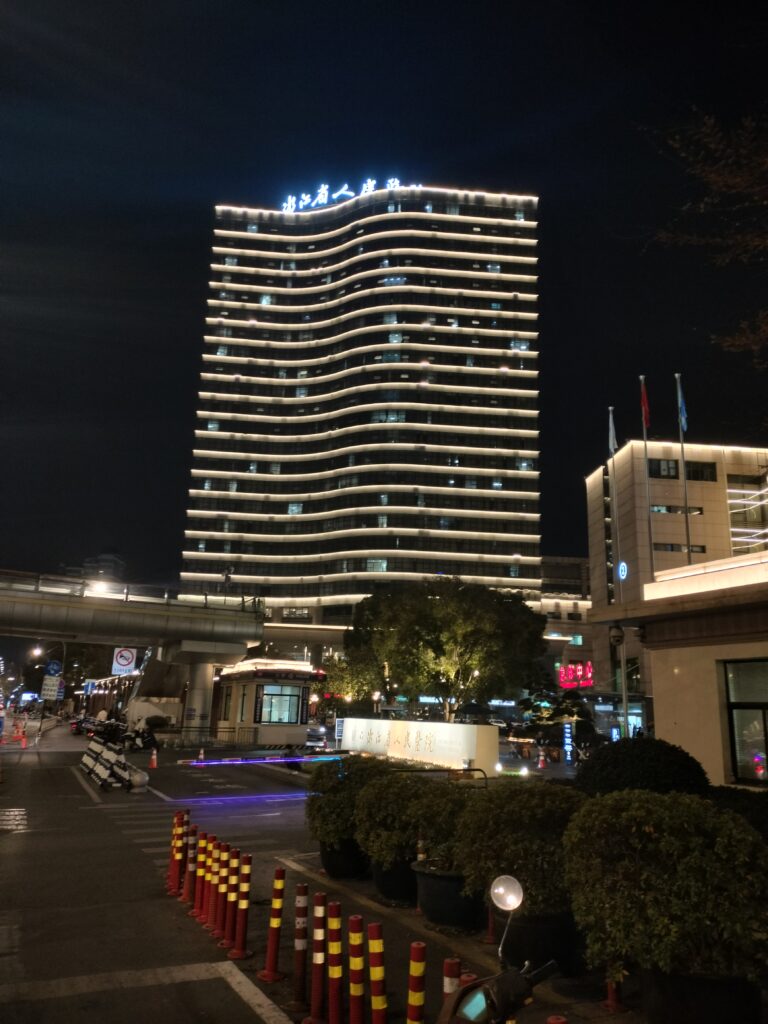
| China Hangzhou
Zhejiang Provincial People’s Hospital → Wuhan
Tongji Hospital Wuhan → | HCM surgery through an underarm incision, with the breastbone preserved Septal myectomy through the apex on a beating heart | The earlier infra-axillary series demonstrates combined septal and subvalvular correction through the same smaller access. The studied transapical approach accesses the septum without cardiopulmonary bypass, while the heart continues beating. |
|---|
| Germany Berlin
German Heart Center of Charité (DHZC) → Bad Oeynhausen
Heart and Diabetes Center NRW → | Robotic valve repair with a structured early-recovery pathway LVAD care that continues after implantation | The ERMICS pathway connects minimally invasive valve surgery with pain control and early mobilisation; suitable patients reach a regular ward on the same day. Continuing VAD support and coordinated outpatient/inpatient care are described parts of the programme, not only the implantation procedure. |
|---|
| India Gurugram
Medanta → | Arterial grafts, beating-heart bypass and robotic access | Named surgeons cover separate CABG choices: arterial grafts and diffuse coronary disease, beating-heart support, and robot-assisted chest access. |
|---|
| Spain Barcelona
Centro Médico Teknon → | CABG with a named team and defined inpatient care | The medical package defines preoperative assessment, room type and inpatient days, with hotel, airfare and transfers transparently excluded. |
|---|
| Turkey Gebze, Kocaeli (Istanbul region)
Anadolu Medical Center → Istanbul
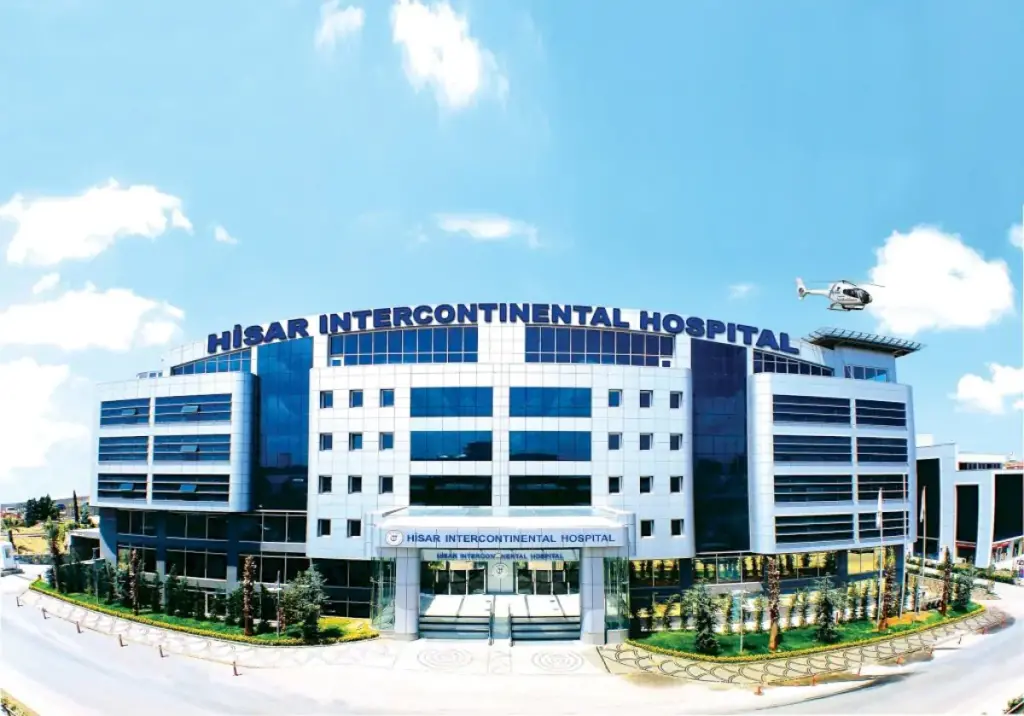
Hisar Hospital Intercontinental → | Complex valve repair and valve-sparing aortic-root surgery Repeat valve surgery and a priced robotic bypass pathway | Complex valve repair and valve-sparing root replacement provide routes to retain suitable native valve tissue. The service combines explicitly listed redo-valve expertise with a named robotic CABG package that includes postoperative monitoring and travel transfers. |
|---|
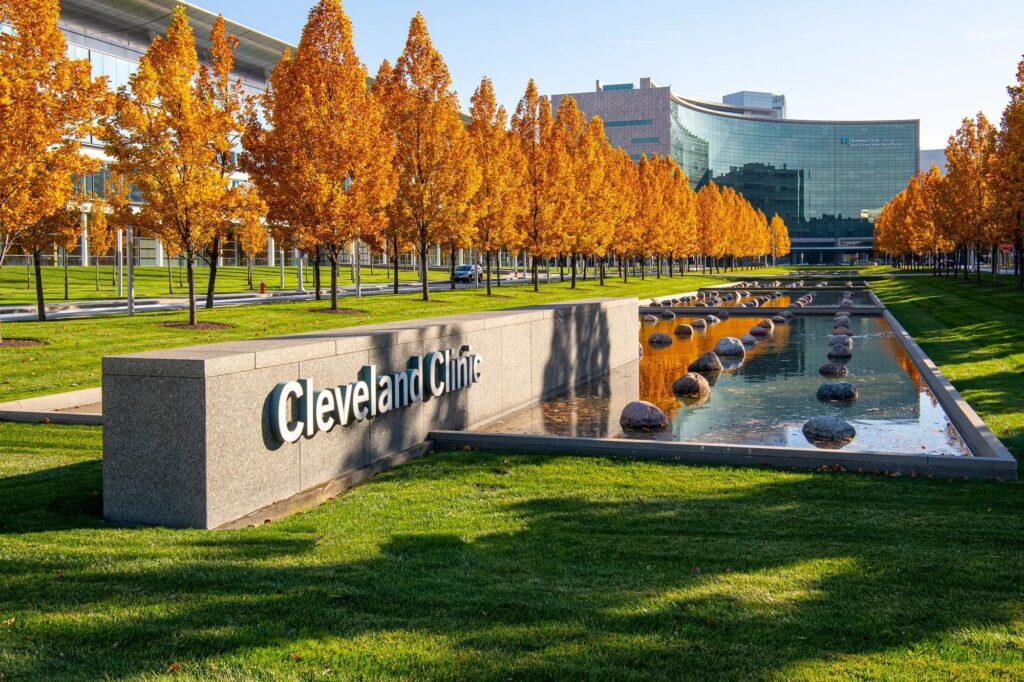
| United States Cleveland, Ohio
Cleveland Clinic → New York
NYU Langone → Rochester, Minnesota
Mayo Clinic Rochester → Chicago
UChicago Medicine → New York
NewYork-Presbyterian / Weill Cornell Medicine → Los Angeles
Cedars-Sinai → Durham, North Carolina
Duke University Hospital → Boston
Boston Children’s Hospital → New York
Columbia / NewYork-Presbyterian Morgan Stanley Children’s Hospital → St. Louis, Missouri
WashU Medicine / Barnes-Jewish Hospital → | Distinct teams for mitral repair, HCM and complex valve reconstruction HCM surgery tailored to the valve apparatus, with emerging robotic access HCM, apical aneurysm and congenital disease with complex anatomy Totally endoscopic CABG, including selected multivessel and hybrid plans Bypass graft selection with ten-year randomized evidence Robotic mitral repair measured by anatomy and durability Aortic reconstruction, transplantation and mechanical support Complex two-ventricle reconstruction with long-term planning Congenital treatment from defect closure to staged reconstruction Maze surgery with long-term rhythm follow-up | Distinct valve, myectomy, catheter and endocarditis specialists support different anatomical problems rather than a single general cardiac-surgery label. The HCM team covers medical and surgical treatment, with anatomy-specific valve-apparatus work and a separately reported robotic route. The programme includes pathways for selected apical aneurysm disease and congenital/reoperative problems beyond routine basal HCM obstruction. Selected patients can receive fully endoscopic beating-heart grafts, including multivessel or hybrid bypass-and-stent treatment. Specific arterial-graft expertise is paired with randomized long-term evidence on radial artery versus vein conduits. Anatomy-specific repair data separate routine prolapse from Barlow disease and include follow-up for recurrent leakage. Aortic disease can be managed across cardiac and vascular disciplines, while a separate service offers transplant and temporary or durable circulatory support. Detailed anatomical modelling and tailored reconstruction create a two-ventricle pathway for selected difficult congenital hearts. The programme spans isolated defect repair, neonatal reconstruction, congenital valve work and transition to adult congenital care. A current surgical AF service is paired with long-term institutional rhythm follow-up that includes patients with previous catheter-ablation failure. |
|---|