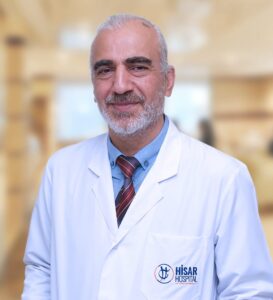
Istanbul · Turkey
cardiac surgeon
Ali Fedakar →
Fedakar’s listed Hisar practice includes aortic surgery and surgery for aortic dissection.
Sources: Prof. Dr. Ali Fedakar, M.D. | Hisar Intercontinental Hospital
Aortic surgery · Decision guide
Understand the difference between root, ascending, arch and descending aortic disease.
Aortic surgery treats a weakened or enlarged artery; the affected segment determines the operation. Root and ascending disease usually require a different pathway from descending disease that may suit an endovascular stent.
Root, ascending, arch and descending disease involve different anatomy and surgical strategies.
Sources: ACC/AHA aortic guidance (2022)
Selected aortic-root operations retain the patient’s valve rather than automatically replacing it.
Sources: ACC/AHA aortic guidance (2022)
Growth, symptoms, body size, bicuspid anatomy and inherited disease also influence treatment timing.
Sources: ACC/AHA aortic guidance (2022)
Free Bookimed support. Compare options before deciding.
Sources: ACC/AHA aortic guidance (2022)
Sources: ACC/AHA aortic guidance (2022)
The aortic root contains the valve area; the ascending aorta and arch involve different structures from the descending thoracic aorta. Associated valve disease can expand the required operation.
Endovascular stent-grafting (TEVAR) is a route for suitable descending thoracic disease. It is not a general replacement for root or ascending-aortic surgery.
Sources: ACC/AHA aortic guidance (2022)
Guidelines distinguish sporadic aneurysms from genetic aortic disease and bicuspid-valve-associated disease. Rapid growth, symptoms, body-size indexing and a planned valve operation can change the decision. A specialist assessment should use the correct disease category.
Serial measurements should be interpreted with their imaging method and dates. An apparent change may need careful comparison of the original studies, not just the numbers in two reports.
Sources: ACC/AHA aortic guidance (2022)
| Anatomy | Relevant strategy | Trade-off |
|---|---|---|
| Aortic root | Root replacement with valve preservation or valve replacement | Native-valve preservation requires suitable valve anatomy and durable reconstruction |
| Ascending aorta or arch | Replacement of the affected segment, sometimes with associated valve work | A larger or staged operation may be needed for more extensive disease |
| Descending thoracic aorta | Endovascular stent-graft when anatomy is suitable, or open repair | Stent-grafts need surveillance and are not suitable for all anatomy |
| Inherited aortic disease | Disease-specific timing and long-term surveillance | The remaining aorta and affected relatives can need continued assessment |
Sources: ACC/AHA aortic guidance (2022)
Sources: ACC/AHA aortic guidance (2022)
Aortic expertise is segment-specific: root reconstruction, arch work, descending repair and reoperation demand different operative strategies. The linked profiles identify which services and methods each programme describes.
Royal Brompton’s sources include root and arch work; other named profiles cover aortic surgery within their broader practice.
Sources: Mr Ulrich Rosendahl | Royal Brompton & Harefield hospitals · Cardiovascular Surgery — Anadolu Medical Center · Prof. Dr. Ali Fedakar, M.D. | Hisar Intercontinental Hospital · Dr. Naresh Trehan | Medanta
Your plan should cover blood-pressure treatment, imaging of the remaining aorta, local follow-up and activity advice. Emergency aortic disease follows an urgent local-care pathway; a planned international consultation is intended for stable, elective decisions.
Sources: ACC/AHA aortic guidance (2022)
Valve-sparing root surgery has its own evidence question: how often does the retained valve leak or need another operation years later? The comparison includes reimplantation and remodeling cohorts, with the anatomy, follow-up and statistical method kept visible.
Sources: A progress report on reimplantation of the aortic valve · Remodeling of the aortic root—a 28-year journey
Explore each specialist’s clinical focus, current programme and the studies relevant to this treatment. The listed roles include cardiac surgeons and, where appropriate, interventional cardiologists.
Istanbul · Turkey
cardiac surgeon
Fedakar’s listed Hisar practice includes aortic surgery and surgery for aortic dissection.
Sources: Prof. Dr. Ali Fedakar, M.D. | Hisar Intercontinental Hospital
Gurugram · India
cardiac surgeon
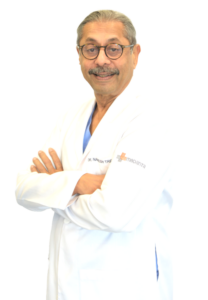
Trehan’s Medanta practice includes aortic aneurysms alongside valve and coronary disease.
London · United Kingdom
cardiac surgeon
Rosendahl’s expertise covers valve-sparing root replacement, arch and thoraco-abdominal surgery, including inherited aortic disease and reoperations.
Sources: Ulrich Rosendahl — clinical expertise and Royal Brompton location
Toronto · Canada
cardiac surgeon
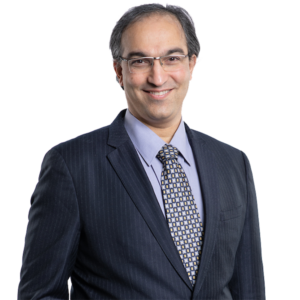
UHN documents Davierwala’s experience in thoracic aortic operations and his programme’s minimally invasive aortic service.
Paris · France
cardiac surgeon
Lansac’s research combines aortic-root remodelling with external support of the valve annulus to retain the natural aortic valve.
Sources: External aortic annuloplasty with a dedicated expansible ring improves outcomes in remodeling root repair compared with homemade Dacron ring. · Dr Emmanuel Lansac
Durham, North Carolina · United States
cardiac surgeon
Hughes’s Duke practice covers valve-sparing root replacement, arch and thoraco-abdominal repair, and thoracic endovascular treatment.
Sources: G. Chad Hughes, MD · Duke Center for Aortic Disease combines cardiothoracic and vascular surgery
Continue your guide
Free Bookimed support. Compare options before deciding.
Free Bookimed support. Compare options before deciding.