Decision guide
colorectal
Colon cancer operations differ in how much bowel and surrounding tissue they remove.
Free Bookimed support. Compare options before deciding.
How surgery works and how approaches differ
Colon cancer operations differ in how much bowel and surrounding tissue they remove. The surgical plan also defines which blood vessels and lymph nodes are included. For right-sided colon cancer, a 2026 position statement supports standard high-quality right hemicolectomy, removal of the right part of the colon, as the default for most patients. Complete mesocolic excision is a more extensive approach involving the tissue around the colon. It can increase the number of lymph nodes removed, but a definite survival advantage has not been established.
For cancer in the middle or lower rectum, total mesorectal excision removes the rectum’s surrounding fatty tissue as part of cancer surgery. A different approach, local removal of the tumour combined with radiotherapy, may preserve the organ in selected patients. The choice concerns both cancer treatment and the effect of treatment on everyday function.
Sources (4)
- Standardization of the definition of the types of oncological colectomy. Delphi method for consensus of experts of the Spanish Association of Surgeons.
- ACPGBI position statement on the role of standard high-quality right hemicolectomy and complete mesocolic excision in right-sided colon cancer.
- Standardization of the surgical technique and reporting for radical right colectomy with central vascular ligation and complete mesocolic excision (RRoC-STAR): Delphi consensus.
- Systematic review and meta-analysis comparing postoperative and oncological outcomes between local excision plus radiotherapy versus total mesorectal excision for rectal cancer.
Methods and what the numbers show
Other methods with evidence
| Method | What it is | What the numbers show |
|---|---|---|
| Contact radiation treatment of a rectal tumour | Contact radiation treatment of a rectal tumour. |
|
| Removal of the colon with its surrounding mesocolon | Removal of the colon with its surrounding mesocolon. |
|
| Removal of visible tumour deposits in the abdomen | Removal of visible tumour deposits in the abdomen. |
|
| Endoscopic bowel tumour removal | Endoscopic bowel tumour removal. |
|
| Heated chemotherapy inside the abdomen (HIPEC) | Heated chemotherapy inside the abdomen (HIPEC). |
|
| Bowel tumour removal through small incisions | Bowel tumour removal through small incisions. |
|
| Anterior rectal resection preserving the anal sphincter | Anterior rectal resection preserving the anal sphincter. |
|
| Removal of lateral pelvic lymph nodes | Removal of lateral pelvic lymph nodes. |
|
| Removal of liver metastases | Removal of liver metastases. |
|
| Local removal of a rectal tumour | Local removal of a rectal tumour. |
|
| Microwave ablation of a tumour | Microwave ablation of a tumour. |
|
| Omitting lateral pelvic lymph node removal | Omitting lateral pelvic lymph node removal. |
|
| Open bowel surgery | Open bowel surgery. |
|
| Partial removal of the tissue around the rectum | Partial removal of the tissue around the rectum. |
|
| Removal of the colon and rectum | Removal of the colon and rectum. |
|
| External radiotherapy | External radiotherapy. |
|
| Radiofrequency ablation of a tumour | Radiofrequency ablation of a tumour. |
|
| Robot-assisted bowel tumour removal | Robot-assisted bowel tumour removal. |
|
| Removal of a section of colon | Removal of a section of colon. |
|
| Laparoscopic bowel surgery through one incision | Laparoscopic bowel surgery through one incision. |
|
| Watch-and-wait monitoring | Watch-and-wait monitoring. |
|
| Drug treatment that acts throughout the body | Drug treatment that acts throughout the body. |
|
| Removal of the rectum and surrounding tissue through the anus (TaTME) | Removal of the rectum and surrounding tissue through the anus (TaTME). |
|
| Endoscopic rectal tumour removal through the anus (TEM/TAMIS) | Endoscopic rectal tumour removal through the anus (TEM/TAMIS). |
|
| Removal of the rectum and its surrounding tissue (TME) | Removal of the rectum and its surrounding tissue (TME). |
|
| Combined drug treatment and radiotherapy before surgery | Combined drug treatment and radiotherapy before surgery. |
|
| Removal of the whole colon | Removal of the whole colon. |
|
When surgery may help and what alternatives to discuss
For right-sided colon cancer, complete mesocolic excision may be considered for physically fit patients with high-risk or anatomically complex disease, rather than for everyone. The 2026 position statement places this surgery in experienced units with appropriate training and quality checks.
For rectal cancer, local tumour removal with radiotherapy is an option to discuss when preserving the rectum is a priority or a larger operation is unsuitable. The patients studied in a 2026 review had disease up to clinical stage T3 and/or a favourable response to treatment before surgery; this is not a general recommendation for every rectal tumour.
Cancer extending beyond the usual rectal surgery planes, or returning in the pelvis, needs an individual assessment by specialists working together. More extensive surgery must balance complete cancer removal against organ function and quality of life. If a transanal approach, operating through the anus, is being considered for a complex case, a 2020 consensus recommends referral to an expert centre for that technique.
Sources (4)
- ACPGBI position statement on the role of standard high-quality right hemicolectomy and complete mesocolic excision in right-sided colon cancer.
- Systematic review and meta-analysis comparing postoperative and oncological outcomes between local excision plus radiotherapy versus total mesorectal excision for rectal cancer.
- [Chinese expert consensus on the pelvic exenteration for primary rectal cancer beyond total mesorectal excision planes and locally recurrent rectal cancer (2023 edition)].
- International expert consensus guidance on indications, implementation and quality measures for transanal total mesorectal excision.
Expected outcomes and limits of the evidence
A 2026 review of 12 randomized trials included 3,107 patients having surgery for colorectal cancer. During the operation, robot-assisted surgery had lower odds of needing a switch to open surgery than conventional keyhole surgery: an odds ratio of 0.42, with a 95% confidence interval of 0.28 to 0.63. This is a relative comparison, not the percentage of patients who needed open surgery. Robot-assisted operations took an average of 23.8 minutes longer, while the postoperative hospital stay was an average of 0.8 days shorter. These are pooled group differences, not a prediction of an individual’s recovery.
A separate 2026 review compared outpatient and inpatient keyhole colorectal surgery across seven studies, involving 1,546 outpatient and 56,279 inpatient patients. It found no statistically significant difference in readmission within 30 days. These findings concern selected patients and do not establish that outpatient surgery is suitable for everyone.
Sources (2)
- Robotic-assisted versus laparoscopic surgery for colorectal resection in oncologic surgery: a systematic review and meta-analysis of randomized controlled trials.
- Safety and feasibility of laparoscopic colorectal resection in ambulatory versus inpatient settings: a systematic review and meta-analysis.
Risks to discuss with your surgeon
Risks studied after keyhole colorectal surgery include leakage at the bowel join, delayed return of bowel movement, wound infection, another operation and death. The 2026 outpatient-versus-inpatient review found no statistically significant differences in reoperation or mortality between the groups; this does not mean those risks were absent.
Rectal surgery can affect urinary and sexual function. A 2021 consensus focuses on preserving a tissue layer near the rectum to help protect these functions. The balance between functional protection and cancer surgery is a useful topic for discussion with the surgeon.
More extensive surgery has additional trade-offs. Complete mesocolic excision can carry increased procedural risk when dissecting around major blood vessels. For advanced or recurrent rectal cancer requiring pelvic exenteration, extensive surgery in the pelvis, a 2023 consensus highlights serious complications, permanent loss of organ function and reduced quality of life.
Sources (4)
- Safety and feasibility of laparoscopic colorectal resection in ambulatory versus inpatient settings: a systematic review and meta-analysis.
- [Chinese consensus on Denonvilliers’ fascia preserving total mesorectal excision (iTME) (2021 version)].
- ACPGBI position statement on the role of standard high-quality right hemicolectomy and complete mesocolic excision in right-sided colon cancer.
- [Chinese expert consensus on the pelvic exenteration for primary rectal cancer beyond total mesorectal excision planes and locally recurrent rectal cancer (2023 edition)].
Recovery and follow-up care
Bowel preparation depends on the operation. Recommendations published in 2023 suggest oral antibiotics alone or a bowel-cleansing preparation plus oral antibiotics before minimally invasive right-colon surgery. They suggest the combined preparation for left-colon and sigmoid surgery, and for right-colon surgery when the bowel join is made inside the abdomen. For minimally invasive rectal surgery, they suggest adding an enema. These are conditional recommendations to discuss with the surgical team, not a preparation regimen to start independently.
Recovery planning includes care after leaving hospital. A 2024 consensus on same-day colectomy includes both hospital monitoring and home monitoring among its quality measures. A plan for going home therefore needs to cover how the team will monitor recovery, not simply a discharge date.
After colorectal cancer surgery intended to cure the cancer, longer-term follow-up includes planning colonoscopy to check the remaining bowel for new cancers. The 2016 surveillance recommendations also address checks for local recurrence after rectal cancer. Discuss the examination schedule and who will arrange it with the treating team.
Sources (4)
- EAES, SAGES, and ESCP rapid guideline: bowel preparation for minimally invasive colorectal resection.
- Quality indicators for ambulatory colectomy: literature search and expert consensus.
- Colonoscopy Surveillance after Colorectal Cancer Resection: Recommendations of the US Multi-Society Task Force on Colorectal Cancer.
- Colonoscopy Surveillance After Colorectal Cancer Resection: Recommendations of the US Multi-Society Task Force on Colorectal Cancer.
Explore surgery and care teams
- Colectomy (large bowel resection)
- Removal of colon cancer
- Rectal resection
- Colorectal surgery surgeons
- Colectomy (large bowel resection) surgeons
- Removal of colon cancer surgeons
- Rectal resection surgeons
- Colorectal surgery clinics
- Colectomy (large bowel resection) clinics
- Removal of colon cancer clinics
- Rectal resection clinics
Specialists and their operations
Israel · 7 entries
| Specialist | Clinic | Operations and experience | Ask about treatment |
|---|---|---|---|
 Joseph Klauzner | Sourasky Medical Center (Ichilov) Tel Aviv, Israel | Removal of liver cancer; Removal of colon cancer; Prostatectomy; Stomach cancer surgery; Da Vinci Robotic System; Small intestine resection; Hyperthermic Intraperitoneal Chemotherapy (HIPEC); Whipple surgery; Colectomy (large bowel resection); Liver resection; Rectal resection; Gastroectomy; Pancreatic cancer surgery In practice since 1984 | Ask about treatment |
 Ron Greenberg | Sourasky Medical Center (Ichilov) Tel Aviv, Israel | Removal of liver cancer; Removal of colon cancer; Stomach cancer surgery; Esophagectomy; Small intestine resection; Hyperthermic Intraperitoneal Chemotherapy (HIPEC); Whipple surgery; Colectomy (large bowel resection); Liver resection; Rectal resection; Gastroectomy In practice since 1991 | Ask about treatment |
 Gideon Goldman | Sourasky Medical Center (Ichilov) Tel Aviv, Israel | Small intestine resection; Colectomy (large bowel resection) In practice since 1984 | Ask about treatment |
 Hagit Tulchinsky | Sourasky Medical Center (Ichilov) Tel Aviv, Israel | Small intestine resection; Colectomy (large bowel resection) In practice since 1991 | Ask about treatment |
 Igor Suhotnik | Sourasky Medical Center (Ichilov) Tel Aviv, Israel | Small intestine resection; Colectomy (large bowel resection); Liver resection; Gastroectomy In practice since 1990 | Ask about treatment |
 Alon Pikarsky | Hadassah Medical Center Jerusalem, Israel | Da Vinci Robotic System; Small intestine resection; Colectomy (large bowel resection); Rectal resection In practice since 1987 | Ask about treatment |
 Almog Ben Yaacov | Sheba Medical Center Ramat Gan, Israel | Removal of liver cancer; Removal of colon cancer; Stomach cancer surgery; Da Vinci Robotic System; Esophagectomy; Small intestine resection; Hyperthermic Intraperitoneal Chemotherapy (HIPEC); Whipple surgery; Magnetic Resonance-guided Focused Ultrasound Surgery (MRgFUS); Colectomy (large bowel resection); Liver resection; Gastroectomy; Pancreatic cancer surgery In practice since 2006 | Ask about treatment |
Czech Republic · 1 entries
| Specialist | Clinic | Operations and experience | Ask about treatment |
|---|---|---|---|
 Jaroslav Tvaruzek | Robotic Surgery Center in St. Zdislava Hospital Velke Mezirici, Czech Republic | Thyroid resection; Removal of liver cancer; Removal of colon cancer; Nephrectomy; Stomach cancer surgery; Da Vinci Robotic System; Esophagectomy; Small intestine resection; Robotic da Vinci prostatectomy; Hysterectomy with DaVinci robot; Colectomy (large bowel resection); Liver resection; Rectal resection; Pancreatic cancer surgery In practice since 1990 | Ask about treatment |
Turkey · 1–12 of 25 entries
| Specialist | Clinic | Operations and experience | Ask about treatment |
|---|---|---|---|
 Mustafa Solak | Hisar Hospital Intercontinental Istanbul, Turkey | Mastectomy; Thyroid resection; Removal of liver cancer; Removal of colon cancer; Prostatectomy; Removal of spinal cord tumor; Melanoma surgery; Nephrectomy; Stomach cancer surgery; Da Vinci Robotic System; Esophagectomy; Small intestine resection; Robotic da Vinci prostatectomy; Transurethral resection of the prostate (TURP); Breast cancer surgery; Hysterectomy (uterus removal); Lumpectomy; Hyperthermic Intraperitoneal Chemotherapy (HIPEC); Whipple surgery; Orchiectomy; Mohs microsurgery; Hysterectomy with DaVinci robot; Lung cancer surgery; Bladder removal; Colectomy (large bowel resection); Liver resection; Removal of meningioma; Rectal resection; Removal of testicle tumor; Throat cancer operation; Tongue cancer surgery; Gastroectomy; Pancreatic cancer surgery; Bladder removal with reconstruction; Laparoscopic Hysterectomy In practice since 2006 | Ask about treatment |
 Sinan Karaaslan | Anadolu Medical Center Istanbul, Turkey | Mastectomy; Stomach cancer surgery; Breast cancer surgery; Colectomy (large bowel resection); Rectal resection; Pancreatic cancer surgery In practice since 1997 | Ask about treatment |
 Bulent Karagoz | Anadolu Medical Center Istanbul, Turkey | Mastectomy; Melanoma surgery; Stomach cancer surgery; Breast cancer surgery; Whipple surgery; Lung cancer surgery; Colectomy (large bowel resection); Rectal resection; Throat cancer operation In practice since 1993 | Ask about treatment |
 Pekize Eker Balcioglu | Hisar Hospital Intercontinental Istanbul, Turkey | Nephrectomy; Small intestine resection; Hysterectomy (uterus removal); Lumpectomy; Colectomy (large bowel resection); Liver resection; Rectal resection; Gastroectomy In practice since 2002 | Ask about treatment |
 Cengiz Dibekoglu | Istanbul Florence Nightingale Hospital Istanbul, Turkey | Breast cancer surgery; Lumpectomy; Colectomy (large bowel resection); Rectal resection; Gastroectomy In practice since 1991 | Ask about treatment |
 Halil Alis | Valued Med Hub Hospitals Istanbul, Turkey | Small intestine resection; Hysterectomy (uterus removal); Lumpectomy; Whipple surgery; Lung cancer surgery; Colectomy (large bowel resection); Liver resection; Gastroectomy In practice since 1992 | Ask about treatment |
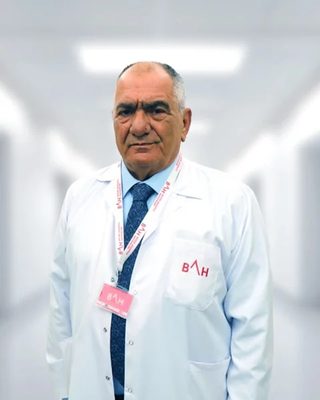 Turgut Camkiran | Büyük Anadolu Hospitals (BAH International) Istanbul, Turkey | Small intestine resection; Breast cancer surgery; Whipple surgery; Colectomy (large bowel resection); Gastroectomy; Pancreatic cancer surgery In practice since 1978 | Ask about treatment |
 Erol Kilic | Büyük Anadolu Hospitals (BAH International) Istanbul, Turkey | Small intestine resection; Breast cancer surgery; Whipple surgery; Colectomy (large bowel resection); Gastroectomy; Pancreatic cancer surgery In practice since 2009 | Ask about treatment |
 Kadir Dicle | Büyük Anadolu Hospitals (BAH International) Istanbul, Turkey | Small intestine resection; Breast cancer surgery; Whipple surgery; Colectomy (large bowel resection); Gastroectomy; Pancreatic cancer surgery In practice since 2000 | Ask about treatment |
 Levent Akgun Kazak | Büyük Anadolu Hospitals (BAH International) Istanbul, Turkey | Small intestine resection; Breast cancer surgery; Whipple surgery; Colectomy (large bowel resection); Gastroectomy; Pancreatic cancer surgery In practice since 2008 | Ask about treatment |
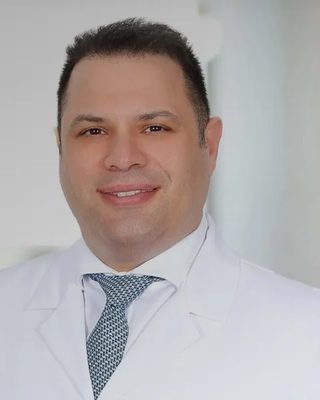 Soykan Barlas | VM Medical Park Florya Hospital Istanbul, Turkey | Small intestine resection; Breast cancer surgery; Lumpectomy; Whipple surgery; Colectomy (large bowel resection); Liver resection; Rectal resection; Gastroectomy; Pancreatic cancer surgery In practice since 2002 | Ask about treatment |
 Yusuf Acikgoz | Lokman Hekim University Ankara Hospital Ankara, Turkey | Mastectomy; Thyroid resection; Removal of liver cancer; Removal of colon cancer; Stomach cancer surgery; Breast cancer surgery; Tongue cancer surgery; Pancreatic cancer surgery; Bladder removal with reconstruction In practice since 2016 | Ask about treatment |
Turkey · 13–24 of 25 entries
| Specialist | Clinic | Operations and experience | Ask about treatment |
|---|---|---|---|
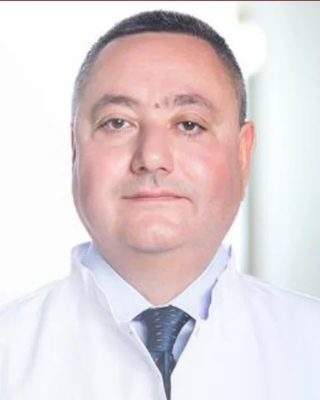 Levent Kaptanoglu | VM Medical Park Pendik Hospital Istanbul, Turkey | Small intestine resection; Breast cancer surgery; Whipple surgery; Colectomy (large bowel resection); Liver resection; Pancreatic cancer surgery In practice since 1992 | Ask about treatment |
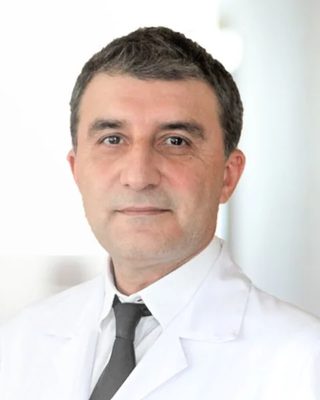 Mehmet Akif Aydin | Medical Park Bahcelievler Hospital Istanbul, Turkey | Small intestine resection; Breast cancer surgery; Whipple surgery; Colectomy (large bowel resection); Throat cancer operation; Gastroectomy; Pancreatic cancer surgery In practice since 1998 | Ask about treatment |
 Selin Kapan | İstinye University Liv Hospital Topkapı Istanbul, Turkey | Esophagectomy; Small intestine resection; Breast cancer surgery; Lumpectomy; Whipple surgery; Orchiectomy; Lung cancer surgery; Colectomy (large bowel resection); Liver resection; Rectal resection; Throat cancer operation; Gastroectomy; Pancreatic cancer surgery In practice since 1995 | Ask about treatment |
 Mehmet Saydam | Lokman Hekim Istanbul Hospital Istanbul, Turkey | Mastectomy; Breast cancer surgery; Rectal resection In practice since 2001 | Ask about treatment |
 Alaettin Celik | Istanbul Florence Nightingale Hospital Istanbul, Turkey | Nephrectomy; Bladder removal; Colectomy (large bowel resection); Rectal resection In practice since 1977 | Ask about treatment |
 Abdulcabbar Kartal | Anadolu Medical Center Istanbul, Turkey | Removal of colon cancer; Stomach cancer surgery; Esophagectomy; Hyperthermic Intraperitoneal Chemotherapy (HIPEC); Whipple surgery; Colectomy (large bowel resection); Liver resection; Rectal resection; Pancreatic cancer surgery In practice since 2007 | Ask about treatment |
 Kivanc Derya Peker | Hisar Hospital Intercontinental Istanbul, Turkey | Thyroid resection; Removal of liver cancer; Removal of colon cancer; Stomach cancer surgery; Hyperthermic Intraperitoneal Chemotherapy (HIPEC); Whipple surgery; Colectomy (large bowel resection); Liver resection; Rectal resection; Pancreatic cancer surgery In practice since 2004 | Ask about treatment |
 Murat Cakar | Valued Med Hub Hospitals Istanbul, Turkey | Small intestine resection; Liver resection; Rectal resection In practice since 2010 | Ask about treatment |
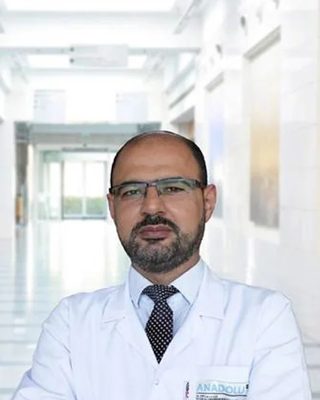 Vafi Atalay | Anadolu Medical Center Istanbul, Turkey | Removal of colon cancer; Stomach cancer surgery; Colectomy (large bowel resection); Rectal resection; Gastroectomy In practice since 2004 | Ask about treatment |
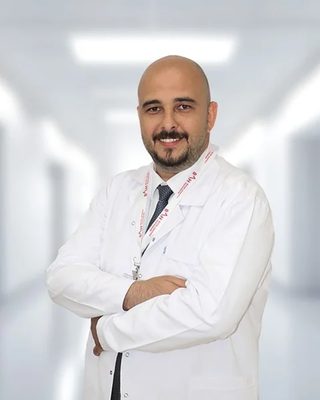 Volkan Kinas | Büyük Anadolu Hospitals (BAH International) Istanbul, Turkey | Esophagectomy; Small intestine resection; Liver resection; Rectal resection In practice since 2015 | Ask about treatment |
 Hanifi Onalan | Atlas University Hospital Istanbul, Turkey | Thyroid resection; Small intestine resection; Colectomy (large bowel resection); Liver resection; Gastroectomy; Pancreatic cancer surgery In practice since 1999 | Ask about treatment |
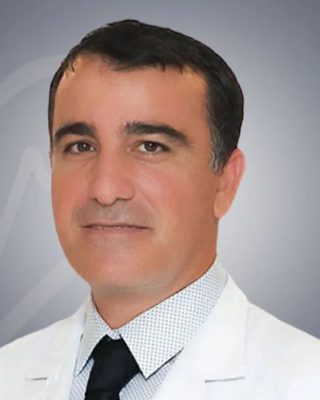 Ibrahim Aliosmanoglu | Medical Park Antalya Hospital Complex Antalya, Turkey | Whipple surgery; Liver resection; Removal of meningioma; Rectal resection; Removal of testicle tumor In practice since 2003 | Ask about treatment |
Turkey · 25–25 of 25 entries
| Specialist | Clinic | Operations and experience | Ask about treatment |
|---|---|---|---|
 Yasir Gozu | Avrupa Cerrahi Proctology Center Istanbul, Turkey | Rectal resection In practice since 2002 | Ask about treatment |
Germany · 6 entries
| Specialist | Clinic | Operations and experience | Ask about treatment |
|---|---|---|---|
 Viola Fox | Medical Center in Solingen Solingen, Germany | Mastectomy; Thyroid resection; Removal of liver cancer; Removal of colon cancer; Prostatectomy; Melanoma surgery; Stomach cancer surgery; Da Vinci Robotic System; Esophagectomy; Small intestine resection; Robotic da Vinci prostatectomy; Breast cancer surgery; Hysterectomy (uterus removal); Hyperthermic Intraperitoneal Chemotherapy (HIPEC); Whipple surgery; Hysterectomy with DaVinci robot; Lung cancer surgery; Colectomy (large bowel resection); Liver resection; Removal of meningioma; Rectal resection; Removal of testicle tumor; Throat cancer operation; Tongue cancer surgery; Gastroectomy; Pancreatic cancer surgery; Bladder removal with reconstruction; Laparoscopic Hysterectomy In practice since 2012 | Ask about treatment |
 Manuela Seifert | Medical Center in Solingen Solingen, Germany | Mastectomy; Removal of colon cancer; Breast cancer surgery; Lumpectomy In practice since 2000 | Ask about treatment |
 Peter Schenker | Medical Center in Solingen Solingen, Germany | Esophagectomy; Small intestine resection; Lumpectomy; Whipple surgery; Mohs microsurgery; Lung cancer surgery; Colectomy (large bowel resection); Liver resection; Rectal resection; Gastroectomy; Pancreatic cancer surgery In practice since 2007 | Ask about treatment |
 Wolfgang Schröder | Helios Gesundheit Wuppertal, Germany | Removal of liver cancer; Removal of colon cancer; Nephrectomy; Stomach cancer surgery; Da Vinci Robotic System; Esophagectomy; Small intestine resection; Breast cancer surgery; Lumpectomy; Hyperthermic Intraperitoneal Chemotherapy (HIPEC); Whipple surgery; Mohs microsurgery; Lung cancer surgery; Colectomy (large bowel resection); Liver resection; Rectal resection; Throat cancer operation; Gastroectomy; Pancreatic cancer surgery In practice since 2001 | Ask about treatment |
 Florian Gebauer Chief Of General And Visceral Surgery | Helios Gesundheit Wuppertal, Germany | Small intestine resection; Whipple surgery; Colectomy (large bowel resection); Liver resection; Rectal resection; Gastroectomy; Pancreatic cancer surgery In practice since 2008 | Ask about treatment |
 Lars Bönicke | Helios Gesundheit Wuppertal, Germany | Removal of liver cancer; Removal of colon cancer; Stomach cancer surgery; Da Vinci Robotic System; Esophagectomy; Small intestine resection; Hyperthermic Intraperitoneal Chemotherapy (HIPEC); Whipple surgery; Orchiectomy; Colectomy (large bowel resection); Liver resection; Rectal resection In practice since 2011 | Ask about treatment |
Austria · 1 entries
| Specialist | Clinic | Operations and experience | Ask about treatment |
|---|---|---|---|
 Thomas Bachleitner-Hofmann | Confraternitaet & Goldenes Kreuz Private Clinic Vienna, Austria | Removal of colon cancer; Small intestine resection; Breast cancer surgery; Hyperthermic Intraperitoneal Chemotherapy (HIPEC); Colectomy (large bowel resection); Rectal resection In practice since 2001 | Ask about treatment |
Spain · 4 entries
| Specialist | Clinic | Operations and experience | Ask about treatment |
|---|---|---|---|
 Xavier Centeno Fornies | Centro Médico Teknon Barcelona, Spain | Nephrectomy; Small intestine resection; Hysterectomy (uterus removal); Lumpectomy; Whipple surgery; Bladder removal; Colectomy (large bowel resection); Liver resection; Rectal resection; Removal of testicle tumor; Throat cancer operation; Gastroectomy; Pancreatic cancer surgery; Bladder removal with reconstruction In practice since 1994 | Ask about treatment |
 Cesar Canales Bedoya | Hospital Ruber Internacional Madrid, Spain | Nephrectomy; Small intestine resection; Lumpectomy; Bladder removal; Colectomy (large bowel resection); Liver resection; Rectal resection; Gastroectomy In practice since 1950 | Ask about treatment |
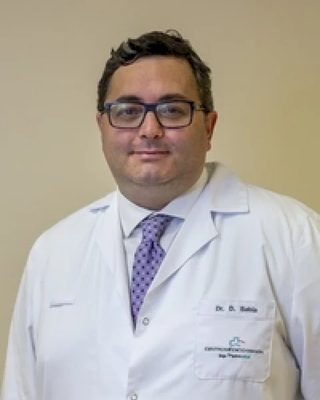 Domenico Sabia | Centro Médico Teknon Barcelona, Spain | Removal of colon cancer; Small intestine resection; Hyperthermic Intraperitoneal Chemotherapy (HIPEC); Colectomy (large bowel resection); Rectal resection In practice since 2002 | Ask about treatment |
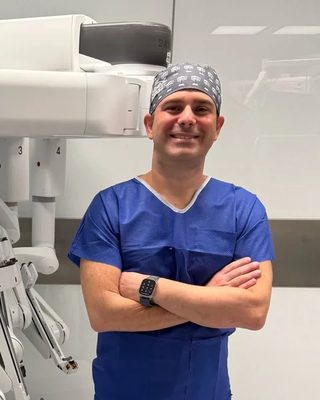 Carlos Garcia Vasquez | Digestive Surgery and Gastroenterology Specialist Centro PAD Madrid, Spain | Removal of liver cancer; Removal of colon cancer; Stomach cancer surgery; Da Vinci Robotic System; Small intestine resection; Hyperthermic Intraperitoneal Chemotherapy (HIPEC); Colectomy (large bowel resection); Liver resection; Rectal resection; Gastroectomy In practice since 2006 | Ask about treatment |
Italy · 1 entries
| Specialist | Clinic | Operations and experience | Ask about treatment |
|---|---|---|---|
 Riccardo Rosati | San Raffaele Milan, Italy | Stomach cancer surgery; Small intestine resection; Colectomy (large bowel resection); Rectal resection; Pancreatic cancer surgery In practice since 1985 | Ask about treatment |
Thailand · 1 entries
| Specialist | Clinic | Operations and experience | Ask about treatment |
|---|---|---|---|
 Doctor Puttapong Serttikul | Intrarat Hospital Bangkok, Thailand | Rectal resection In practice since 2007 | Ask about treatment |
Republic of Korea · 1 entries
| Specialist | Clinic | Operations and experience | Ask about treatment |
|---|---|---|---|
 Park Sundo | NAEUN HOSPITAL Incheon, Republic of Korea | Colectomy (large bowel resection); Removal of meningioma; Pancreatic cancer surgery In practice since 2000 | Ask about treatment |
Sources (47)
- Joseph Klauzner
- Jaroslav Tvaruzek
- Mustafa Solak
- Viola Fox
- Manuela Seifert
- Sinan Karaaslan
- Bulent Karagoz
- Pekize Eker Balcioglu
- Thomas Bachleitner-Hofmann
- Cengiz Dibekoglu
- Halil Alis
- Peter Schenker
- Turgut Camkiran
- Erol Kilic
- Kadir Dicle
- Levent Akgun Kazak
- Soykan Barlas
- Xavier Centeno Fornies
- Yusuf Acikgoz
- Levent Kaptanoglu
- Mehmet Akif Aydin
- Selin Kapan
- Mehmet Saydam
- Cesar Canales Bedoya
- Wolfgang Schröder
- Alaettin Celik
- Ron Greenberg
- Gideon Goldman
- Riccardo Rosati
- Abdulcabbar Kartal
- Hagit Tulchinsky
- Igor Suhotnik
- Domenico Sabia
- Alon Pikarsky
- Kivanc Derya Peker
- Murat Cakar
- Vafi Atalay
- Volkan Kinas
- Hanifi Onalan
- Ibrahim Aliosmanoglu
- Yasir Gozu
- Doctor Puttapong Serttikul
- Carlos Garcia Vasquez
- Almog Ben Yaacov
- Florian Gebauer Chief Of General And Visceral Surgery
- Lars Bönicke
- Park Sundo
Programmes and prices
Robotic Surgery Center in St. Zdislava Hospital · 1 entries
| Public programme | Clinic | Recorded price | Programme details | Request a quote |
|---|---|---|---|---|
| Da Vinci Robotic Colorectal Resection Surgery | Robotic Surgery Center in St. Zdislava Hospital | USD 14032Bookimed offer, Oct 2026 |
What the programme includesDa Vinci Robotic Colorectal Resection Surgery Included: Colonoscopy Included: Removal of colon cancer Included: Individual chamber Included: Transfer airport-clinic-airport Excluded: Airfare Excluded: Hotel Excluded: Additional activities not included Stay: 10 days in the hospital Additional source terms: Single superior chamber with a bathroom, internet and television. 5 meals per day. Drinks are included in the price. Medical concierge service during examinations, consultations and surgeries Source differences
|
Ask about treatment |
Centro Médico Teknon · 4 entries
| Public programme | Clinic | Recorded price | Programme details | Request a quote |
|---|---|---|---|---|
| Rectal Resection with Minimally Invasive Laparoscopic Technique — JCI-Accredited Hospital | Centro Médico Teknon | USD 17942Bookimed offer, Oct 2026 |
What the programme includesRectal Resection with Minimally Invasive Laparoscopic Technique — JCI-Accredited Hospital Included: Rectal resection Included: Preoperative tests Included: Medications Included: Follow-up examination Included: Hospitalization Excluded: Airfare Excluded: Hotel Excluded: Additional activities not included Excluded: Transfer is not included Stay: 5 days in the hospital Stay: 14 days in the hotel Additional source terms: Diagnostics: Not included in the package. Preoperative tests and staging examinations may be required depending on the diagnosis and previous medical records. Possible diagnostics if needed: Colorectal surgery consultation Blood tests and coagulation profile ECG Anesthesiology consultation Colonoscopy, if not yet performed Biopsy / pathology review Pelvic MRI CT scan of chest, abdomen and pelvis PET-CT, if oncological staging is required Also includes: Laparoscopic rectal resection Surgeon’s fee Medical team fees General anesthesia Operating room fee Medications used during hospitalization Consumable materials 5 nights of hospitalization Nursing care during hospital stay Postoperative monitoring Basic postoperative medical control Initial recovery recommendations before discharge Implant: No implant applicable This package is designed for patients who require rectal resection using a minimally invasive laparoscopic approach. The operation is performed through small incisions, which may help reduce surgical trauma, postoperative pain, and recovery time compared with open surgery. The package includes the surgical procedure, general anesthesia, medical team fees, operating room use, medications and consumable materials used during hospitalization, as well as 5 nights in the hospital for postoperative monitoring and recovery. The program is suitable for patients with rectal tumors, selected benign rectal disease, complex polyps, or other conditions where the colorectal surgeon confirms that rectal resection is medically indicated. The final surgical plan depends on the patient’s diagnosis, tumor location if oncological, previous examinations, general health condition, and whether additional treatment such as chemotherapy, radiotherapy, stoma formation, or extended lymph node dissection is required. Additional charges: Diagnostics: Not included in the package. Preoperative tests and staging examinations may be required depending on the diagnosis and previous medical records. Possible diagnostics if needed: Colorectal surgery consultation Blood tests and coagulation profile ECG Anesthesiology consultation Colonoscopy, if not yet performed Biopsy / pathology review Pelvic MRI CT scan of chest, abdomen and pelvis PET-CT, if oncological staging is required Also includes: Laparoscopic rectal resection Surgeon’s fee Medical team fees General anesthesia Operating room fee Medications used during hospitalization Consumable materials 5 nights of hospitalization Nursing care during hospital stay Postoperative monitoring Basic postoperative medical control Initial recovery recommendations before discharge Implant: No implant applicable This package is designed for patients who require rectal resection using a minimally invasive laparoscopic approach. The operation is performed through small incisions, which may help reduce surgical trauma, postoperative pain, and recovery time compared with open surgery. The package includes the surgical procedure, general anesthesia, medical team fees, operating room use, medications and consumable materials used during hospitalization, as well as 5 nights in the hospital for postoperative monitoring and recovery. The program is suitable for patients with rectal tumors, selected benign rectal disease, complex polyps, or other conditions where the colorectal surgeon confirms that rectal resection is medically indicated. The final surgical plan depends on the patient’s diagnosis, tumor location if oncological, previous examinations, general health condition, and whether additional treatment such as chemotherapy, radiotherapy, stoma formation, or extended lymph node dissection is required. Source differences
|
Ask about treatment |
| Rectal surgery, leading specialist Dr.Centeno | Centro Médico Teknon | USD 6728.27Bookimed offer, Oct 2026 |
What the programme includesRectal surgery, leading specialist Dr.Centeno Included: Rectal resection Excluded: Airfare Excluded: Additional activities not included Source differences
|
Ask about treatment |
| Hemorrhoids treatment, leading surgeon Dr. Centeno | Centro Médico Teknon | USD 6728.27Bookimed offer, Oct 2026 |
What the programme includesHemorrhoids treatment, leading surgeon Dr. Centeno Included: Colectomy (large bowel resection) Excluded: Airfare Excluded: Additional activities not included Source differences
|
Ask about treatment |
| Pressurized Intraperitoneal Aerosol Chemotherapy (Minimally Invasive) PIPAC | Centro Médico Teknon | USD 22427.56Bookimed offer, Oct 2026 |
What the programme includesPressurized Intraperitoneal Aerosol Chemotherapy (Minimally Invasive) PIPAC Included: Removal of colon cancer Included: Stomach cancer surgery Included: Pancreatic cancer surgery Excluded: Airfare Excluded: Additional activities not included Stay: 2 days in the hospital Stay: 7 days in the hotel Source differences
|
Ask about treatment |
VM Medical Park Pendik Hospital · 1 entries
| Public programme | Clinic | Recorded price | Programme details | Request a quote |
|---|---|---|---|---|
| Laparoscopic Subtotal Colectomy Package | Expert Care for Complex Gastrointestinal Conditions | VM Medical Park Pendik Hospital | USD 15000Bookimed offer, Oct 2026 |
What the programme includesLaparoscopic Subtotal Colectomy Package | Expert Care for Complex Gastrointestinal Conditions Included: Colectomy (large bowel resection) Included: CT Scan Included: Follow-up examination Included: Consultation with an anesthesiologist Included: Consultation with a gastroenterologist Included: Follow-up visit Included: Full board (breakfast+lunch+dinner+drinks) Included: Hospitalization Included: Transfer airport-hotel-clinic-airport Excluded: Airfare Excluded: Hotel Excluded: Additional activities not included Stay: 7 days in the hospital Additional source terms: Restore Digestive Health with Confidence – Colectomy Surgery Package If you’re facing chronic bowel disease, colon cancer, or complications like diverticulitis, our Colectomy Surgery offers a safe and effective solution to protect your long-term digestive health. This procedure involves the partial or complete removal of the colon, depending on your medical needs, and is performed by expert colorectal surgeons using either open or minimally invasive (laparoscopic) techniques. Our package includes a full pre-operative assessment, imaging (CT/MRI), surgical procedure, 5–7 day hospital stay in a private room, post-operative monitoring, and nutritional care during recovery. From the moment you arrive, you’ll be supported with VIP airport–hotel–hospital transfers and multilingual care coordination, ensuring a smooth and fully guided treatment experience. Take the next step toward relief and recovery—expert surgical care, from diagnosis to healing. |
Ask about treatment |
Büyük Anadolu Hospitals (BAH International) · 1 entries
| Public programme | Clinic | Recorded price | Programme details | Request a quote |
|---|---|---|---|---|
| Robotic Colon Cancer Removal — All-Inclusive Package with 4-Night Hotel Stay | Büyük Anadolu Hospitals (BAH International) | USD 16000Bookimed offer, Oct 2026 |
What the programme includesRobotic Colon Cancer Removal — All-Inclusive Package with 4-Night Hotel Stay Included: Removal of colon cancer Included: Consultation with an oncologist Included: Consultation with an anesthesiologist Included: Complete blood count (CBC) Included: Biochemistry blood test Included: Electrocardiogram (ECG) Included: Chest X-ray Included: Abdominal and pelvic CT Included: PET/CT Included: Ultrasound Included: Follow-up examination Included: Post-operative care Included: 3 meals per day by nutritionist Included: 24-hr nurse services Included: 4* Hotel Included: VIP transfer (premium vehicle service, all transfers between airport, hotel and clinic) Excluded: Airfare Excluded: Additional activities not included Stay: 6 days in the hospital Stay: 4 days in the hotel Additional source terms: Performed by expert colorectal & oncologic surgeons with thousands of successful cases Laparoscopic or open colectomy options for faster recovery and less pain Comprehensive pre-operative evaluation (CT/MRI, bloodwork, anesthesia consultation) Full hospital stay included (5–7 days, private room with companion) Personalized postoperative oncology plan based on pathology Advanced pathology analysis with rapid reporting Dedicated international patient coordinator available 24/7 Affordable price compared to UK/EU without compromising quality Free online consultation + medical second opinion before arrival Airport–hotel–hospital transfers included Source differences
|
Ask about treatment |
VM Medical Park Florya Hospital · 2 entries
| Public programme | Clinic | Recorded price | Programme details | Request a quote |
|---|---|---|---|---|
| .. | VM Medical Park Florya Hospital | USD 15000Bookimed offer, Oct 2026 |
What the programme includes.. Included: Colectomy (large bowel resection) Excluded: Airfare Excluded: Hotel Excluded: Additional activities not included Excluded: Accommodation is not included Excluded: Transfer is not included |
Ask about treatment |
| Resection + anastomosis. | VM Medical Park Florya Hospital | USD 13900Bookimed offer, Oct 2026 |
What the programme includesResection + anastomosis. Included: Removal of colon cancer Excluded: Airfare Excluded: Hotel Excluded: Additional activities not included Excluded: Accommodation is not included Excluded: Transfer is not included |
Ask about treatment |
Anadolu Medical Center · 5 entries
| Public programme | Clinic | Recorded price | Programme details | Request a quote |
|---|---|---|---|---|
| LAPAROSCOPIC LOW ANTERIOR RESECTION WITH THE WAFI PROCEDURE FOR RECTAL AND COLORECTAL CANCER Exclusively performed at Anadolu Medical Center Develope | Anadolu Medical Center | USD 29800Bookimed offer, Oct 2026 |
What the programme includesLAPAROSCOPIC LOW ANTERIOR RESECTION WITH THE WAFI PROCEDURE FOR RECTAL AND COLORECTAL CANCER Exclusively performed at Anadolu Medical Center Develope Included: Rectal resection Included: Colectomy (large bowel resection) Included: Consultation with an anesthesiologist Included: General anesthesia Included: Blood tests Included: Medical Examination for pre-operation Included: Post-op medications Included: Hospitalization Included: Transfer airport-clinic-airport Excluded: Airfare Excluded: Hotel Excluded: Additional activities not included Stay: 15 days in the hospital Additional source terms: THE WAFI PROCEDURE FOR RECTAL AND COLORECTAL CANCER ADVANCED MINIMALLY INVASIVE COLORECTAL SURGERY EXCLUSIVELY AVAILABLE AT Anadolu Medical Center – Developed and performed by Prof. Vafi Atalay About the WAFI Procedure The WAFI Procedure is an innovative surgical concept designed to protect the colorectal anastomosis following surgery for rectal and colorectal cancers. After the diseased portion of the intestine or rectum is removed, intestinal continuity is restored by creating a colorectal anastomosis. To protect this surgical connection during the critical healing phase, the WAFI technique uses a controlled tube-based ileostomy diversion system. This system temporarily diverts intestinal contents away from the anastomosis, helping reduce the risk of complications while maintaining bowel continuity. Unlike conventional diversion techniques that require the creation of a stoma and a second operation for closure, the WAFI system allows temporary diversion through a tube-based mechanism that can be removed once healing is complete. The procedure can be performed using laparoscopic or robot-assisted minimally invasive colorectal surgery, allowing precise oncologic resection while minimizing surgical trauma and supporting faster postoperative recovery. This specialized surgical approach is exclusively performed at Anadolu Medical Center. LAPAROSCOPIC LOW ANTERIOR RESECTION WITH THE WAFI PROCEDURE FOR RECTAL AND COLORECTAL CANCER – by Prof. Vafi Atalay Procedure Includes Low anterior resection WAFI procedure with full diversion tube ileostomy Laparoscopic minimally invasive colorectal surgery Hospital Stay Average 14 days hospitalization (including 1 day intensive care unit stay) Clinical Information Standard pathological examination Postoperative monitoring in the intensive care unit |
Ask about treatment |
| “ROBOTIC LOW ANTERIOR RESECTION WITH THE WAFI PROCEDURE FOR RECTAL AND COLORECTAL CANCER EXCLUSIVELY PERFORMED AT Anadolu Medical Center DEVELOPED AN | Anadolu Medical Center | USD 32600Bookimed offer, Oct 2026 |
What the programme includes“ROBOTIC LOW ANTERIOR RESECTION WITH THE WAFI PROCEDURE FOR RECTAL AND COLORECTAL CANCER EXCLUSIVELY PERFORMED AT Anadolu Medical Center DEVELOPED AN Included: Rectal resection Included: Colectomy (large bowel resection) Included: Da Vinci Robotic System Included: Robotic low anterior resection (LAR) Included: Consultation with an anesthesiologist Included: General anesthesia Included: Medical Examination for pre-operation Included: Post-op medications Included: Blood tests Included: Hospitalization Included: Transfer airport-clinic-airport Excluded: Airfare Excluded: Hotel Excluded: Additional activities not included Stay: 15 days in the hospital Additional source terms: THE WAFI PROCEDURE FOR RECTAL AND COLORECTAL CANCER ADVANCED MINIMALLY INVASIVE COLORECTAL SURGERY EXCLUSIVELY AVAILABLE AT Anadolu Medical Center – Developed and performed by Prof. Vafi Atalay About the WAFI Procedure The WAFI Procedure is an innovative surgical concept designed to protect the colorectal anastomosis following surgery for rectal and colorectal cancers. After the diseased portion of the intestine or rectum is removed, intestinal continuity is restored by creating a colorectal anastomosis. To protect this surgical connection during the critical healing phase, the WAFI technique uses a controlled tube-based ileostomy diversion system. This system temporarily diverts intestinal contents away from the anastomosis, helping reduce the risk of complications while maintaining bowel continuity. Unlike conventional diversion techniques that require the creation of a stoma and a second operation for closure, the WAFI system allows temporary diversion through a tube-based mechanism that can be removed once healing is complete. The procedure can be performed using laparoscopic or robot-assisted minimally invasive colorectal surgery, allowing precise oncologic resection while minimizing surgical trauma and supporting faster postoperative recovery. This specialized surgical approach is exclusively performed at Anadolu Medical Center. ROBOTIC LOW ANTERIOR RESECTION WITH THE WAFI PROCEDURE FOR RECTAL AND COLORECTAL CANCER – by Prof. Vafi Atalay Procedure Includes Low anterior resection WAFI procedure with full diversion tube ileostomy Robot-assisted colorectal surgery Hospital Stay Average 14 days hospitalization (including 1 day intensive care unit stay) Clinical Information Standard pathological examination Postoperative monitoring in the intensive care unit |
Ask about treatment |
| LAPAROSCOPIC ANTERIOR RESECTION WITH WAFI PROCEDURE FOR RECTAL AND COLORECTAL CANCER EXCLUSIVELY PERFORMED AT Anadolu Medical Center DEVELOP | Anadolu Medical Center | USD 38000Bookimed offer, Oct 2026 |
What the programme includesLAPAROSCOPIC ANTERIOR RESECTION WITH WAFI PROCEDURE FOR RECTAL AND COLORECTAL CANCER EXCLUSIVELY PERFORMED AT Anadolu Medical Center DEVELOP Included: Colectomy (large bowel resection) Included: Rectal resection Included: Resection of large intestine Included: Consultation with an anesthesiologist Included: Post-op medications Included: Blood tests Included: General anesthesia Included: Medical Examination for pre-operation Included: Hospitalization Included: Transfer airport-clinic-airport Excluded: Airfare Excluded: Hotel Excluded: Additional activities not included Stay: 13 days in the hospital Additional source terms: THE WAFI PROCEDURE FOR RECTAL AND COLORECTAL CANCER ADVANCED MINIMALLY INVASIVE COLORECTAL SURGERY EXCLUSIVELY AVAILABLE AT Anadolu Medical Center – Developed and performed by Prof. Vafi Atalay About the WAFI Procedure The WAFI Procedure is an innovative surgical concept designed to protect the colorectal anastomosis following surgery for rectal and colorectal cancers. After the diseased portion of the intestine or rectum is removed, intestinal continuity is restored by creating a colorectal anastomosis. To protect this surgical connection during the critical healing phase, the WAFI technique uses a controlled tube-based ileostomy diversion system. This system temporarily diverts intestinal contents away from the anastomosis, helping reduce the risk of complications while maintaining bowel continuity. Unlike conventional diversion techniques that require the creation of a stoma and a second operation for closure, the WAFI system allows temporary diversion through a tube-based mechanism that can be removed once healing is complete. The procedure can be performed using laparoscopic or robot-assisted minimally invasive colorectal surgery, allowing precise oncologic resection while minimizing surgical trauma and supporting faster postoperative recovery. This specialized surgical approach is exclusively performed at Anadolu Medical Center. LAPAROSCOPIC ANTERIOR RESECTION WITH POSSIBLE WAFI PROCEDURE FOR RECTAL AND COLORECTAL CANCER – by Prof. Vafi Atalay Procedure Includes Anterior resection Laparoscopic minimally invasive colorectal surgery Possible WAFI procedure depending on surgical indication Hospital Stay Average 12 days hospitalization (including 1 day intensive care unit stay) Clinical Information Standard pathological examination Postoperative monitoring in the intensive care unit |
Ask about treatment |
| ROBOTIC ANTERIOR RESECTION WITH POSSIBLE WAFI PROCEDURE FOR RECTAL AND COLORECTAL CANCER EXCLUSIVELY PERFORMED AT Anadolu Medical Center DEVELOPED AN | Anadolu Medical Center | USD 33000Bookimed offer, Oct 2026 |
What the programme includesROBOTIC ANTERIOR RESECTION WITH POSSIBLE WAFI PROCEDURE FOR RECTAL AND COLORECTAL CANCER EXCLUSIVELY PERFORMED AT Anadolu Medical Center DEVELOPED AN Included: Colectomy (large bowel resection) Included: Rectal resection Included: Resection of large intestine Included: Robotic low anterior resection (LAR) Included: Da Vinci Robotic System Included: Consultation with an anesthesiologist Included: General anesthesia Included: Blood tests Included: Medical Examination for pre-operation Included: Post-op medications Included: Electrocardiogram (ECG) Included: Hospitalization Included: Transfer airport-clinic-airport Excluded: Airfare Excluded: Hotel Excluded: Additional activities not included Stay: 13 days in the hospital Additional source terms: THE WAFI PROCEDURE FOR RECTAL AND COLORECTAL CANCER ADVANCED MINIMALLY INVASIVE COLORECTAL SURGERY EXCLUSIVELY AVAILABLE AT Anadolu Medical Center – Developed and performed by Prof. Vafi Atalay About the WAFI Procedure The WAFI Procedure is an innovative surgical concept designed to protect the colorectal anastomosis following surgery for rectal and colorectal cancers. After the diseased portion of the intestine or rectum is removed, intestinal continuity is restored by creating a colorectal anastomosis. ROBOTIC ANTERIOR RESECTION WITH POSSIBLE WAFI PROCEDURE FOR RECTAL AND COLORECTAL CANCER – by Prof. Vafi Atalay Procedure Includes Anterior resection Robot-assisted minimally invasive colorectal surgery Possible WAFI procedure depending on surgical indication Hospital Stay Average 12 days hospitalization (including 1 day intensive care unit stay) Clinical Information Standard pathological examination Postoperative monitoring in the intensive care unit To protect this surgical connection during the critical healing phase, the WAFI technique uses a controlled tube-based ileostomy diversion system. This system temporarily diverts intestinal contents away from the anastomosis, helping reduce the risk of complications while maintaining bowel continuity. Unlike conventional diversion techniques that require the creation of a stoma and a second operation for closure, the WAFI system allows temporary diversion through a tube-based mechanism that can be removed once healing is complete. The procedure can be performed using laparoscopic or robot-assisted minimally invasive colorectal surgery, allowing precise oncologic resection while minimizing surgical trauma and supporting faster postoperative recovery. This specialized surgical approach is exclusively performed at Anadolu Medical Center. |
Ask about treatment |
| LAPAROSCOPIC LEFT HEMICOLECTOMY – MINIMALLY INVASIVE SURGERY FOR LEFT-SIDED COLON CANCER | Anadolu Medical Center | USD 20600Bookimed offer, Oct 2026 |
What the programme includesLAPAROSCOPIC LEFT HEMICOLECTOMY – MINIMALLY INVASIVE SURGERY FOR LEFT-SIDED COLON CANCER Included: Hemicolectomy Included: Da Vinci Robotic System Included: Removal of colon cancer Included: Consultation with an anesthesiologist Included: General anesthesia Included: Blood tests Included: Medical Examination for pre-operation Included: Post-op medications Included: Electrocardiogram (ECG) Included: Hospitalization Included: Transfer airport-clinic-airport Excluded: Airfare Excluded: Hotel Excluded: Additional activities not included Stay: 11 days in the hospital Additional source terms: LAPAROSCOPIC LEFT HEMICOLECTOMY – MINIMALLY INVASIVE REMOVAL OF THE LEFT COLON Laparoscopic left hemicolectomy provides an effective minimally invasive treatment option for diseases affecting the left colon. The laparoscopic approach allows surgeons to perform precise colorectal surgery through small incisions while minimizing surgical trauma and supporting faster recovery. PROCEDURE DESCRIPTION Laparoscopic left hemicolectomy is a minimally invasive surgical procedure involving the removal of the left portion of the colon using advanced laparoscopic techniques. Small incisions are used to insert surgical instruments and a camera, allowing surgeons to perform the procedure with high precision. After removal of the affected colon segment, the remaining parts of the intestine are reconnected to restore digestive continuity. WHAT’S INCLUDED The treatment package includes: • Laparoscopic left hemicolectomy surgery • One surgical assistant during the operation • Pre-operative anesthesiology evaluation and routine anesthesia tests • Operating room services and surgical team • All procedure-related surgical materials and medications • Daily physician visits during hospitalization • Approximately 10 days inpatient hospital stay (including 1 day ICU monitoring) • Accommodation for one accompanying person • Standard pathological examination of the surgical specimen |
Ask about treatment |
Navamin 9 Hospital · 2 entries
| Public programme | Clinic | Recorded price | Programme details | Request a quote |
|---|---|---|---|---|
| Colonoscopy | Navamin 9 Hospital | USD 810Bookimed offer, Oct 2026 |
What the programme includesColonoscopy Included: Colonoscopy Included: Colectomy (large bowel resection) Excluded: Airfare Excluded: Additional activities not included Excluded: Accommodation is not included Excluded: Transfer is not included Stay: 1 days in the hospital |
Ask about treatment |
Memorial Göztepe Hospital · 2 entries
| Public programme | Clinic | Recorded price | Programme details | Request a quote |
|---|---|---|---|---|
| Abdominoperineal Resection for Rectal Tumor | Memorial Göztepe Hospital | USD 28120Bookimed offer, Oct 2026 |
What the programme includesAbdominoperineal Resection for Rectal Tumor Included: Rectal resection Included: Transfer airport-hotel-clinic-airport Excluded: Airfare Excluded: Hotel Excluded: Additional activities not included Excluded: Accommodation is not included Stay: 7 days in the hospital |
Ask about treatment |
| Intersphincteric Resection for Rectal Tumors | Memorial Göztepe Hospital | USD 29800Bookimed offer, Oct 2026 |
What the programme includesIntersphincteric Resection for Rectal Tumors Included: Rectal resection Included: Transfer airport-hotel-clinic-airport Excluded: Airfare Excluded: Hotel Excluded: Additional activities not included Excluded: Accommodation is not included Stay: 7 days in the hospital |
Ask about treatment |
Memorial Şişli Hospital · 3 entries
| Public programme | Clinic | Recorded price | Programme details | Request a quote |
|---|---|---|---|---|
| Abdominoperineal Resection for Rectal Tumor | Memorial Şişli Hospital | USD 28120Bookimed offer, Oct 2026 |
What the programme includesAbdominoperineal Resection for Rectal Tumor Included: Rectal resection Included: Transfer airport-hotel-clinic-airport Excluded: Airfare Excluded: Hotel Excluded: Additional activities not included Excluded: Accommodation is not included Stay: 7 days in the hospital |
Ask about treatment |
| Intersphincteric Resection for Rectal Tumors | Memorial Şişli Hospital | USD 29800Bookimed offer, Oct 2026 |
What the programme includesIntersphincteric Resection for Rectal Tumors Included: Rectal resection Included: Transfer airport-hotel-clinic-airport Excluded: Airfare Excluded: Hotel Excluded: Additional activities not included Excluded: Accommodation is not included Stay: 7 days in the hospital |
Ask about treatment |
| Memorial Şişli Hospital | USD 2994Bookimed offer, Oct 2026 |
What the programme includesIncluded: Rectal resection Included: VIP transfer (premium vehicle service, all transfers between airport, hotel and clinic) Excluded: Airfare Excluded: Additional activities not included Excluded: Accommodation is not included Stay: 3 days in the hospital |
Ask about treatment |
Memorial Bahçelievler Hospital · 2 entries
| Public programme | Clinic | Recorded price | Programme details | Request a quote |
|---|---|---|---|---|
| Abdominoperineal Resection for Rectal Tumor | Memorial Bahçelievler Hospital | USD 28120Bookimed offer, Oct 2026 |
What the programme includesAbdominoperineal Resection for Rectal Tumor Included: Rectal resection Included: Transfer airport-hotel-clinic-airport Excluded: Airfare Excluded: Hotel Excluded: Additional activities not included Excluded: Accommodation is not included Stay: 7 days in the hospital |
Ask about treatment |
| Intersphincteric Resection for Rectal Tumors | Memorial Bahçelievler Hospital | USD 29800Bookimed offer, Oct 2026 |
What the programme includesIntersphincteric Resection for Rectal Tumors Included: Rectal resection Included: Transfer airport-hotel-clinic-airport Excluded: Airfare Excluded: Hotel Excluded: Additional activities not included Excluded: Accommodation is not included Stay: 7 days in the hospital |
Ask about treatment |
Memorial Ataşehir Hospital · 2 entries
| Public programme | Clinic | Recorded price | Programme details | Request a quote |
|---|---|---|---|---|
| Abdominoperineal Resection for Rectal Tumor | Memorial Ataşehir Hospital | USD 28120Bookimed offer, Oct 2026 |
What the programme includesAbdominoperineal Resection for Rectal Tumor Included: Rectal resection Included: Transfer airport-hotel-clinic-airport Excluded: Airfare Excluded: Hotel Excluded: Additional activities not included Excluded: Accommodation is not included Stay: 7 days in the hospital |
Ask about treatment |
| Intersphincteric Resection for Rectal Tumors | Memorial Ataşehir Hospital | USD 29800Bookimed offer, Oct 2026 |
What the programme includesIntersphincteric Resection for Rectal Tumors Included: Rectal resection Included: Transfer airport-hotel-clinic-airport Excluded: Airfare Excluded: Hotel Excluded: Additional activities not included Excluded: Accommodation is not included Stay: 7 days in the hospital |
Ask about treatment |
Digestive Surgery and Gastroenterology Specialist Centro PAD · 4 entries
| Public programme | Clinic | Recorded price | Programme details | Request a quote |
|---|---|---|---|---|
| Laparoscopic Sigmoidectomy | Digestive Surgery and Gastroenterology Specialist Centro PAD | USD 10092.4Bookimed offer, Oct 2026 |
What the programme includesLaparoscopic Sigmoidectomy Included: Colectomy (large bowel resection) Excluded: Airfare Excluded: Additional activities not included Excluded: Accommodation is not included Excluded: Transfer is not included Stay: 4 days in the hospital Source differences
|
Ask about treatment |
| Laparoscopic Colectomy with Da Vinci option by request | Digestive Surgery and Gastroenterology Specialist Centro PAD | USD 9261Bookimed offer, Oct 2026 |
What the programme includesLaparoscopic Colectomy with Da Vinci option by request Included: Removal of colon cancer Included: 3 meals per day by nutritionist Included: 24-hr nurse services Included: Consultation with an anesthesiologist Included: Consultation with a surgeon Included: VIP Room Included: Transfer to the clinic Excluded: Airfare Excluded: Additional activities not included Stay: 5 days in the hospital Additional source terms: Your surgeon is always Dr. Carlos Garcia Vasquez: he personally performs every surgery, and the surgeon who assesses you is the surgeon who operates on you. Comprehensive Minimally Invasive Colectomy Care Package This surgical program provides specialized, minimally invasive resection for benign and malignant colorectal conditions. Designed to reduce surgical trauma, minimize pain, and accelerate recovery, our surgical oncology team employs low-impact laparoscopic techniques, with the added option to utilize advanced robotic-assisted technology. What the Package Includes Pre-Surgical Evaluation & Multidisciplinary Assessment: Comprehensive consultation, clinical review, and staging assessment with a specialized colorectal/oncological surgeon. Pre-anesthesia clearance, risk stratification, and personalized preoperative optimization plan. Dedicated surgical coordinator support and patient orientation. Minimally Invasive Surgical Procedure: Low-Impact Laparoscopic Colectomy: Advanced laparoscopic resection (hemicolectomy, sigmoidectomy, or subtotal colectomy as indicated) designed to optimize cosmetic outcomes, reduce tissue trauma, and facilitate early bowel function return. Complete surgical, anesthesia, and circulating nursing team fees. Operating room access, standard laparoscopy tower use, and specialized surgical consumables/stapling devices. Inpatient Stay & Immediate Postoperative Care: Inpatient stay in a private hospital room following Enhanced Recovery After Surgery (ERAS) protocols. Dedicated nursing care, vital signs monitoring, pain management protocols, and routine postoperative lab work. Daily rounds and surgical management by the lead surgical team until clinical discharge. Discharge planning, comprehensive surgical report, and immediate post-discharge follow-up within 30 days (wound check, drain/suture removal, and recovery assessment). Premium Robotic Option (Da Vinci® Surgical System) Robotic-Assisted Colectomy Upgrade: For patients desiring enhanced surgical precision, 3D high-definition visualization, and wristed instrumentation, the procedure can be performed utilizing the Da Vinci® Robotic Surgical System. Note: This upgrade entails an additional equipment and console fee; it can be integrated directly into your personalized package upon request. Exclusions Long-term medical oncology therapies (systemic chemotherapy, targeted therapy, or radiation regimens). Long-term oncological surveillance, follow-up imaging (e.g., outpatient CT/MRI/colonoscopy beyond the 30-day surgical window), and subsequent outpatient oncology visits. Treatment for preexisting unmanaged comorbidities, unanticipated extended ICU stays, or major readmissions beyond the defined surgical scope. Source differences
|
Ask about treatment |
| Robotic Da Vinci Rectal Cancer Surgery (TME) – Premium Package | Digestive Surgery and Gastroenterology Specialist Centro PAD | USD 12629Bookimed offer, Oct 2026 |
What the programme includesRobotic Da Vinci Rectal Cancer Surgery (TME) – Premium Package Included: Rectal resection Included: Da Vinci Robotic System Included: Laparoscopic mesorectumrctonomy Included: 24-hr nurse services Included: Consultation with a surgeon Included: Hospitalization Included: Transfer to the clinic Excluded: Airfare Excluded: Hotel Excluded: Additional activities not included Stay: 5 days in the hospital Additional source terms: Your surgeon is always Dr. Carlos Garcia Vasquez: he personally performs every surgery, and the surgeon who assesses you is the surgeon who operates on you. Robotic Da Vinci surgery for rectal cancer (low anterior resection with total mesorectal excision), performed by Dr. Carlos Garcia Vasquez, colorectal and robotic surgeon with Da Vinci Xi colorectal training, at HLA Moncloa University Hospital, Madrid (recognized among the World’s Best Smart Hospitals 2023 by Newsweek). The package includes pre-operative consultation with the surgeon and anesthesia assessment, the robotic surgery, 5 nights in hospital with 24-hour nursing care, and post-operative surgical follow-up. Hotel–clinic transfer included. Hotel accommodation is not included. Each case is reviewed individually before travel; an online consultation is available in advance. Chemotherapy, radiotherapy and staging tests are not included. Additional charges: Your surgeon is always Dr. Carlos Garcia Vasquez: he personally performs every surgery, and the surgeon who assesses you is the surgeon who operates on you. Robotic Da Vinci surgery for rectal cancer (low anterior resection with total mesorectal excision), performed by Dr. Carlos Garcia Vasquez, colorectal and robotic surgeon with Da Vinci Xi colorectal training, at HLA Moncloa University Hospital, Madrid (recognized among the World’s Best Smart Hospitals 2023 by Newsweek). The package includes pre-operative consultation with the surgeon and anesthesia assessment, the robotic surgery, 5 nights in hospital with 24-hour nursing care, and post-operative surgical follow-up. Hotel–clinic transfer included. Hotel accommodation is not included. Each case is reviewed individually before travel; an online consultation is available in advance. Chemotherapy, radiotherapy and staging tests are not included. Source differences
|
Ask about treatment |
| Laparoscopic Sigmoidectomy (Sigmoid Colon Resection) – Premium Package | Digestive Surgery and Gastroenterology Specialist Centro PAD | USD 9261Bookimed offer, Oct 2026 |
What the programme includesLaparoscopic Sigmoidectomy (Sigmoid Colon Resection) – Premium Package Included: Colectomy (large bowel resection) Included: 24-hr nurse services Included: Blood tests Included: Consultation with an anesthesiologist Included: Consultation with a surgeon Included: Hospitalization Included: Transfer to the clinic Excluded: Airfare Excluded: Hotel Excluded: Additional activities not included Stay: 5 days in the hospital Additional source terms: Your surgeon is always Dr. Carlos Garcia Vasquez: he personally performs every surgery, and the surgeon who assesses you is the surgeon who operates on you. Minimally invasive sigmoidectomy (sigmoid colon resection) for sigmoid cancer, polyps not suitable for endoscopic removal or complicated diverticular disease, performed by Dr. Carlos Garcia Vasquez, colorectal and robotic surgeon, at HLA Moncloa University Hospital, Madrid (recognized among the World’s Best Smart Hospitals 2023 by Newsweek). Laparoscopic approach, with robotic Da Vinci surgery available on request at an additional cost. The package includes pre-operative consultation with the surgeon and anesthesia assessment, the surgery, 5 nights in hospital with 24-hour nursing care, and post-operative surgical follow-up. Hotel–clinic transfer included. Hotel accommodation is not included. Online consultation available before travelling. Additional charges: Your surgeon is always Dr. Carlos Garcia Vasquez: he personally performs every surgery, and the surgeon who assesses you is the surgeon who operates on you. Minimally invasive sigmoidectomy (sigmoid colon resection) for sigmoid cancer, polyps not suitable for endoscopic removal or complicated diverticular disease, performed by Dr. Carlos Garcia Vasquez, colorectal and robotic surgeon, at HLA Moncloa University Hospital, Madrid (recognized among the World’s Best Smart Hospitals 2023 by Newsweek). Laparoscopic approach, with robotic Da Vinci surgery available on request at an additional cost. The package includes pre-operative consultation with the surgeon and anesthesia assessment, the surgery, 5 nights in hospital with 24-hour nursing care, and post-operative surgical follow-up. Hotel–clinic transfer included. Hotel accommodation is not included. Online consultation available before travelling. Source differences
|
Ask about treatment |
Sources (29)
- Da Vinci Robotic Colorectal Resection Surgery
- Rectal Resection with Minimally Invasive Laparoscopic Technique — JCI-Accredited Hospital
- Rectal surgery, leading specialist Dr.Centeno
- Hemorrhoids treatment, leading surgeon Dr. Centeno
- Laparoscopic Subtotal Colectomy Package | Expert Care for Complex Gastrointestinal Conditions
- Robotic Colon Cancer Removal — All-Inclusive Package with 4-Night Hotel Stay
- ..
- Resection + anastomosis.
- Pressurized Intraperitoneal Aerosol Chemotherapy (Minimally Invasive) PIPAC
- LAPAROSCOPIC LOW ANTERIOR RESECTION WITH THE WAFI PROCEDURE FOR RECTAL AND COLORECTAL CANCER Exclusively performed at Anadolu Medical Center Develope
- “ROBOTIC LOW ANTERIOR RESECTION WITH THE WAFI PROCEDURE FOR RECTAL AND COLORECTAL CANCER EXCLUSIVELY PERFORMED AT Anadolu Medical Center DEVELOPED AN
- LAPAROSCOPIC ANTERIOR RESECTION WITH WAFI PROCEDURE FOR RECTAL AND COLORECTAL CANCER EXCLUSIVELY PERFORMED AT Anadolu Medical Center DEVELOP
- ROBOTIC ANTERIOR RESECTION WITH POSSIBLE WAFI PROCEDURE FOR RECTAL AND COLORECTAL CANCER EXCLUSIVELY PERFORMED AT Anadolu Medical Center DEVELOPED AN
- LAPAROSCOPIC LEFT HEMICOLECTOMY – MINIMALLY INVASIVE SURGERY FOR LEFT-SIDED COLON CANCER
- Colonoscopy
- Abdominoperineal Resection for Rectal Tumor
- Intersphincteric Resection for Rectal Tumors
- Abdominoperineal Resection for Rectal Tumor
- Intersphincteric Resection for Rectal Tumors
- Abdominoperineal Resection for Rectal Tumor
- Intersphincteric Resection for Rectal Tumors
- Abdominoperineal Resection for Rectal Tumor
- Intersphincteric Resection for Rectal Tumors
- Colonoscopy
- Laparoscopic Sigmoidectomy
- Laparoscopic Colectomy with Da Vinci option by request
- Robotic Da Vinci Rectal Cancer Surgery (TME) – Premium Package
- Laparoscopic Sigmoidectomy (Sigmoid Colon Resection) – Premium Package
References and further reading
- Colorectal surgery surgeons
- Neoadjuvant chemoradiotherapy with radiation dose escalation with contact x-ray brachytherapy boost or external beam radiotherapy boost for organ preservation in early cT2-cT3 rectal adenocarcinoma (OPERA): a phase 3, randomised controlled trial.
- Long-term outcomes of patients treated with contact X-ray brachytherapy and external beam (chemo)radiotherapy following local excision of rectal adenocarcinoma.
- Minimally invasive complete mesocolic excision versus conventional right hemicolectomy for right-sided colon cancer: a systematic review and meta-analysis.
- Complete mesocolic excision for right hemicolectomy: an updated systematic review and meta-analysis.
- Complete mesocolic excision versus conventional hemicolectomy in patients with right colon cancer: a systematic review and meta-analysis.
- Hyperthermic Intraperitoneal Chemotherapy Combined with Cytoreductive Surgery and Systemic Therapy Improves Prognosis in Colorectal Cancer with Peritoneal Metastases: An Updated Meta-Analysis.
- Endoscopic submucosal dissection versus transanal endoscopic surgery in rectal neoplasms: meta-analysis of randomized controlled trials and trial sequential analysis.
- Long-term Outcomes of Primary Endoscopic Resection vs Surgery for T1 Colorectal Cancer: A Systematic Review and Meta-analysis.
- Effect of hyperthermic intraperitoneal chemotherapy on patients with advanced colorectal cancer: a systematic review and meta-analysis.
- Prophylactic Hyperthermic Intraperitoneal Chemotherapy in Locally Advanced Colorectal Cancer: Systematic Review and Meta-Analysis.
- Robotic versus laparoscopic low anterior resection for rectal cancer: an updated systematic review and meta-analysis.
- Resection quality and oncologic outcomes after robotic versus laparoscopic total mesorectal excision for mid and low rectal cancer: a systematic review and meta-analysis of randomised trials.
- Comparing efficacy and safety of transanal vs. laparoscopic total mesorectal excision for middle and low rectal cancer: Updated meta-analysis.
- A systematic review and meta-analysis of minimally invasive total mesorectal excision versus transanal total mesorectal excision for mid and low rectal cancer.
- Integrated perioperative host-response optimization improves functional recovery and survival after ultra-low anterior resection: A randomized controlled trial.
- Systematic review and meta-analysis of long-term oncological outcomes of lateral lymph node dissection for metastatic nodes after neoadjuvant chemoradiotherapy in rectal cancer.
- Meta-analysis of survival and functional outcomes after total mesorectal excision with or without lateral pelvic lymph node dissection in rectal cancer surgery.
- A Comparison of Five-Year Survival Rates Between Thermal Ablation and Hepatic Resection for Colorectal Cancer Metastasis to the Liver: A Systematic Review and Meta-Analysis.
- The prognosis of radiofrequency ablation versus hepatic resection for patients with colorectal liver metastases: A systematic review and meta-analysis based on 22 studies.
- Repeat hepatectomy justified in patients with early recurrence of colorectal cancer liver metastases: A systematic review and meta-analysis.
- Oncological outcomes of local excision versus radical surgery for early rectal cancer in the context of staging and surveillance: A systematic review and meta-analysis.
- Trans‑anal minimally invasive surgery (TAMIS) versus rigid platforms for local excision of early rectal cancer: a systematic review and meta-analysis of the literature.
- Stereotactic ablative brachytherapy versus percutaneous microwave ablation as salvage treatments for lung oligometastasis from colorectal cancer.
- Comparison of Microwave and Radiofrequency Ablation in the Treatment of Pulmonary Metastasis of Colorectal Cancer.
- Long-term outcomes of ultrasound-guided percutaneous microwave ablation versus resection for colorectal cancer liver metastases: a propensity-score matched study.
- Management of Responsive Lateral Pelvic Nodes After Neoadjuvant Therapy in Rectal Cancer (RESPONDER).
- Laparoscopic versus open surgery for rectal cancer: individual patient data meta-analysis of the ALaCaRT and Z6051 randomized trials.
- Short- and long-term outcomes of minimally invasive vs. open pelvic exenteration in rectal tumours: a focused meta-analysis.
- Robotic versus Laparoscopic Liver Resections for Colorectal Metastases: A Systematic Review and Meta-Analysis.
- Impact of distal resection margin on survival after tumour-specific mesorectal excision for rectal cancer: retrospective cohort study.
- Partial mesorectal excision can be a primary option for middle rectal cancer: a propensity score-matched retrospective analysis.
- Incidental Dysplasia During Total Proctocolectomy With Ileoanal Pouch: Is It Associated With Worse Outcomes?
- Outcome of incidental versus preoperatively diagnosed colorectal cancer during total proctocolectomy with ileal pouch-anal anastomosis for inflammatory bowel disease.
- To Explore the Efficacy and Safety of Neoadjuvant Chemoradiation Therapy in Locally Advanced Colon Cancer: A Systematic Review and Meta-analysis.
- Neoadjuvant short-course radiotherapy with consolidation chemotherapy for locally advanced rectal cancer: a systematic review and meta-analysis.
- Survival of hepatectomy in colorectal cancer patients with ten or more liver metastases: a retrospective cohort study of multidisciplinary treatment.
- KangDuo surgical robot KD-SR-01 versus da Vinci Xi in robot-assisted colorectal cancer resection: oncologic outcomes at three years in a multicenter randomized trial.
- Target trial on the outcomes of laparoscopic compared to robotic-assisted proctectomy in stage II-III rectal cancer.
- Segmental versus extended colectomy for colorectal cancer in patients with lynch syndrome: A systematic review and meta-analysis.
- Comparison of survival outcomes between laparoscopic and open colectomy for transverse colon cancer: a systematic review and meta-analysis.
- Long-term outcomes of single-incision laparoscopic surgery for colorectal cancer, a single-center, open-label, randomized controlled trial.
- Long-term outcomes of single-incision plus one-port laparoscopic surgery versus conventional laparoscopic surgery for rectosigmoid cancer: a randomized controlled trial.
- Short-term Outcomes of Single-port Versus Multiport Laparoscopic Surgery for Colon Cancer: The SIMPLE Multicenter Randomized Clinical Trial.
- Outcomes of Response-Based Watch-and-Wait and Surgical Management After Total Neoadjuvant Therapy for Rectal Cancer: A Systematic Review and Meta-analysis.
- Oncologic outcomes of watch-and-wait strategy or surgery for low to intermediate rectal cancer in clinical complete remission after adjuvant chemotherapy: a systematic review and meta-analysis.
- Whether the watch-and-wait strategy has application value for rectal cancer with clinical complete response after neoadjuvant chemoradiotherapy? A network meta-analysis.
- Total neoadjuvant therapy versus standard neoadjuvant chemoradiotherapy for locally advanced rectal cancer: A systematic review and meta-analysis of long-term outcomes.
- A systematic review and meta-analysis of oncological outcomes with transanal total mesorectal excision for rectal cancer.
- Outcomes of open vs laparoscopic vs robotic vs transanal total mesorectal excision (TME) for rectal cancer: a network meta-analysis.
- Can transanal endoscopic microsurgery effectively treat T1 or T2 rectal cancer?A systematic review and meta-analysis.
- Survival outcomes associated with Lynch syndrome colorectal cancer and metachronous rate after subtotal/total versus segmental colectomy: Meta-analysis.
Request a treatment proposal
Share your diagnosis and reports through the Bookimed request form.
Ask about treatment
Continue your guide
Related oncologic guides
Turn information into your next step.
Free Bookimed support. Compare options before deciding.
Free Bookimed support. Compare options before deciding.