Decision guide
stomach_esophagus
Stomach cancer surgery differs in how much of the stomach is removed and how the digestive tract is reconnected.
Free Bookimed support. Compare options before deciding.
How surgery works and how approaches differ
Stomach cancer surgery differs in how much of the stomach is removed and how the digestive tract is reconnected. Function-preserving treatment aims to remove early cancer completely while keeping as much stomach function as possible. Total gastrectomy removes the whole stomach; surgery for cancer also involves attention to lymph node removal and the new digestive connection.
Esophageal surgery has different reconstruction needs. In an Ivor Lewis esophagectomy, the stomach is shaped into a tube and brought up to reconnect with the remaining esophagus in the chest. The blood supply to this tube and the way the new connection is made are important parts of the operation.
Sources (3)
- [Chinese expert consensus on function-preserving gastrectomy for gastric cancer(2025 edition)].
- An international Delphi consensus for surgical quality assessment of lymphadenectomy and anastomosis in minimally invasive total gastrectomy for gastric cancer.
- Technique of open and minimally invasive intrathoracic reconstruction following esophagectomy-an expert consensus based on a modified Delphi process.
Methods and what the numbers show
Methods at Bookimed clinics
| Method | What it is | What the numbers show |
|---|---|---|
| Removal of the whole stomach | Removal of the whole stomach. Surgeons · Clinics · Programme at Memorial Ataşehir Hospital |
|
Other methods with evidence
| Method | What it is | What the numbers show |
|---|---|---|
| Surgery to remove visible tumour deposits | Surgery to remove visible tumour deposits. |
|
| Tumour removal using an endoscope | Tumour removal using an endoscope. |
|
| Removal of the oesophagus | Removal of the oesophagus. |
|
| Removal of stomach tissue | Removal of stomach tissue. |
|
| Heated chemotherapy inside the abdomen (HIPEC) | Heated chemotherapy inside the abdomen (HIPEC). |
|
| Laparoscopic removal of stomach tissue | Laparoscopic removal of stomach tissue. |
|
| Laparoscopic removal of lymph nodes | Laparoscopic removal of lymph nodes. |
|
| Laparoscopic removal of the whole stomach | Laparoscopic removal of the whole stomach. |
|
| Removal of lymph nodes | Removal of lymph nodes. |
|
| Minimally invasive removal of the oesophagus | Minimally invasive removal of the oesophagus. |
|
| Minimally invasive removal of stomach tissue | Minimally invasive removal of stomach tissue. |
|
| Minimally invasive removal of the whole stomach | Minimally invasive removal of the whole stomach. |
|
| Open removal of the oesophagus | Open removal of the oesophagus. |
|
| Open removal of stomach tissue | Open removal of stomach tissue. |
|
| Open removal of the whole stomach | Open removal of the whole stomach. |
|
| Removal of stomach tissue with surrounding tissue and lymph nodes | Removal of stomach tissue with surrounding tissue and lymph nodes. |
|
| Robot-assisted removal of stomach tissue | Robot-assisted removal of stomach tissue. |
|
| Robot-assisted removal of the whole stomach | Robot-assisted removal of the whole stomach. |
|
| Reconnecting the digestive tract in a Y-shaped arrangement | Reconnecting the digestive tract in a Y-shaped arrangement. |
|
When surgery may help and what alternatives to discuss
For stomach cancer, the tumor’s location and stage help determine how much of the stomach needs to be removed. In early gastric cancer, function-preserving treatment seeks to balance complete cancer removal with a smaller operation and preservation of digestion. Endoscopic removal, performed from inside the digestive tract, is among the approaches considered within this framework; it is not a replacement for surgery in every patient.
For localized esophageal cancer, surgery is part of care involving several treatment specialties. When discussing a team, ask about its training in the planned operation and how it monitors surgical performance. Minimally invasive esophagectomy is technically demanding, and structured training, supervised practice and continued monitoring are central to training for its robotic form.
Sources (5)
- [Chinese expert consensus on prevention and treatment of complications related to digestive tract reconstruction after laparoscopic radical gastrectomy for gastric cancer (2022 edition)].
- [Chinese expert consensus on function-preserving gastrectomy for gastric cancer(2025 edition)].
- [Chinese expert consensus on celiac lymphadenectomy during open/minimally invasive esophagectomy (2023 edition)].
- European consensus on essential steps of Minimally Invasive Ivor Lewis and McKeown Esophagectomy through Delphi methodology.
- Robotic-assisted minimally invasive esophagectomy (RAMIE) for esophageal cancer training curriculum-a worldwide Delphi consensus study.
Expected outcomes and limits of the evidence
In an Irish national-center series published in 2021, 219 patients underwent open esophageal resection with curative intent during 2014–2018, either as surgery alone or as part of combined treatment. Their average age was 67 years and 77% were men. Death within 30 days of surgery was reported in 0.0% of patients, and death within 90 days in 0.9%. These are short-term surgical outcomes, not cancer cure rates. The comparison with national and international surgical datasets did not adjust for differences in patients’ underlying risk, so it cannot establish that open surgery is safer than minimally invasive surgery or predict an individual’s result.
Risks to discuss with your surgeon
After esophagectomy, a leak at the new digestive connection is a serious complication. Assessment can involve clinical signs, blood tests and imaging; treatment options include supportive care, drainage and closing the defect. Lung complications can prolong recovery and contribute to death.
After removal of the upper part of the stomach, loss of the normal barrier to reflux can allow digestive contents to flow back into the esophagus and cause inflammation. Delayed stomach emptying and narrowing at the new connection are also concerns. Reconstruction methods are designed in part to reduce reflux. Complications of reconstruction after stomach cancer surgery can be life-threatening.
Sources (5)
- International Society for Diseases of the Esophagus consensus on the diagnosis and treatment of anastomotic leak after esophagectomy.
- Association of Upper Gastrointestinal Surgery of Great Britain and Ireland (AUGIS)/Perioperative Quality Initiative (POQI) consensus statement on intraoperative and postoperative interventions to reduce pulmonary complications after oesophagectomy.
- [Chinese consensus on digestive tract reconstruction after proximal gastrectomy (2024 edition)].
- [Experts consensus on proximal gastrectomy with jejunal interposition reconstruction (2025 version)].
- [Chinese expert consensus on prevention and treatment of complications related to digestive tract reconstruction after laparoscopic radical gastrectomy for gastric cancer (2022 edition)].
Recovery and follow-up care
Nutrition is part of preparation for stomach cancer surgery: nutritional status before the operation affects complications and cancer-specific survival. After total gastrectomy, routine vitamin B12 supplementation is indicated. Follow-up after function-preserving stomach surgery includes checking nutrition, remaining stomach function, related complications and quality of life.
After esophagectomy, readiness to leave hospital involves more than reaching a particular day. Discharge criteria include meeting nutritional needs with at least liquids by mouth, with supplementary tube feeding if needed; passing gas; breathing without extra oxygen at rest and while moving; and pain control with oral medicines. The team also checks vital signs, improving inflammation tests and removal of central intravenous lines. Feeding plans, pain management and physiotherapy are part of care aimed at reducing lung complications.
After stomach cancer surgery, examination of the removed tissue and lymph nodes helps establish the cancer stage and plan additional treatment.
Sources (5)
- Taiwan nutritional consensus on the nutrition management for gastric cancer patients receiving gastrectomy.
- [Chinese expert consensus on function-preserving gastrectomy for gastric cancer(2025 edition)].
- Fit-for-Discharge Criteria after Esophagectomy: An International Expert Delphi Consensus.
- Association of Upper Gastrointestinal Surgery of Great Britain and Ireland (AUGIS)/Perioperative Quality Initiative (POQI) consensus statement on intraoperative and postoperative interventions to reduce pulmonary complications after oesophagectomy.
- [Chinese experts consensus on standardized surgical management of specimens from radical gastrectomy (2022 edition)].
Explore surgery and care teams
Specialists and their operations
Israel · 6 entries
| Specialist | Clinic | Operations and experience | Ask about treatment |
|---|---|---|---|
 Joseph Klauzner | Sourasky Medical Center (Ichilov) Tel Aviv, Israel | Removal of liver cancer; Removal of colon cancer; Prostatectomy; Stomach cancer surgery; Da Vinci Robotic System; Small intestine resection; Hyperthermic Intraperitoneal Chemotherapy (HIPEC); Whipple surgery; Colectomy (large bowel resection); Liver resection; Rectal resection; Gastroectomy; Pancreatic cancer surgery In practice since 1984 | Ask about treatment |
 Ron Greenberg | Sourasky Medical Center (Ichilov) Tel Aviv, Israel | Removal of liver cancer; Removal of colon cancer; Stomach cancer surgery; Esophagectomy; Small intestine resection; Hyperthermic Intraperitoneal Chemotherapy (HIPEC); Whipple surgery; Colectomy (large bowel resection); Liver resection; Rectal resection; Gastroectomy In practice since 1991 | Ask about treatment |
 Igor Suhotnik | Sourasky Medical Center (Ichilov) Tel Aviv, Israel | Small intestine resection; Colectomy (large bowel resection); Liver resection; Gastroectomy In practice since 1990 | Ask about treatment |
 Almog Ben Yaacov | Sheba Medical Center Ramat Gan, Israel | Removal of liver cancer; Removal of colon cancer; Stomach cancer surgery; Da Vinci Robotic System; Esophagectomy; Small intestine resection; Hyperthermic Intraperitoneal Chemotherapy (HIPEC); Whipple surgery; Magnetic Resonance-guided Focused Ultrasound Surgery (MRgFUS); Colectomy (large bowel resection); Liver resection; Gastroectomy; Pancreatic cancer surgery In practice since 2006 | Ask about treatment |
 boaz Sagi | Sourasky Medical Center (Ichilov) Tel Aviv, Israel | Stomach cancer surgery; Gastroectomy; Pancreatic cancer surgery In practice since 1990 | Ask about treatment |
 Professor Ido Nachmany | Sheba Medical Center Ramat Gan, Israel | Removal of liver cancer; Stomach cancer surgery; Small intestine resection; Whipple surgery; Liver resection; Gastroectomy; Pancreatic cancer surgery In practice since 1998 | Ask about treatment |
Czech Republic · 1 entries
| Specialist | Clinic | Operations and experience | Ask about treatment |
|---|---|---|---|
 Jaroslav Tvaruzek | Robotic Surgery Center in St. Zdislava Hospital Velke Mezirici, Czech Republic | Thyroid resection; Removal of liver cancer; Removal of colon cancer; Nephrectomy; Stomach cancer surgery; Da Vinci Robotic System; Esophagectomy; Small intestine resection; Robotic da Vinci prostatectomy; Hysterectomy with DaVinci robot; Colectomy (large bowel resection); Liver resection; Rectal resection; Pancreatic cancer surgery In practice since 1990 | Ask about treatment |
Turkey · 1–12 of 30 entries
| Specialist | Clinic | Operations and experience | Ask about treatment |
|---|---|---|---|
 Mustafa Solak | Hisar Hospital Intercontinental Istanbul, Turkey | Mastectomy; Thyroid resection; Removal of liver cancer; Removal of colon cancer; Prostatectomy; Removal of spinal cord tumor; Melanoma surgery; Nephrectomy; Stomach cancer surgery; Da Vinci Robotic System; Esophagectomy; Small intestine resection; Robotic da Vinci prostatectomy; Transurethral resection of the prostate (TURP); Breast cancer surgery; Hysterectomy (uterus removal); Lumpectomy; Hyperthermic Intraperitoneal Chemotherapy (HIPEC); Whipple surgery; Orchiectomy; Mohs microsurgery; Hysterectomy with DaVinci robot; Lung cancer surgery; Bladder removal; Colectomy (large bowel resection); Liver resection; Removal of meningioma; Rectal resection; Removal of testicle tumor; Throat cancer operation; Tongue cancer surgery; Gastroectomy; Pancreatic cancer surgery; Bladder removal with reconstruction; Laparoscopic Hysterectomy In practice since 2006 | Ask about treatment |
 Onder Surgit | Optimed International Hospital Tekirdag, Turkey | Prostatectomy; Breast cancer surgery; Whipple surgery; Lung cancer surgery; Gastroectomy In practice since 1995 | Ask about treatment |
 Ayhan Erdemir | Anadolu Medical Center Istanbul, Turkey | Stomach cancer surgery; Breast cancer surgery; Hyperthermic Intraperitoneal Chemotherapy (HIPEC); Whipple surgery In practice since 2003 | Ask about treatment |
 Sinan Karaaslan | Anadolu Medical Center Istanbul, Turkey | Mastectomy; Stomach cancer surgery; Breast cancer surgery; Colectomy (large bowel resection); Rectal resection; Pancreatic cancer surgery In practice since 1997 | Ask about treatment |
 Bulent Karagoz | Anadolu Medical Center Istanbul, Turkey | Mastectomy; Melanoma surgery; Stomach cancer surgery; Breast cancer surgery; Whipple surgery; Lung cancer surgery; Colectomy (large bowel resection); Rectal resection; Throat cancer operation In practice since 1993 | Ask about treatment |
 Pekize Eker Balcioglu | Hisar Hospital Intercontinental Istanbul, Turkey | Nephrectomy; Small intestine resection; Hysterectomy (uterus removal); Lumpectomy; Colectomy (large bowel resection); Liver resection; Rectal resection; Gastroectomy In practice since 2002 | Ask about treatment |
 Cengiz Dibekoglu | Istanbul Florence Nightingale Hospital Istanbul, Turkey | Breast cancer surgery; Lumpectomy; Colectomy (large bowel resection); Rectal resection; Gastroectomy In practice since 1991 | Ask about treatment |
 Halil Alis | Valued Med Hub Hospitals Istanbul, Turkey | Small intestine resection; Hysterectomy (uterus removal); Lumpectomy; Whipple surgery; Lung cancer surgery; Colectomy (large bowel resection); Liver resection; Gastroectomy In practice since 1992 | Ask about treatment |
 Turgut Camkiran | Büyük Anadolu Hospitals (BAH International) Istanbul, Turkey | Small intestine resection; Breast cancer surgery; Whipple surgery; Colectomy (large bowel resection); Gastroectomy; Pancreatic cancer surgery In practice since 1978 | Ask about treatment |
 Muzaffer Al | Büyük Anadolu Hospitals (BAH International) Istanbul, Turkey | Esophagectomy; Small intestine resection; Breast cancer surgery; Lumpectomy; Whipple surgery In practice since 2010 | Ask about treatment |
 Erol Kilic | Büyük Anadolu Hospitals (BAH International) Istanbul, Turkey | Small intestine resection; Breast cancer surgery; Whipple surgery; Colectomy (large bowel resection); Gastroectomy; Pancreatic cancer surgery In practice since 2009 | Ask about treatment |
 Kadir Dicle | Büyük Anadolu Hospitals (BAH International) Istanbul, Turkey | Small intestine resection; Breast cancer surgery; Whipple surgery; Colectomy (large bowel resection); Gastroectomy; Pancreatic cancer surgery In practice since 2000 | Ask about treatment |
Turkey · 13–24 of 30 entries
| Specialist | Clinic | Operations and experience | Ask about treatment |
|---|---|---|---|
 Levent Akgun Kazak | Büyük Anadolu Hospitals (BAH International) Istanbul, Turkey | Small intestine resection; Breast cancer surgery; Whipple surgery; Colectomy (large bowel resection); Gastroectomy; Pancreatic cancer surgery In practice since 2008 | Ask about treatment |
 Soykan Barlas | VM Medical Park Florya Hospital Istanbul, Turkey | Small intestine resection; Breast cancer surgery; Lumpectomy; Whipple surgery; Colectomy (large bowel resection); Liver resection; Rectal resection; Gastroectomy; Pancreatic cancer surgery In practice since 2002 | Ask about treatment |
 Assoc Prof Dr Guner Cakmak | Bookimed Batman, Turkey | Breast cancer surgery; Lumpectomy; Whipple surgery; Lung cancer surgery; Gastroectomy In practice since 1997 | Ask about treatment |
 Yusuf Acikgoz | Lokman Hekim University Ankara Hospital Ankara, Turkey | Mastectomy; Thyroid resection; Removal of liver cancer; Removal of colon cancer; Stomach cancer surgery; Breast cancer surgery; Tongue cancer surgery; Pancreatic cancer surgery; Bladder removal with reconstruction In practice since 2016 | Ask about treatment |
 Mehmet Akif Aydin | Medical Park Bahcelievler Hospital Istanbul, Turkey | Small intestine resection; Breast cancer surgery; Whipple surgery; Colectomy (large bowel resection); Throat cancer operation; Gastroectomy; Pancreatic cancer surgery In practice since 1998 | Ask about treatment |
 Selin Kapan | İstinye University Liv Hospital Topkapı Istanbul, Turkey | Esophagectomy; Small intestine resection; Breast cancer surgery; Lumpectomy; Whipple surgery; Orchiectomy; Lung cancer surgery; Colectomy (large bowel resection); Liver resection; Rectal resection; Throat cancer operation; Gastroectomy; Pancreatic cancer surgery In practice since 1995 | Ask about treatment |
 Abdulcabbar Kartal | Anadolu Medical Center Istanbul, Turkey | Removal of colon cancer; Stomach cancer surgery; Esophagectomy; Hyperthermic Intraperitoneal Chemotherapy (HIPEC); Whipple surgery; Colectomy (large bowel resection); Liver resection; Rectal resection; Pancreatic cancer surgery In practice since 2007 | Ask about treatment |
 Kivanc Derya Peker | Hisar Hospital Intercontinental Istanbul, Turkey | Thyroid resection; Removal of liver cancer; Removal of colon cancer; Stomach cancer surgery; Hyperthermic Intraperitoneal Chemotherapy (HIPEC); Whipple surgery; Colectomy (large bowel resection); Liver resection; Rectal resection; Pancreatic cancer surgery In practice since 2004 | Ask about treatment |
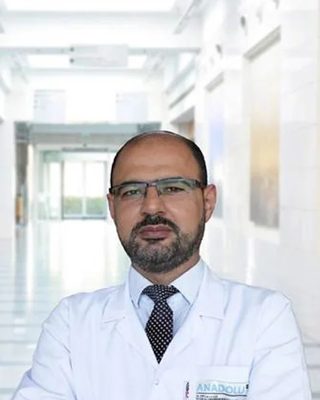 Vafi Atalay | Anadolu Medical Center Istanbul, Turkey | Removal of colon cancer; Stomach cancer surgery; Colectomy (large bowel resection); Rectal resection; Gastroectomy In practice since 2004 | Ask about treatment |
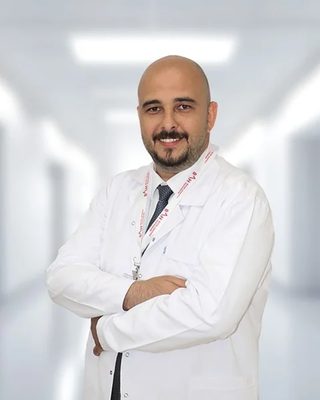 Volkan Kinas | Büyük Anadolu Hospitals (BAH International) Istanbul, Turkey | Esophagectomy; Small intestine resection; Liver resection; Rectal resection In practice since 2015 | Ask about treatment |
 Hanifi Onalan | Atlas University Hospital Istanbul, Turkey | Thyroid resection; Small intestine resection; Colectomy (large bowel resection); Liver resection; Gastroectomy; Pancreatic cancer surgery In practice since 1999 | Ask about treatment |
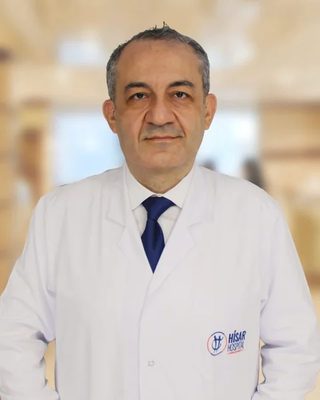 Tarik Akar | Hisar Hospital Intercontinental Istanbul, Turkey | Esophagectomy; Small intestine resection; Gastroectomy In practice since 2004 | Ask about treatment |
Turkey · 25–30 of 30 entries
| Specialist | Clinic | Operations and experience | Ask about treatment |
|---|---|---|---|
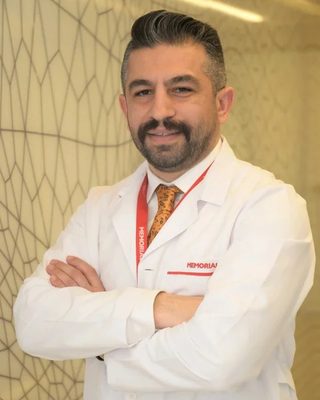 Vahit Mutluu | Memorial Ataşehir Hospital Istanbul, Turkey | Gastroectomy In practice since 2013 | Ask about treatment |
 Yahya Ozel | Estexper Clinic Istanbul, Turkey | Gastroectomy In practice since 1995 | Ask about treatment |
 Samet Yardimci | Professor Dr. Samet Yardımcı Clinic Istanbul, Turkey | Small intestine resection; Whipple surgery; Liver resection; Gastroectomy; Pancreatic cancer surgery In practice since 2003 | Ask about treatment |
 Mehmet Guler | Medical Park Antalya Hospital Complex Antalya, Turkey | Esophagectomy; Small intestine resection; Gastroectomy In practice since 1992 | Ask about treatment |
 Aziz Kemal Emek | Medical Park Antalya Hospital Complex Antalya, Turkey | Esophagectomy; Small intestine resection; Gastroectomy In practice since 1990 | Ask about treatment |
 Sedat Karademir | Anadolu Medical Center Istanbul, Turkey | Whipple surgery; Gastroectomy; Pancreatic cancer surgery In practice since 1988 | Ask about treatment |
Germany · 6 entries
| Specialist | Clinic | Operations and experience | Ask about treatment |
|---|---|---|---|
 Viola Fox | Medical Center in Solingen Solingen, Germany | Mastectomy; Thyroid resection; Removal of liver cancer; Removal of colon cancer; Prostatectomy; Melanoma surgery; Stomach cancer surgery; Da Vinci Robotic System; Esophagectomy; Small intestine resection; Robotic da Vinci prostatectomy; Breast cancer surgery; Hysterectomy (uterus removal); Hyperthermic Intraperitoneal Chemotherapy (HIPEC); Whipple surgery; Hysterectomy with DaVinci robot; Lung cancer surgery; Colectomy (large bowel resection); Liver resection; Removal of meningioma; Rectal resection; Removal of testicle tumor; Throat cancer operation; Tongue cancer surgery; Gastroectomy; Pancreatic cancer surgery; Bladder removal with reconstruction; Laparoscopic Hysterectomy In practice since 2012 | Ask about treatment |
 Peter Schenker | Medical Center in Solingen Solingen, Germany | Esophagectomy; Small intestine resection; Lumpectomy; Whipple surgery; Mohs microsurgery; Lung cancer surgery; Colectomy (large bowel resection); Liver resection; Rectal resection; Gastroectomy; Pancreatic cancer surgery In practice since 2007 | Ask about treatment |
 Wolfgang Schröder | Helios Gesundheit Wuppertal, Germany | Removal of liver cancer; Removal of colon cancer; Nephrectomy; Stomach cancer surgery; Da Vinci Robotic System; Esophagectomy; Small intestine resection; Breast cancer surgery; Lumpectomy; Hyperthermic Intraperitoneal Chemotherapy (HIPEC); Whipple surgery; Mohs microsurgery; Lung cancer surgery; Colectomy (large bowel resection); Liver resection; Rectal resection; Throat cancer operation; Gastroectomy; Pancreatic cancer surgery In practice since 2001 | Ask about treatment |
 Florian Gebauer Chief Of General And Visceral Surgery | Helios Gesundheit Wuppertal, Germany | Small intestine resection; Whipple surgery; Colectomy (large bowel resection); Liver resection; Rectal resection; Gastroectomy; Pancreatic cancer surgery In practice since 2008 | Ask about treatment |
 Lars Bönicke | Helios Gesundheit Wuppertal, Germany | Removal of liver cancer; Removal of colon cancer; Stomach cancer surgery; Da Vinci Robotic System; Esophagectomy; Small intestine resection; Hyperthermic Intraperitoneal Chemotherapy (HIPEC); Whipple surgery; Orchiectomy; Colectomy (large bowel resection); Liver resection; Rectal resection In practice since 2011 | Ask about treatment |
 Boris Pfaffenbach | Medical Center in Solingen Solingen, Germany | Esophagectomy In practice since 1992 | Ask about treatment |
Spain · 3 entries
| Specialist | Clinic | Operations and experience | Ask about treatment |
|---|---|---|---|
 Xavier Centeno Fornies | Centro Médico Teknon Barcelona, Spain | Nephrectomy; Small intestine resection; Hysterectomy (uterus removal); Lumpectomy; Whipple surgery; Bladder removal; Colectomy (large bowel resection); Liver resection; Rectal resection; Removal of testicle tumor; Throat cancer operation; Gastroectomy; Pancreatic cancer surgery; Bladder removal with reconstruction In practice since 1994 | Ask about treatment |
 Cesar Canales Bedoya | Hospital Ruber Internacional Madrid, Spain | Nephrectomy; Small intestine resection; Lumpectomy; Bladder removal; Colectomy (large bowel resection); Liver resection; Rectal resection; Gastroectomy In practice since 1950 | Ask about treatment |
 Carlos Garcia Vasquez | Digestive Surgery and Gastroenterology Specialist Centro PAD Madrid, Spain | Removal of liver cancer; Removal of colon cancer; Stomach cancer surgery; Da Vinci Robotic System; Small intestine resection; Hyperthermic Intraperitoneal Chemotherapy (HIPEC); Colectomy (large bowel resection); Liver resection; Rectal resection; Gastroectomy In practice since 2006 | Ask about treatment |
Mexico · 1 entries
| Specialist | Clinic | Operations and experience | Ask about treatment |
|---|---|---|---|
 Enrique Pliego Esquivel | Dr. Enrique Pliego Private Practice Cancún, Mexico | Mastectomy; Small intestine resection; Hysterectomy (uterus removal); Gastroectomy In practice since 2016 | Ask about treatment |
Italy · 1 entries
| Specialist | Clinic | Operations and experience | Ask about treatment |
|---|---|---|---|
 Riccardo Rosati | San Raffaele Milan, Italy | Stomach cancer surgery; Small intestine resection; Colectomy (large bowel resection); Rectal resection; Pancreatic cancer surgery In practice since 1985 | Ask about treatment |
Austria · 2 entries
| Specialist | Clinic | Operations and experience | Ask about treatment |
|---|---|---|---|
 Martin Schindl | Wiener Privatklinik (WPK) Vienna, Austria | Esophagectomy; Small intestine resection; Pancreatic cancer surgery In practice since 1994 | Ask about treatment |
 Sebastian F Schoppmann | Wiener Privatklinik (WPK) Vienna, Austria | Esophagectomy; Gastroectomy In practice since 2001 | Ask about treatment |
Thailand · 1 entries
| Specialist | Clinic | Operations and experience | Ask about treatment |
|---|---|---|---|
 Premkamol Patraithikul | YOUNIFY Clinic Bangkok, Thailand | Esophagectomy; Small intestine resection; Gastroectomy In practice since 2020 | Ask about treatment |
Sources (51)
- Joseph Klauzner
- Jaroslav Tvaruzek
- Mustafa Solak
- Viola Fox
- Onder Surgit
- Ayhan Erdemir
- Sinan Karaaslan
- Bulent Karagoz
- Pekize Eker Balcioglu
- Cengiz Dibekoglu
- Halil Alis
- Peter Schenker
- Turgut Camkiran
- Muzaffer Al
- Erol Kilic
- Kadir Dicle
- Levent Akgun Kazak
- Soykan Barlas
- Xavier Centeno Fornies
- Enrique Pliego Esquivel
- Assoc Prof Dr Guner Cakmak
- Yusuf Acikgoz
- Mehmet Akif Aydin
- Selin Kapan
- Cesar Canales Bedoya
- Wolfgang Schröder
- Ron Greenberg
- Riccardo Rosati
- Abdulcabbar Kartal
- Igor Suhotnik
- Kivanc Derya Peker
- Vafi Atalay
- Volkan Kinas
- Hanifi Onalan
- Carlos Garcia Vasquez
- Almog Ben Yaacov
- Florian Gebauer Chief Of General And Visceral Surgery
- Lars Bönicke
- Boris Pfaffenbach
- Tarik Akar
- Martin Schindl
- Sebastian F Schoppmann
- Vahit Mutluu
- Yahya Ozel
- Samet Yardimci
- Mehmet Guler
- Aziz Kemal Emek
- boaz Sagi
- Sedat Karademir
- Professor Ido Nachmany
- Premkamol Patraithikul
Programmes and prices
Medical Center in Solingen · 1 entries
| Public programme | Clinic | Recorded price | Programme details | Request a quote |
|---|---|---|---|---|
| Stomach cancer | Medical Center in Solingen | USD 2915.58Bookimed offer, Oct 2026 |
What the programme includesStomach cancer Included: Gastroscopy with biopsy Included: Stomach cancer surgery Excluded: Airfare Excluded: Additional activities not included Source differences
|
Ask about treatment |
Anadolu Medical Center · 1 entries
| Public programme | Clinic | Recorded price | Programme details | Request a quote |
|---|---|---|---|---|
| Total gastrectomy | Anadolu Medical Center | USD 3150Bookimed offer, Oct 2026 |
What the programme includesTotal gastrectomy Included: Gastroectomy Included: Transfer airport-clinic-airport Excluded: Airfare Excluded: Hotel Excluded: Additional activities not included Excluded: Accommodation is not included |
Ask about treatment |
Centro Médico Teknon · 1 entries
| Public programme | Clinic | Recorded price | Programme details | Request a quote |
|---|---|---|---|---|
| Pressurized Intraperitoneal Aerosol Chemotherapy (Minimally Invasive) PIPAC | Centro Médico Teknon | USD 22427.56Bookimed offer, Oct 2026 |
What the programme includesPressurized Intraperitoneal Aerosol Chemotherapy (Minimally Invasive) PIPAC Included: Removal of colon cancer Included: Stomach cancer surgery Included: Pancreatic cancer surgery Excluded: Airfare Excluded: Additional activities not included Stay: 2 days in the hospital Stay: 7 days in the hotel Source differences
|
Ask about treatment |
Central Hospital · 1 entries
| Public programme | Clinic | Recorded price | Programme details | Request a quote |
|---|---|---|---|---|
| Sleeve Gastrectomy | Central Hospital | USD 3700.55Bookimed offer, Oct 2026 |
What the programme includesSleeve Gastrectomy Included: Gastric sleeve surgery (Sleeve gastrectomy) Included: Gastroectomy Included: Hospitalization Included: Transfer airport-clinic-airport Excluded: Airfare Excluded: Additional activities not included Stay: 4 days in the hospital Stay: -1 days in the hotel Source differences
|
Ask about treatment |
Sheba Medical Center · 1 entries
| Public programme | Clinic | Recorded price | Programme details | Request a quote |
|---|---|---|---|---|
| ESOPHAGEAL CANCER- SURGERY Esophagogastrostomy with Functional Reconstruction at Sheba Hospital- Top-10 Hospitals 2026 by Newsweek | Sheba Medical Center | USD 39500Bookimed offer, Oct 2026 |
What the programme includesESOPHAGEAL CANCER- SURGERY Esophagogastrostomy with Functional Reconstruction at Sheba Hospital- Top-10 Hospitals 2026 by Newsweek Included: PET/CT Included: Consultation with an oncologist Included: Gastroscopy Included: ECG Included: Biopsy Included: Extended analysis of blood Included: Complex oncology diagnostic Included: Histopathology revision Included: Complex diagnostics of esophageal cancer Included: Esophagectomy Included: Chemotherapy for esophageal carcinoma Included: Post-operative care Included: Electrocardiogram (ECG) Included: Preoperative tests Included: Post-op medications Included: Chest X-ray Included: Echocardiography Included: MRI of one area Included: Consultation with a surgeon Excluded: Airfare Excluded: Hotel Excluded: Additional activities not included Excluded: Accommodation is not included Excluded: Transfer is not included Stay: 7 days in the hospital Stay: 25 days in the hotel Source differences
|
Ask about treatment |
Memorial Göztepe Hospital · 4 entries
| Public programme | Clinic | Recorded price | Programme details | Request a quote |
|---|---|---|---|---|
| Total Laparoscopic Gastrectomy | Memorial Göztepe Hospital | USD 23300Bookimed offer, Oct 2026 |
What the programme includesTotal Laparoscopic Gastrectomy Included: Gastroectomy Included: Transfer airport-hotel-clinic-airport Excluded: Airfare Excluded: Hotel Excluded: Additional activities not included Excluded: Accommodation is not included Stay: 5 days in the hospital |
Ask about treatment |
| Subtotal Laparoscopic Gastrectomy | Memorial Göztepe Hospital | USD 23300Bookimed offer, Oct 2026 |
What the programme includesSubtotal Laparoscopic Gastrectomy Included: Gastroectomy Included: Transfer airport-hotel-clinic-airport Excluded: Airfare Excluded: Hotel Excluded: Additional activities not included Excluded: Accommodation is not included Stay: 5 days in the hospital |
Ask about treatment |
| Total Gastrectomy (for benign disease or malignant cases with D1 lymph node dissection) | Memorial Göztepe Hospital | USD 25980Bookimed offer, Oct 2026 |
What the programme includesTotal Gastrectomy (for benign disease or malignant cases with D1 lymph node dissection) Included: Gastroectomy Included: Transfer airport-hotel-clinic-airport Excluded: Airfare Excluded: Hotel Excluded: Additional activities not included Excluded: Accommodation is not included Stay: 5 days in the hospital |
Ask about treatment |
| Radical Total Gastrectomy (Including Splenectomy and Minimum D2 Lymph Node Dissection) | Memorial Göztepe Hospital | USD 27780Bookimed offer, Oct 2026 |
What the programme includesRadical Total Gastrectomy (Including Splenectomy and Minimum D2 Lymph Node Dissection) Included: Stomach cancer surgery Included: Transfer airport-hotel-clinic-airport Excluded: Airfare Excluded: Hotel Excluded: Additional activities not included Excluded: Accommodation is not included Stay: 4 days in the hospital |
Ask about treatment |
Memorial Şişli Hospital · 4 entries
| Public programme | Clinic | Recorded price | Programme details | Request a quote |
|---|---|---|---|---|
| Total Laparoscopic Gastrectomy | Memorial Şişli Hospital | USD 23300Bookimed offer, Oct 2026 |
What the programme includesTotal Laparoscopic Gastrectomy Included: Gastroectomy Included: Transfer airport-hotel-clinic-airport Excluded: Airfare Excluded: Hotel Excluded: Additional activities not included Excluded: Accommodation is not included Stay: 5 days in the hospital |
Ask about treatment |
| Subtotal Laparoscopic Gastrectomy | Memorial Şişli Hospital | USD 23300Bookimed offer, Oct 2026 |
What the programme includesSubtotal Laparoscopic Gastrectomy Included: Gastroectomy Included: Transfer airport-hotel-clinic-airport Excluded: Airfare Excluded: Hotel Excluded: Additional activities not included Excluded: Accommodation is not included Stay: 5 days in the hospital |
Ask about treatment |
| Total Gastrectomy (for benign disease or malignant cases with D1 lymph node dissection) | Memorial Şişli Hospital | USD 25980Bookimed offer, Oct 2026 |
What the programme includesTotal Gastrectomy (for benign disease or malignant cases with D1 lymph node dissection) Included: Gastroectomy Included: Transfer airport-hotel-clinic-airport Excluded: Airfare Excluded: Hotel Excluded: Additional activities not included Excluded: Accommodation is not included Stay: 5 days in the hospital |
Ask about treatment |
| Radical Total Gastrectomy (Including Splenectomy and Minimum D2 Lymph Node Dissection) | Memorial Şişli Hospital | USD 27780Bookimed offer, Oct 2026 |
What the programme includesRadical Total Gastrectomy (Including Splenectomy and Minimum D2 Lymph Node Dissection) Included: Stomach cancer surgery Included: Transfer airport-hotel-clinic-airport Excluded: Airfare Excluded: Hotel Excluded: Additional activities not included Excluded: Accommodation is not included Stay: 4 days in the hospital |
Ask about treatment |
Memorial Bahçelievler Hospital · 4 entries
| Public programme | Clinic | Recorded price | Programme details | Request a quote |
|---|---|---|---|---|
| Total Laparoscopic Gastrectomy | Memorial Bahçelievler Hospital | USD 23300Bookimed offer, Oct 2026 |
What the programme includesTotal Laparoscopic Gastrectomy Included: Gastroectomy Included: Transfer airport-hotel-clinic-airport Excluded: Airfare Excluded: Hotel Excluded: Additional activities not included Excluded: Accommodation is not included Stay: 5 days in the hospital |
Ask about treatment |
| Subtotal Laparoscopic Gastrectomy | Memorial Bahçelievler Hospital | USD 23300Bookimed offer, Oct 2026 |
What the programme includesSubtotal Laparoscopic Gastrectomy Included: Gastroectomy Included: Transfer airport-hotel-clinic-airport Excluded: Airfare Excluded: Hotel Excluded: Additional activities not included Excluded: Accommodation is not included Stay: 5 days in the hospital |
Ask about treatment |
| Total Gastrectomy (for benign disease or malignant cases with D1 lymph node dissection) | Memorial Bahçelievler Hospital | USD 25980Bookimed offer, Oct 2026 |
What the programme includesTotal Gastrectomy (for benign disease or malignant cases with D1 lymph node dissection) Included: Gastroectomy Included: Transfer airport-hotel-clinic-airport Excluded: Airfare Excluded: Hotel Excluded: Additional activities not included Excluded: Accommodation is not included Stay: 5 days in the hospital |
Ask about treatment |
| Radical Total Gastrectomy (Including Splenectomy and Minimum D2 Lymph Node Dissection) | Memorial Bahçelievler Hospital | USD 27780Bookimed offer, Oct 2026 |
What the programme includesRadical Total Gastrectomy (Including Splenectomy and Minimum D2 Lymph Node Dissection) Included: Stomach cancer surgery Included: Transfer airport-hotel-clinic-airport Excluded: Airfare Excluded: Hotel Excluded: Additional activities not included Excluded: Accommodation is not included Stay: 4 days in the hospital |
Ask about treatment |
Memorial Ataşehir Hospital · 4 entries
| Public programme | Clinic | Recorded price | Programme details | Request a quote |
|---|---|---|---|---|
| Total Laparoscopic Gastrectomy | Memorial Ataşehir Hospital | USD 23300Bookimed offer, Oct 2026 |
What the programme includesTotal Laparoscopic Gastrectomy Included: Gastroectomy Included: Transfer airport-hotel-clinic-airport Excluded: Airfare Excluded: Hotel Excluded: Additional activities not included Excluded: Accommodation is not included Stay: 5 days in the hospital |
Ask about treatment |
| Subtotal Laparoscopic Gastrectomy | Memorial Ataşehir Hospital | USD 23300Bookimed offer, Oct 2026 |
What the programme includesSubtotal Laparoscopic Gastrectomy Included: Gastroectomy Included: Transfer airport-hotel-clinic-airport Excluded: Airfare Excluded: Hotel Excluded: Additional activities not included Excluded: Accommodation is not included Stay: 5 days in the hospital |
Ask about treatment |
| Total Gastrectomy (for benign disease or malignant cases with D1 lymph node dissection) | Memorial Ataşehir Hospital | USD 25980Bookimed offer, Oct 2026 |
What the programme includesTotal Gastrectomy (for benign disease or malignant cases with D1 lymph node dissection) Included: Gastroectomy Included: Transfer airport-hotel-clinic-airport Excluded: Airfare Excluded: Hotel Excluded: Additional activities not included Excluded: Accommodation is not included Stay: 5 days in the hospital |
Ask about treatment |
| Radical Total Gastrectomy (Including Splenectomy and Minimum D2 Lymph Node Dissection) | Memorial Ataşehir Hospital | USD 27780Bookimed offer, Oct 2026 |
What the programme includesRadical Total Gastrectomy (Including Splenectomy and Minimum D2 Lymph Node Dissection) Included: Stomach cancer surgery Included: Transfer airport-hotel-clinic-airport Excluded: Airfare Excluded: Hotel Excluded: Additional activities not included Excluded: Accommodation is not included Stay: 4 days in the hospital |
Ask about treatment |
Sources (21)
- Stomach cancer
- Total gastrectomy
- Pressurized Intraperitoneal Aerosol Chemotherapy (Minimally Invasive) PIPAC
- Sleeve Gastrectomy
- ESOPHAGEAL CANCER- SURGERY Esophagogastrostomy with Functional Reconstruction at Sheba Hospital- Top-10 Hospitals 2026 by Newsweek
- Total Laparoscopic Gastrectomy
- Subtotal Laparoscopic Gastrectomy
- Total Gastrectomy (for benign disease or malignant cases with D1 lymph node dissection)
- Radical Total Gastrectomy (Including Splenectomy and Minimum D2 Lymph Node Dissection)
- Total Laparoscopic Gastrectomy
- Subtotal Laparoscopic Gastrectomy
- Total Gastrectomy (for benign disease or malignant cases with D1 lymph node dissection)
- Radical Total Gastrectomy (Including Splenectomy and Minimum D2 Lymph Node Dissection)
- Total Laparoscopic Gastrectomy
- Subtotal Laparoscopic Gastrectomy
- Total Gastrectomy (for benign disease or malignant cases with D1 lymph node dissection)
- Radical Total Gastrectomy (Including Splenectomy and Minimum D2 Lymph Node Dissection)
- Total Laparoscopic Gastrectomy
- Subtotal Laparoscopic Gastrectomy
- Total Gastrectomy (for benign disease or malignant cases with D1 lymph node dissection)
- Radical Total Gastrectomy (Including Splenectomy and Minimum D2 Lymph Node Dissection)
References and further reading
- Stomach_esophagus surgery surgeons
- Impact of Cytoreductive Surgery with Hyperthermic Intraperitoneal Chemotherapy in the Treatment of Gastric Cancer with Peritoneal Carcinomatosis: A Systematic Review and Meta-analysis.
- Prognostic impact of cytoreductive surgery (CRS) with hyperthermic intraperitoneal chemotherapy (HIPEC) in gastric cancer patients: A meta-analysis of randomized controlled trials.
- Long-term outcomes of additional surgical versus nonsurgical treatment after non-curative endoscopic resection for T1 superficial esophageal cancer.
- Updated evaluation of additional surgery versus non-gastrectomy treatment for early gastric cancer after noncurative endoscopic resection: a meta-analysis.
- Endoscopic resection versus esophagectomy for T1bN0M0 esophageal cancer: a systematic review and meta-analysis.
- Prognostic impact of recurrent laryngeal nerve palsy after esophagectomy: a systematic review and reconstructed individual patient data meta-analysis.
- Efficacy and safety of intraperitoneal paclitaxel-based regimens in patients with gastric cancer and peritoneal metastasis: A systematic review and meta-analysis.
- Proximal vs. total gastrectomy for proximal advanced gastric cancer after neoadjuvant chemotherapy: a systematic review and meta-analysis of propensity score-matched studies.
- The value of robot-assisted gastrectomy in the treatment of gastric cancer: a systematic review and meta-analysis.
- The survival and peritoneal metastasis of hyperthermic intraperitoneal chemotherapy in advanced gastric cancer: a systematic review and meta-analysis of randomized controlled trials.
- Exploring the Efficacy of Hyperthermic Intraperitoneal Perfusion Chemotherapy in Gastric Cancer: Meta-analysis Based on Randomized Controlled Trials.
- Laparoscopic gastrectomy versus open gastrectomy for gastric cancer in patients among octogenarians: a meta-analysis.
- Robotic vs. laparoscopic gastrectomy for patients with locally advanced gastric cancer: a meta-analysis of randomized controlled trials and propensity-score-matched studies.
- Robotic versus laparoscopic gastrectomy for gastric cancer: a GRADE-assessed systematic review and meta-analysis of randomized controlled trials on operative metrics, lymphadenectomy, and postoperative complications.
- Comparing ICG-Guided vs. Conventional Laparoscopic Lymphadenectomy in Gastric Cancer: A Systematic Review and Meta-Analysis.
- Comparison of a submucosal and subserosal approach in ICG-guided laparoscopic lymphadenectomy in gastric cancer patients: long-term outcomes of a phase 3 randomized clinical trial.
- Long-term oncological outcomes of indocyanine green fluorescence imaging-guided laparoscopic lymphadenectomy for gastric cancer: 5-year outcomes from the FUGES-012 randomized clinical trial.
- Long-term survival outcomes of laparoscopic total gastrectomy vs open total gastrectomy in patients with clinical stage I gastric cancer the CLASS02 randomized clinical trial.
- Morbidity and Mortality of Laparoscopic vs Open Total Gastrectomy for Clinical Stage I Gastric Cancer: The CLASS02 Multicenter Randomized Clinical Trial.
- Laparoscopic versus open total gastrectomy for gastric cancer: A four-year single-center cohort with propensity score matching and risk factor analysis.
- Indocyanine green-guided lymphadenectomy in gastric cancer after neoadjuvant chemotherapy: A systematic review and meta-analysis.
- Short-term outcomes of robot-assisted versus conventional minimally invasive esophagectomy for esophageal cancer: a systematic review and meta-analysis of 18,187 patients.
- Minimally invasive vs open vs hybrid esophagectomy for esophageal cancer: a systematic review and network meta-analysis.
- Minimally invasive versus open esophagectomy after neoadjuvant therapy for esophageal cancer: a meta-analysis.
- Perioperative Outcomes in Open Versus Minimally Invasive Gastrectomy For Gastric Cancer: A European Multicenter Study Based on the GASTRODATA Registry.
- Incidence and clinical relevance of postoperative diarrhea after minimally invasive gastrectomy for gastric cancer: a single institution retrospective study of 1476 patients.
- Three-year survival and distribution of lymph node metastases in gastric cancer following neoadjuvant chemotherapy: results from a European randomized clinical trial.
- Open versus minimally invasive total gastrectomy after neoadjuvant chemotherapy: results of a European randomized trial.
- Five-Year Survival Outcomes of Hybrid Minimally Invasive Esophagectomy in Esophageal Cancer: Results of the MIRO Randomized Clinical Trial.
- Robot-assisted minimally invasive thoracolaparoscopic esophagectomy versus open esophagectomy: long-term follow-up of a randomized clinical trial.
- Oncologic and perioperative outcomes of laparoscopic versus open gastrectomy for T4a gastric cancer: A systematic review and meta-analysis.
- Laparoscopic Versus Open Gastrectomy for Advanced Gastric Cancer: A Meta-Analysis of Randomized Controlled Trials.
- The efficacy of non-complete omentectomy in the radical gastrectomy for gastric cancer: a meta-analysis and systematic review.
- Short- and long-term outcomes of single-port versus multiport laparoscopic radical gastrectomy for gastric cancer: a meta-analysis of propensity score-matched studies and randomized controlled trials.
- Efficacy of indocyanine green fluorescence imaging-guided lymphadenectomy in radical gastrectomy for gastric cancer: A systematic review and meta-analysis.
- Long-term outcomes of robotic gastrectomy for clinical stage I gastric cancer: a single-center prospective phase II study.
- A comparison of postoperative outcomes between robotic-assisted and laparoscopic-assisted total gastrectomy: a comprehensive meta-analysis and systematic review.
- Operative safety and oncologic outcomes of robotic and laparoscopic total gastrectomy for advanced middle-upper gastric cancer: a multicenter retrospective study.
- Uncut Roux-en-Y reconstruction after distal gastrectomy for gastric cancer.
- Can proximal gastrectomy with double-tract reconstruction replace total gastrectomy? a meta-analysis of randomized controlled trials and propensity score-matched studies.
- Proximal vs. total gastrectomy for proximal advanced gastric cancer: a systematic review and meta-analysis of propensity score-matched studies.
Request a treatment proposal
Share your diagnosis and reports through the Bookimed request form.
Ask about treatment
Continue your guide
Related oncologic guides
Turn information into your next step.
Free Bookimed support. Compare options before deciding.
Free Bookimed support. Compare options before deciding.