Decision guide
kidney_bladder
For kidney cancer, partial nephrectomy preserves part of the kidney, whereas radical nephrectomy removes the whole kidney.
Free Bookimed support. Compare options before deciding.
How surgery works and how approaches differ
For kidney cancer, partial nephrectomy preserves part of the kidney, whereas radical nephrectomy removes the whole kidney. The choice is not simply between a smaller and a larger operation: the cancer being treated matters. For bladder cancer, radical cystectomy removes the bladder, with urinary reconstruction providing a new route for urine. Choosing a neobladder reconstruction involves balancing cancer safety, physical function, kidney function and your preferences. A 2026 expert consensus recommends making this decision individually.
The team’s experience also matters. A 2020 review of 39 retrospective studies involving 549,542 bladder cancer patients linked higher hospital cystectomy volumes with better outcomes, including deaths during admission and within 30 and 90 days. The guideline panel recommended hospitals perform at least 10 radical cystectomies a year, preferably more than 20, or refer patients to a centre that does. This association came from studies with moderate to high risk of bias, while evidence about individual surgeons’ annual case numbers was limited and conflicting.
Sources (3)
- Comparative efficacy of nephron-sparing surgery versus total nephrectomy on operative and prognostic results in pT2 kidney tumors: a meta-analysis.
- Robot-Assisted Radical Cystectomy: Recommendations from Latin American Experts Consensus on Surgical Strategy, Urinary Reconstruction, and Oncological and Func-tional Outcomes.
- The Importance of Hospital and Surgeon Volume as Major Determinants of Morbidity and Mortality After Radical Cystectomy for Bladder Cancer: A Systematic Review and Recommendations by the European Association of Urology Muscle-invasive and Metastatic Bladder Cancer Guideline Panel.
Methods and what the numbers show
Methods at Bookimed clinics
| Method | What it is | What the numbers show |
|---|---|---|
| Removal of the bladder | Removal of the bladder. |
|
Other methods with evidence
| Method | What it is | What the numbers show |
|---|---|---|
| Freezing tumour tissue (cryoablation) | Freezing tumour tissue (cryoablation). |
|
| Kidney removal to reduce the amount of cancer | Kidney removal to reduce the amount of cancer. |
|
| Laparoscopic removal of a kidney and ureter | Laparoscopic removal of a kidney and ureter. |
|
| Laparoscopic removal of part of a kidney | Laparoscopic removal of part of a kidney. |
|
| Laparoscopic removal of the bladder and surrounding tissue | Laparoscopic removal of the bladder and surrounding tissue. |
|
| Laparoscopic removal of a kidney and surrounding tissue | Laparoscopic removal of a kidney and surrounding tissue. |
|
| Removal of lymph nodes | Removal of lymph nodes. |
|
| Destroying tumour tissue with microwave energy | Destroying tumour tissue with microwave energy. |
|
| Minimally invasive removal of a kidney and ureter | Minimally invasive removal of a kidney and ureter. |
|
| Minimally invasive removal of part of a kidney | Minimally invasive removal of part of a kidney. |
|
| Removal of a kidney | Removal of a kidney. |
|
| Removal of a kidney and ureter | Removal of a kidney and ureter. |
|
| Open removal of a kidney | Open removal of a kidney. |
|
| Open removal of a kidney and ureter | Open removal of a kidney and ureter. |
|
| Open removal of part of a kidney | Open removal of part of a kidney. |
|
| Open removal of the bladder and surrounding tissue | Open removal of the bladder and surrounding tissue. |
|
| Open removal of a kidney and surrounding tissue | Open removal of a kidney and surrounding tissue. |
|
| Removal of part of the bladder | Removal of part of the bladder. |
|
| Removal of part of a kidney | Removal of part of a kidney. |
|
| Removal of pelvic lymph nodes | Removal of pelvic lymph nodes. |
|
| Removal of the bladder and surrounding tissue | Removal of the bladder and surrounding tissue. |
|
| Removal of a kidney and surrounding tissue | Removal of a kidney and surrounding tissue. |
|
| Removal of a kidney and ureter with surrounding tissue | Removal of a kidney and ureter with surrounding tissue. |
|
| Destroying tumour tissue with radiofrequency energy | Destroying tumour tissue with radiofrequency energy. |
|
| Robot-assisted removal of the bladder | Robot-assisted removal of the bladder. |
|
| Robot-assisted removal of a kidney and ureter | Robot-assisted removal of a kidney and ureter. |
|
| Robot-assisted removal of part of a kidney | Robot-assisted removal of part of a kidney. |
|
| Robot-assisted removal of the bladder and surrounding tissue | Robot-assisted removal of the bladder and surrounding tissue. |
|
| Robot-assisted removal of a kidney and surrounding tissue | Robot-assisted removal of a kidney and surrounding tissue. |
|
| Bladder tumour removal through the urethra | Bladder tumour removal through the urethra. |
|
When surgery may help and what alternatives to discuss
Kidney cancer that has already spread requires a different discussion from cancer being considered for local surgery. Guidance published in 2018 addressed clear-cell kidney cancer that was metastatic at diagnosis: for patients in intermediate- or poor-risk groups who needed medical treatment, immediate kidney removal to reduce the cancer burden was no longer considered the standard first step. The underlying trial compared drug treatment alone with kidney removal followed by drug treatment. This recommendation concerns that specific population, rather than every person with kidney cancer.
For muscle-invasive bladder cancer, bladder removal with urinary diversion is a treatment approach. If robot-assisted surgery is being considered, a 2026 expert consensus supports assessing frailty and nutrition before treatment. It also supports considering nerve- or organ-preserving techniques in selected patients to help protect urinary control, sexual function and quality of life, rather than treating these techniques as suitable for everyone.
Sources (3)
- Updated European Association of Urology Guidelines for Cytoreductive Nephrectomy in Patients with Synchronous Metastatic Clear-cell Renal Cell Carcinoma.
- A systematic review and meta-analysis: evaluating the enhanced recovery after surgery protocol for perioperative care in robot-assisted radical cystectomy.
- Robot-Assisted Radical Cystectomy: Recommendations from Latin American Experts Consensus on Surgical Strategy, Urinary Reconstruction, and Oncological and Func-tional Outcomes.
Expected outcomes and limits of the evidence
A 2026 analysis of seven studies involving 2,715 patients with kidney tumours classified as pT2 found no statistically significant difference in cancer-specific survival at two or five years between partial and radical nephrectomy. Cancer-specific survival measures survival without death from the cancer. Patients receiving partial surgery had smaller tumours, so this comparison does not establish that the operations are interchangeable for an individual patient.
For bladder cancer, a 2026 review of five randomised trials included 541 adults: 271 had robot-assisted bladder removal and 270 had open surgery. In both groups, urinary reconstruction was performed outside the body. At 90 days, the review found no clear difference in overall or major complications. Robot-assisted surgery reduced blood loss during the operation by an average of about 230 mL; the evidence for that difference was rated low certainty. These findings concern that reconstruction approach, not every form of robotic bladder surgery.
Sources (2)
- Comparative efficacy of nephron-sparing surgery versus total nephrectomy on operative and prognostic results in pT2 kidney tumors: a meta-analysis.
- Robot-assisted versus open radical cystectomy with extracorporeal urinary diversion for bladder cancer: a GRADE-assessed systematic review and meta-analysis of randomized controlled trials with subgroup analyses by orthotopic neobladder utilisation.
Risks to discuss with your surgeon
Urinary infection is an important risk after radical bladder removal. A 2026 review of 17 observational studies involving 18,976 patients estimated that 21% developed a urinary tract infection within 90 days, with a 95% confidence interval of 17% to 25%. Among patients who developed an infection, an estimated 25% developed urosepsis, a serious systemic illness caused by a urinary infection; the confidence interval was 19% to 32%. That second percentage refers to patients with an infection, not everyone having surgery. These pooled estimates describe study populations, not a particular hospital’s results or your personal risk.
For robot-assisted partial kidney removal, tumour location can affect the operation’s difficulty. A 2026 review of eight studies included 7,064 patients, of whom 1,292 had tumours at the kidney’s hilum, where vessels enter and leave, and 5,772 had more peripheral tumours. Hilar tumours were associated with more bleeding, transfusions and severe complications around surgery. The comparison did not find a statistically significant difference in overall complications or conversion to open surgery or complete kidney removal.
Recovery and follow-up care
A structured enhanced recovery pathway is one part of care to discuss before robot-assisted bladder removal. A 2026 expert consensus supports these pathways alongside assessment of frailty and nutrition. A separate 2026 review compared enhanced recovery with conventional care in four studies involving 473 patients: 251 received enhanced recovery care and 222 did not. Hospital stays were about 3.1 days shorter on average with enhanced recovery, and bowel function returned sooner. Overall complications were lower at 30 days, but no statistically significant difference was found at 90 days. This is a difference between care pathways, not a promised discharge date.
After robot-assisted partial kidney removal, a 2026 review of 15 studies involving 2,689 patients compared single-port with multi-port surgery. Single-port surgery was associated with a hospital stay about 0.43 days shorter on average. Most studies were retrospective, and the recovery differences were modest; the findings do not establish when an individual can return to normal activities.
Sources (3)
- Robot-Assisted Radical Cystectomy: Recommendations from Latin American Experts Consensus on Surgical Strategy, Urinary Reconstruction, and Oncological and Func-tional Outcomes.
- A systematic review and meta-analysis: evaluating the enhanced recovery after surgery protocol for perioperative care in robot-assisted radical cystectomy.
- Single-versus multi-port robotic partial nephrectomy: a meta-analytic study of perioperative, functional, and oncologic outcomes.
Explore surgery and care teams
- Nephrectomy
- Bladder removal
- Bladder removal with reconstruction
- Kidney_bladder surgery surgeons
- Nephrectomy surgeons
- Bladder removal surgeons
- Bladder removal with reconstruction surgeons
- Kidney_bladder surgery clinics
- Nephrectomy clinics
- Bladder removal clinics
- Bladder removal with reconstruction clinics
Specialists and their operations
Turkey · 1–12 of 32 entries
| Specialist | Clinic | Operations and experience | Ask about treatment |
|---|---|---|---|
 Eyup Veli Kucuk | Memorial Göztepe Hospital Istanbul, Turkey | Prostatectomy; Da Vinci Robotic System; Robotic da Vinci prostatectomy; Bladder removal In practice since 2006 | Ask about treatment |
 Murat Savas | Medical Park Antalya Hospital Complex Antalya, Turkey | Prostatectomy; Nephrectomy; Robotic da Vinci prostatectomy; Bladder removal In practice since 1996 | Ask about treatment |
 Abdulmuttalip Simsek | Memorial Bahçelievler Hospital Istanbul, Turkey | Prostatectomy; Robotic da Vinci prostatectomy; Bladder removal In practice since 2010 | Ask about treatment |
 Ilker Tinay | Anadolu Medical Center Istanbul, Turkey | Prostatectomy; Nephrectomy; Da Vinci Robotic System; Robotic da Vinci prostatectomy; Transurethral resection of the prostate (TURP); Bladder removal; Removal of testicle tumor; Bladder removal with reconstruction In practice since 2003 | Ask about treatment |
 Mustafa Solak | Hisar Hospital Intercontinental Istanbul, Turkey | Mastectomy; Thyroid resection; Removal of liver cancer; Removal of colon cancer; Prostatectomy; Removal of spinal cord tumor; Melanoma surgery; Nephrectomy; Stomach cancer surgery; Da Vinci Robotic System; Esophagectomy; Small intestine resection; Robotic da Vinci prostatectomy; Transurethral resection of the prostate (TURP); Breast cancer surgery; Hysterectomy (uterus removal); Lumpectomy; Hyperthermic Intraperitoneal Chemotherapy (HIPEC); Whipple surgery; Orchiectomy; Mohs microsurgery; Hysterectomy with DaVinci robot; Lung cancer surgery; Bladder removal; Colectomy (large bowel resection); Liver resection; Removal of meningioma; Rectal resection; Removal of testicle tumor; Throat cancer operation; Tongue cancer surgery; Gastroectomy; Pancreatic cancer surgery; Bladder removal with reconstruction; Laparoscopic Hysterectomy In practice since 2006 | Ask about treatment |
 Basri Cakiroglu | Hisar Hospital Intercontinental Istanbul, Turkey | Prostatectomy; Nephrectomy; Robotic da Vinci prostatectomy; Orchiectomy; Bladder removal; Bladder removal with reconstruction In practice since 1994 | Ask about treatment |
 Tunc Ozdemir | Istanbul Florence Nightingale Hospital Istanbul, Turkey | Prostatectomy; Nephrectomy; Robotic da Vinci prostatectomy; Transurethral resection of the prostate (TURP); Bladder removal; Bladder removal with reconstruction In practice since 1998 | Ask about treatment |
 Oguzhan Parlak | Valued Med Hub Hospitals Istanbul, Turkey | Prostatectomy; Nephrectomy; Robotic da Vinci prostatectomy In practice since 2000 | Ask about treatment |
 Baris Nuhoglu | Men’s Health Clinics Istanbul, Turkey | Prostatectomy; Nephrectomy; Robotic da Vinci prostatectomy; Transurethral resection of the prostate (TURP); Orchiectomy; Bladder removal; Bladder removal with reconstruction In practice since 1997 | Ask about treatment |
 Cenk Acar | Hisar Hospital Intercontinental Istanbul, Turkey | Prostatectomy; Nephrectomy; Robotic da Vinci prostatectomy; Transurethral resection of the prostate (TURP); Orchiectomy; Bladder removal In practice since 2006 | Ask about treatment |
 Semih Ayyan | Valued Med Hub Hospitals Istanbul, Turkey | Prostatectomy; Nephrectomy In practice since 2009 | Ask about treatment |
 Abdullmutalip Simsek | Valued Med Hub Hospitals Istanbul, Turkey | Prostatectomy; Nephrectomy; Robotic da Vinci prostatectomy; Bladder removal; Bladder removal with reconstruction In practice since 2005 | Ask about treatment |
Turkey · 13–24 of 32 entries
| Specialist | Clinic | Operations and experience | Ask about treatment |
|---|---|---|---|
 Dr Bugra Cetin | Dr. Bugra Cetin- Uroaesthetic Clinic Istanbul, Turkey | Prostatectomy; Nephrectomy; Transurethral resection of the prostate (TURP); Orchiectomy; Bladder removal; Bladder removal with reconstruction In practice since 2013 | Ask about treatment |
 Senol Erguney | Büyük Anadolu Hospitals (BAH International) Istanbul, Turkey | Prostatectomy; Nephrectomy; Robotic da Vinci prostatectomy; Bladder removal with reconstruction In practice since 1988 | Ask about treatment |
 Sakir Aydogan | Büyük Anadolu Hospitals (BAH International) Istanbul, Turkey | Prostatectomy; Nephrectomy; Robotic da Vinci prostatectomy; Bladder removal with reconstruction In practice since 1995 | Ask about treatment |
 Mumin Temel | Büyük Anadolu Hospitals (BAH International) Istanbul, Turkey | Prostatectomy; Nephrectomy; Robotic da Vinci prostatectomy; Bladder removal with reconstruction In practice since 2000 | Ask about treatment |
 Gurkan Ozkan | Büyük Anadolu Hospitals (BAH International) Istanbul, Turkey | Prostatectomy; Nephrectomy; Robotic da Vinci prostatectomy; Bladder removal with reconstruction In practice since 2005 | Ask about treatment |
 Ozgur Haki Yuksel | VM Medical Park Pendik Hospital Istanbul, Turkey | Prostatectomy; Nephrectomy In practice since 2003 | Ask about treatment |
 Cem Basatac | Gayrettepe Florence Nightingale Hospital Istanbul, Turkey | Prostatectomy; Nephrectomy; Robotic da Vinci prostatectomy; Bladder removal; Bladder removal with reconstruction In practice since 2007 | Ask about treatment |
 Kurshad Zengin | Lokman Hekim Akay Hospital Ankara, Turkey | Prostatectomy; Nephrectomy; Bladder removal; Bladder removal with reconstruction In practice since 2004 | Ask about treatment |
 Ugur Aferin | Istanbul Florence Nightingale Hospital Istanbul, Turkey | Prostatectomy; Nephrectomy; Robotic da Vinci prostatectomy; Bladder removal; Bladder removal with reconstruction In practice since 2015 | Ask about treatment |
 Bahri Gok | Lokman Hekim University Ankara Hospital Ankara, Turkey | Prostatectomy; Nephrectomy; Robotic da Vinci prostatectomy In practice since 2007 | Ask about treatment |
 Ramazan Altin | Valued Med Hub Hospitals Istanbul, Turkey | Prostatectomy; Nephrectomy; Bladder removal; Bladder removal with reconstruction In practice since 2000 | Ask about treatment |
 Sait Aygun | Optimed International Hospital Tekirdag, Turkey | Prostatectomy; Nephrectomy; Bladder removal In practice since 2018 | Ask about treatment |
Turkey · 25–32 of 32 entries
| Specialist | Clinic | Operations and experience | Ask about treatment |
|---|---|---|---|
 Zohaar Dotan | Bookimed Batman, Turkey | Prostatectomy; Nephrectomy; Da Vinci Robotic System; Robotic da Vinci prostatectomy; Transurethral resection of the prostate (TURP); Bladder removal; Removal of testicle tumor; Bladder removal with reconstruction In practice since 1991 | Ask about treatment |
 Kadir Onem | İstinye University Liv Hospital Topkapı Istanbul, Turkey | Prostatectomy; Nephrectomy; Robotic da Vinci prostatectomy; Bladder removal; Bladder removal with reconstruction In practice since 2002 | Ask about treatment |
 Hasan Anil Atalay | Atlas University Hospital Istanbul, Turkey | Prostatectomy; Nephrectomy In practice since 2001 | Ask about treatment |
 Pekize Eker Balcioglu | Hisar Hospital Intercontinental Istanbul, Turkey | Nephrectomy; Small intestine resection; Hysterectomy (uterus removal); Lumpectomy; Colectomy (large bowel resection); Liver resection; Rectal resection; Gastroectomy In practice since 2002 | Ask about treatment |
 Yusuf Acikgoz | Lokman Hekim University Ankara Hospital Ankara, Turkey | Mastectomy; Thyroid resection; Removal of liver cancer; Removal of colon cancer; Stomach cancer surgery; Breast cancer surgery; Tongue cancer surgery; Pancreatic cancer surgery; Bladder removal with reconstruction In practice since 2016 | Ask about treatment |
 Serkan Deveci | Medical Park Göztepe Hospital Complex Istanbul, Turkey | Nephrectomy In practice since 1950 | Ask about treatment |
 Alaettin Celik | Istanbul Florence Nightingale Hospital Istanbul, Turkey | Nephrectomy; Bladder removal; Colectomy (large bowel resection); Rectal resection In practice since 1977 | Ask about treatment |
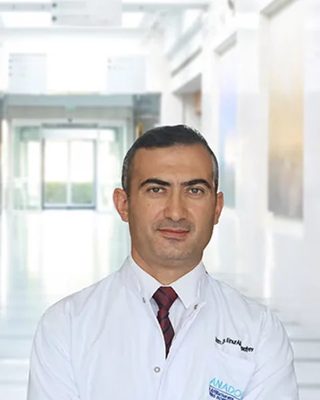 Elnur Allahverdiyev | Anadolu Medical Center Istanbul, Turkey | Bladder removal In practice since 2012 | Ask about treatment |
Israel · 1–12 of 13 entries
| Specialist | Clinic | Operations and experience | Ask about treatment |
|---|---|---|---|
 Barak Rosenzweig | Sheba Medical Center Ramat Gan, Israel | Prostatectomy; Nephrectomy; Robotic da Vinci prostatectomy; Bladder removal; Removal of testicle tumor; Bladder removal with reconstruction In practice since 2007 | Ask about treatment |
 Haim Matskin | Sourasky Medical Center (Ichilov) Tel Aviv, Israel | Prostatectomy; Transurethral resection of the prostate (TURP); Bladder removal with reconstruction In practice since 1900 | Ask about treatment |
 Zohar Dotan | Assuta Medical Center Tel Aviv, Israel | Prostatectomy; Da Vinci Robotic System; Robotic da Vinci prostatectomy; Transurethral resection of the prostate (TURP); Bladder removal; Bladder removal with reconstruction | Ask about treatment |
 Jack Baniel | Sourasky Medical Center (Ichilov) Tel Aviv, Israel | Prostatectomy; Nephrectomy; Da Vinci Robotic System; Robotic da Vinci prostatectomy In practice since 1987 | Ask about treatment |
 avi Beri | Sourasky Medical Center (Ichilov) Tel Aviv, Israel | Prostatectomy; Nephrectomy; Robotic da Vinci prostatectomy; Transurethral resection of the prostate (TURP); Bladder removal with reconstruction In practice since 1996 | Ask about treatment |
 Hughes Hyun | Sourasky Medical Center (Ichilov) Tel Aviv, Israel | Prostatectomy; Nephrectomy; Transurethral resection of the prostate (TURP) In practice since 1983 | Ask about treatment |
 Yossefovitz Ofer | Sourasky Medical Center (Ichilov) Tel Aviv, Israel | Nephrectomy; Robotic da Vinci prostatectomy; Bladder removal with reconstruction In practice since 1994 | Ask about treatment |
 Vladimir Yutkin | Hadassah Medical Center Jerusalem, Israel | Prostatectomy; Nephrectomy; Da Vinci Robotic System; Robotic da Vinci prostatectomy; Transurethral resection of the prostate (TURP); Lumpectomy; Hysterectomy with DaVinci robot; Bladder removal In practice since 1996 | Ask about treatment |
 Nir Kleinmann | Sheba Medical Center Ramat Gan, Israel | Prostatectomy; Nephrectomy; Da Vinci Robotic System; Robotic da Vinci prostatectomy; Transurethral resection of the prostate (TURP); Bladder removal; Removal of testicle tumor; Bladder removal with reconstruction In practice since 2001 | Ask about treatment |
 Dorit Zilberman | Sheba Medical Center Ramat Gan, Israel | Prostatectomy; Nephrectomy; Robotic da Vinci prostatectomy; Bladder removal; Bladder removal with reconstruction In practice since 2001 | Ask about treatment |
 Jacob Ben-chaim | Sourasky Medical Center (Ichilov) Tel Aviv, Israel | Nephrectomy; Bladder removal with reconstruction In practice since 1986 | Ask about treatment |
 Mario Sofer | Sourasky Medical Center (Ichilov) Tel Aviv, Israel | Nephrectomy In practice since 1987 | Ask about treatment |
Israel · 13–13 of 13 entries
| Specialist | Clinic | Operations and experience | Ask about treatment |
|---|---|---|---|
 Ben Cchaim Jacob | Sourasky Medical Center (Ichilov) Tel Aviv, Israel | Nephrectomy; Bladder removal with reconstruction In practice since 1988 | Ask about treatment |
Spain · 8 entries
| Specialist | Clinic | Operations and experience | Ask about treatment |
|---|---|---|---|
 Antonio Alcaraz | Hospital Quiron Barcelona Barcelona, Spain | Prostatectomy; Nephrectomy; Da Vinci Robotic System; Robotic da Vinci prostatectomy In practice since 1988 | Ask about treatment |
 Josep Torremade Barreda | Centro Médico Teknon Barcelona, Spain | Nephrectomy; Robotic da Vinci prostatectomy; Bladder removal; Bladder removal with reconstruction In practice since 2008 | Ask about treatment |
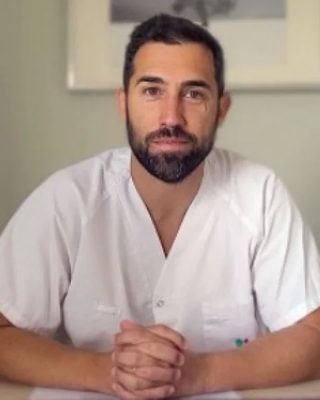 Navarro Vilches | Quirónsalud Marbella Marbella, Spain | Prostatectomy; Nephrectomy; Robotic da Vinci prostatectomy; Bladder removal; Bladder removal with reconstruction In practice since 2012 | Ask about treatment |
 Bruce Patrik Dos Santos Marcano | Hospital Quiron Barcelona Barcelona, Spain | Prostatectomy; Nephrectomy; Robotic da Vinci prostatectomy; Bladder removal In practice since 2010 | Ask about treatment |
 Sven Jorg Petry | Quironsalud Torrevieja Alicante, Spain | Prostatectomy; Nephrectomy; Robotic da Vinci prostatectomy; Bladder removal; Bladder removal with reconstruction In practice since 2001 | Ask about treatment |
 Antonio Alcaraz Asensio | Centro Médico Teknon Barcelona, Spain | Prostatectomy; Nephrectomy; Robotic da Vinci prostatectomy; Bladder removal; Bladder removal with reconstruction In practice since 1997 | Ask about treatment |
 Xavier Centeno Fornies | Centro Médico Teknon Barcelona, Spain | Nephrectomy; Small intestine resection; Hysterectomy (uterus removal); Lumpectomy; Whipple surgery; Bladder removal; Colectomy (large bowel resection); Liver resection; Rectal resection; Removal of testicle tumor; Throat cancer operation; Gastroectomy; Pancreatic cancer surgery; Bladder removal with reconstruction In practice since 1994 | Ask about treatment |
 Cesar Canales Bedoya | Hospital Ruber Internacional Madrid, Spain | Nephrectomy; Small intestine resection; Lumpectomy; Bladder removal; Colectomy (large bowel resection); Liver resection; Rectal resection; Gastroectomy In practice since 1950 | Ask about treatment |
Czech Republic · 3 entries
| Specialist | Clinic | Operations and experience | Ask about treatment |
|---|---|---|---|
 Jaroslav Tvaruzek | Robotic Surgery Center in St. Zdislava Hospital Velke Mezirici, Czech Republic | Thyroid resection; Removal of liver cancer; Removal of colon cancer; Nephrectomy; Stomach cancer surgery; Da Vinci Robotic System; Esophagectomy; Small intestine resection; Robotic da Vinci prostatectomy; Hysterectomy with DaVinci robot; Colectomy (large bowel resection); Liver resection; Rectal resection; Pancreatic cancer surgery In practice since 1990 | Ask about treatment |
 Ivan Colombo | Robotic Surgery Center in St. Zdislava Hospital Velke Mezirici, Czech Republic | Robotic da Vinci prostatectomy; Bladder removal; Bladder removal with reconstruction | Ask about treatment |
 Jan Dolezel | Robotic Surgery Center in St. Zdislava Hospital Velke Mezirici, Czech Republic | Prostatectomy; Nephrectomy; Da Vinci Robotic System; Robotic da Vinci prostatectomy; Transurethral resection of the prostate (TURP) In practice since 1996 | Ask about treatment |
Austria · 1 entries
| Specialist | Clinic | Operations and experience | Ask about treatment |
|---|---|---|---|
 Georg Shatzl | Wiener Privatklinik (WPK) Vienna, Austria | Prostatectomy; Nephrectomy In practice since 1993 | Ask about treatment |
Germany · 2 entries
| Specialist | Clinic | Operations and experience | Ask about treatment |
|---|---|---|---|
 Viola Fox | Medical Center in Solingen Solingen, Germany | Mastectomy; Thyroid resection; Removal of liver cancer; Removal of colon cancer; Prostatectomy; Melanoma surgery; Stomach cancer surgery; Da Vinci Robotic System; Esophagectomy; Small intestine resection; Robotic da Vinci prostatectomy; Breast cancer surgery; Hysterectomy (uterus removal); Hyperthermic Intraperitoneal Chemotherapy (HIPEC); Whipple surgery; Hysterectomy with DaVinci robot; Lung cancer surgery; Colectomy (large bowel resection); Liver resection; Removal of meningioma; Rectal resection; Removal of testicle tumor; Throat cancer operation; Tongue cancer surgery; Gastroectomy; Pancreatic cancer surgery; Bladder removal with reconstruction; Laparoscopic Hysterectomy In practice since 2012 | Ask about treatment |
 Wolfgang Schröder | Helios Gesundheit Wuppertal, Germany | Removal of liver cancer; Removal of colon cancer; Nephrectomy; Stomach cancer surgery; Da Vinci Robotic System; Esophagectomy; Small intestine resection; Breast cancer surgery; Lumpectomy; Hyperthermic Intraperitoneal Chemotherapy (HIPEC); Whipple surgery; Mohs microsurgery; Lung cancer surgery; Colectomy (large bowel resection); Liver resection; Rectal resection; Throat cancer operation; Gastroectomy; Pancreatic cancer surgery In practice since 2001 | Ask about treatment |
Romania · 1 entries
| Specialist | Clinic | Operations and experience | Ask about treatment |
|---|---|---|---|
 George Tie | Ponderas Academic Hospital Bucharest, Romania | Prostatectomy; Nephrectomy; Robotic da Vinci prostatectomy; Bladder removal; Bladder removal with reconstruction In practice since 2012 | Ask about treatment |
Mexico · 1 entries
| Specialist | Clinic | Operations and experience | Ask about treatment |
|---|---|---|---|
 Dr Alejandro Lira | Hospital de la Familia Mexicali, Mexico | Prostatectomy; Orchiectomy; Bladder removal In practice since 2011 | Ask about treatment |
Republic of Korea · 2 entries
| Specialist | Clinic | Operations and experience | Ask about treatment |
|---|---|---|---|
 Sohn Dong-wan | NAEUN HOSPITAL Incheon, Republic of Korea | Prostatectomy; Nephrectomy; Robotic da Vinci prostatectomy In practice since 1995 | Ask about treatment |
 Heeseok Kang | Seoul Miz Hospital (서울미즈병원) Seoul, Republic of Korea | Nephrectomy; Hysterectomy (uterus removal); Hysterectomy with DaVinci robot; Laparoscopic Hysterectomy In practice since 1999 | Ask about treatment |
Sources (63)
- Eyup Veli Kucuk
- Murat Savas
- Abdulmuttalip Simsek
- Barak Rosenzweig
- Antonio Alcaraz
- Haim Matskin
- Zohar Dotan
- Jack Baniel
- avi Beri
- Hughes Hyun
- Jaroslav Tvaruzek
- Ivan Colombo
- Jan Dolezel
- Ilker Tinay
- Mustafa Solak
- Basri Cakiroglu
- Yossefovitz Ofer
- Vladimir Yutkin
- Georg Shatzl
- Tunc Ozdemir
- Oguzhan Parlak
- Baris Nuhoglu
- Cenk Acar
- Semih Ayyan
- Viola Fox
- Abdullmutalip Simsek
- Dr Bugra Cetin
- Senol Erguney
- Sakir Aydogan
- Mumin Temel
- Gurkan Ozkan
- Josep Torremade Barreda
- Ozgur Haki Yuksel
- Navarro Vilches
- Cem Basatac
- Kurshad Zengin
- Bruce Patrik Dos Santos Marcano
- Ugur Aferin
- George Tie
- Bahri Gok
- Dr Alejandro Lira
- Ramazan Altin
- Sait Aygun
- Zohaar Dotan
- Nir Kleinmann
- Dorit Zilberman
- Sohn Dong-wan
- Sven Jorg Petry
- Antonio Alcaraz Asensio
- Kadir Onem
- Hasan Anil Atalay
- Pekize Eker Balcioglu
- Xavier Centeno Fornies
- Yusuf Acikgoz
- Cesar Canales Bedoya
- Wolfgang Schröder
- Heeseok Kang
- Jacob Ben-chaim
- Mario Sofer
- Serkan Deveci
- Ben Cchaim Jacob
- Alaettin Celik
- Elnur Allahverdiyev
Programmes and prices
Robotic Surgery Center in St. Zdislava Hospital · 1 entries
| Public programme | Clinic | Recorded price | Programme details | Request a quote |
|---|---|---|---|---|
| Robotic Nephrectomy with Da Vinci — Private Room & Transfer Included | Robotic Surgery Center in St. Zdislava Hospital | USD 8980Bookimed offer, Oct 2026 |
What the programme includesRobotic Nephrectomy with Da Vinci — Private Room & Transfer Included Included: Nephrectomy Included: Individual chamber Included: Transfer airport-clinic-airport Excluded: Airfare Excluded: Hotel Excluded: Additional activities not included Stay: 7 days in the hospital Additional source terms: Single superior chamber with a bathroom, internet and television – 7 days. 3 meals per day. Drinks are included in the price. Medical concierge service during examinations, consultation and surgeries. Source differences
|
Ask about treatment |
Quironsalud Madrid · 1 entries
| Public programme | Clinic | Recorded price | Programme details | Request a quote |
|---|---|---|---|---|
| Nephrectomy, leading urologist Dr.Batista | Quironsalud Madrid | USD 20184.81Bookimed offer, Oct 2026 |
What the programme includesNephrectomy, leading urologist Dr.Batista Included: Nephrectomy Excluded: Airfare Excluded: Additional activities not included Source differences
|
Ask about treatment |
Intrarat Hospital · 1 entries
| Public programme | Clinic | Recorded price | Programme details | Request a quote |
|---|---|---|---|---|
| Bladder removal | Intrarat Hospital | USD 7813Bookimed offer, Oct 2026 |
What the programme includesBladder removal Included: Bladder removal Included: Transfer to the clinic Excluded: Airfare Excluded: Hotel Excluded: Additional activities not included Excluded: Accommodation is not included Stay: 3 days in the hospital |
Ask about treatment |
Anadolu Medical Center · 1 entries
| Public programme | Clinic | Recorded price | Programme details | Request a quote |
|---|---|---|---|---|
| Consultations + surgery | Anadolu Medical Center | USD 3235Bookimed offer, Oct 2026 |
What the programme includesConsultations + surgery Included: Bladder removal with reconstruction Included: Hospitalization Included: Transfer airport-clinic-airport Excluded: Airfare Excluded: Hotel Excluded: Additional activities not included Stay: 12 days in the hospital |
Ask about treatment |
Men’s Health Clinics · 1 entries
| Public programme | Clinic | Recorded price | Programme details | Request a quote |
|---|---|---|---|---|
| Prof.Dr.Barış Nuhoğlu- Cystectomy | Men’s Health Clinics | USD 12000Bookimed offer, Oct 2026 |
What the programme includesProf.Dr.Barış Nuhoğlu- Cystectomy Included: Consultation with a urologist Included: Consultation with an anesthesiologist Included: HIV diagnostics Included: HBsAg Included: Anti-HCV Included: Anti-HBs Included: Bladder removal Included: 4* Hotel Included: Transfer airport-hotel-clinic-airport Excluded: Airfare Excluded: Additional activities not included Stay: 3 days in the hospital Stay: 10 days in the hotel Source differences
|
Ask about treatment |
Sheba Medical Center · 2 entries
| Public programme | Clinic | Recorded price | Programme details | Request a quote |
|---|---|---|---|---|
| Advanced Bladder Cancer Treatment with Bladder removal & Reconstruction at Sheba Hospital | Sheba Medical Center | USD 39000Bookimed offer, Oct 2026 |
What the programme includesAdvanced Bladder Cancer Treatment with Bladder removal & Reconstruction at Sheba Hospital Included: PET/CT Included: Consultation with an oncologist Included: Biopsy Included: Extended analysis of blood Included: Urodynamics Included: Histopathology revision Included: Bladder cancer complex diagnosis Included: Bladder removal with reconstruction Included: Blood tests Included: Echocardiography Included: Complete blood count (CBC) Included: MRI of one area Included: Consultation with a urologist Included: Consultation with a surgeon Included: Urine tests Included: Uroflowmetry Excluded: Airfare Excluded: Hotel Excluded: Additional activities not included Excluded: Accommodation is not included Excluded: Transfer is not included Stay: 7 days in the hospital Stay: 10 days in the hotel Source differences
|
Ask about treatment |
| Robotic Bladder resection & Reconstruction at Sheba Hospital-Top-10 Hospitals 2026 by Newsweek | Sheba Medical Center | USD 40000Bookimed offer, Oct 2026 |
What the programme includesRobotic Bladder resection & Reconstruction at Sheba Hospital-Top-10 Hospitals 2026 by Newsweek Included: PET/CT Included: Consultation with an oncologist Included: Extended analysis of blood Included: Urine analysis Included: Histopathology revision Included: Bladder cancer complex diagnosis Included: Da Vinci Robotic System Included: Bladder removal with reconstruction Included: Blood tests Included: Echocardiography Included: Complete blood count (CBC) Included: MRI of one area Included: Consultation with a urologist Included: Consultation with a surgeon Included: Urine tests Included: Uroflowmetry Included: Hospitalization Excluded: Airfare Excluded: Hotel Excluded: Additional activities not included Excluded: Transfer is not included Stay: 7 days in the hospital Stay: 10 days in the hotel Source differences
|
Ask about treatment |
Hospital de la Familia · 1 entries
| Public programme | Clinic | Recorded price | Programme details | Request a quote |
|---|---|---|---|---|
| Nephrectomy Surgery | Hospital de la Familia | USD 6450Bookimed offer, Oct 2026 |
What the programme includesNephrectomy Surgery Included: Nephrectomy Excluded: Airfare Excluded: Additional activities not included Excluded: Accommodation is not included Excluded: Transfer is not included Stay: 1 days in the hospital Stay: 3 days in the hotel Source differences
|
Ask about treatment |
Memorial Göztepe Hospital · 7 entries
| Public programme | Clinic | Recorded price | Programme details | Request a quote |
|---|---|---|---|---|
| Open Nephrectomy | Memorial Göztepe Hospital | USD 16460Bookimed offer, Oct 2026 |
What the programme includesOpen Nephrectomy Included: Nephrectomy Included: Transfer airport-hotel-clinic-airport Excluded: Airfare Excluded: Hotel Excluded: Additional activities not included Excluded: Accommodation is not included Stay: 5 days in the hospital |
Ask about treatment |
| Radical (Open) Nephrectomy | Memorial Göztepe Hospital | USD 20720Bookimed offer, Oct 2026 |
What the programme includesRadical (Open) Nephrectomy Included: Nephrectomy Included: Transfer airport-hotel-clinic-airport Excluded: Airfare Excluded: Hotel Excluded: Additional activities not included Excluded: Accommodation is not included Stay: 4 days in the hospital |
Ask about treatment |
| Radical Cystectomy with Continent Reservoir | Memorial Göztepe Hospital | USD 38760Bookimed offer, Oct 2026 |
What the programme includesRadical Cystectomy with Continent Reservoir Included: Bladder removal with reconstruction Included: Transfer airport-hotel-clinic-airport Excluded: Airfare Excluded: Hotel Excluded: Additional activities not included Excluded: Accommodation is not included Stay: 5 days in the hospital |
Ask about treatment |
| Laparoscopic Radical Cystectomy with Continent Reservoir | Memorial Göztepe Hospital | USD 55780Bookimed offer, Oct 2026 |
What the programme includesLaparoscopic Radical Cystectomy with Continent Reservoir Included: Bladder removal with reconstruction Included: Transfer airport-hotel-clinic-airport Excluded: Airfare Excluded: Hotel Excluded: Additional activities not included Excluded: Accommodation is not included Stay: 5 days in the hospital |
Ask about treatment |
| Robot-Assisted Laparoscopic Cystectomy + Ileal Loop | Memorial Göztepe Hospital | USD 59240Bookimed offer, Oct 2026 |
What the programme includesRobot-Assisted Laparoscopic Cystectomy + Ileal Loop Included: Bladder removal with reconstruction Included: Transfer airport-hotel-clinic-airport Excluded: Airfare Excluded: Hotel Excluded: Additional activities not included Excluded: Accommodation is not included Stay: 7 days in the hospital |
Ask about treatment |
| Robot-Assisted Laparoscopic Radical Cystectomy with Continent Reservoir | Memorial Göztepe Hospital | USD 60040Bookimed offer, Oct 2026 |
What the programme includesRobot-Assisted Laparoscopic Radical Cystectomy with Continent Reservoir Included: Bladder removal with reconstruction Included: Transfer airport-hotel-clinic-airport Excluded: Airfare Excluded: Hotel Excluded: Additional activities not included Excluded: Accommodation is not included Stay: 5 days in the hospital |
Ask about treatment |
| Robot-Assisted Laparoscopic Cystectomy + Orthotopic Neobladder or Continent Diversion | Memorial Göztepe Hospital | USD 68660Bookimed offer, Oct 2026 |
What the programme includesRobot-Assisted Laparoscopic Cystectomy + Orthotopic Neobladder or Continent Diversion Included: Bladder removal with reconstruction Included: Transfer airport-hotel-clinic-airport Excluded: Airfare Excluded: Hotel Excluded: Additional activities not included Excluded: Accommodation is not included Stay: 3 days in the hospital |
Ask about treatment |
Memorial Şişli Hospital · 7 entries
| Public programme | Clinic | Recorded price | Programme details | Request a quote |
|---|---|---|---|---|
| Open Nephrectomy | Memorial Şişli Hospital | USD 16460Bookimed offer, Oct 2026 |
What the programme includesOpen Nephrectomy Included: Nephrectomy Included: Transfer airport-hotel-clinic-airport Excluded: Airfare Excluded: Hotel Excluded: Additional activities not included Excluded: Accommodation is not included Stay: 5 days in the hospital |
Ask about treatment |
| Radical (Open) Nephrectomy | Memorial Şişli Hospital | USD 20720Bookimed offer, Oct 2026 |
What the programme includesRadical (Open) Nephrectomy Included: Nephrectomy Included: Transfer airport-hotel-clinic-airport Excluded: Airfare Excluded: Hotel Excluded: Additional activities not included Excluded: Accommodation is not included Stay: 4 days in the hospital |
Ask about treatment |
| Radical Cystectomy with Continent Reservoir | Memorial Şişli Hospital | USD 38760Bookimed offer, Oct 2026 |
What the programme includesRadical Cystectomy with Continent Reservoir Included: Bladder removal with reconstruction Included: Transfer airport-hotel-clinic-airport Excluded: Airfare Excluded: Hotel Excluded: Additional activities not included Excluded: Accommodation is not included Stay: 5 days in the hospital |
Ask about treatment |
| Laparoscopic Radical Cystectomy with Continent Reservoir | Memorial Şişli Hospital | USD 55780Bookimed offer, Oct 2026 |
What the programme includesLaparoscopic Radical Cystectomy with Continent Reservoir Included: Bladder removal with reconstruction Included: Transfer airport-hotel-clinic-airport Excluded: Airfare Excluded: Hotel Excluded: Additional activities not included Excluded: Accommodation is not included Stay: 5 days in the hospital |
Ask about treatment |
| Robot-Assisted Laparoscopic Cystectomy + Ileal Loop | Memorial Şişli Hospital | USD 59240Bookimed offer, Oct 2026 |
What the programme includesRobot-Assisted Laparoscopic Cystectomy + Ileal Loop Included: Bladder removal with reconstruction Included: Transfer airport-hotel-clinic-airport Excluded: Airfare Excluded: Hotel Excluded: Additional activities not included Excluded: Accommodation is not included Stay: 7 days in the hospital |
Ask about treatment |
| Robot-Assisted Laparoscopic Radical Cystectomy with Continent Reservoir | Memorial Şişli Hospital | USD 60040Bookimed offer, Oct 2026 |
What the programme includesRobot-Assisted Laparoscopic Radical Cystectomy with Continent Reservoir Included: Bladder removal with reconstruction Included: Transfer airport-hotel-clinic-airport Excluded: Airfare Excluded: Hotel Excluded: Additional activities not included Excluded: Accommodation is not included Stay: 5 days in the hospital |
Ask about treatment |
| Robot-Assisted Laparoscopic Cystectomy + Orthotopic Neobladder or Continent Diversion | Memorial Şişli Hospital | USD 68660Bookimed offer, Oct 2026 |
What the programme includesRobot-Assisted Laparoscopic Cystectomy + Orthotopic Neobladder or Continent Diversion Included: Bladder removal with reconstruction Included: Transfer airport-hotel-clinic-airport Excluded: Airfare Excluded: Hotel Excluded: Additional activities not included Excluded: Accommodation is not included Stay: 3 days in the hospital |
Ask about treatment |
Memorial Bahçelievler Hospital · 7 entries
| Public programme | Clinic | Recorded price | Programme details | Request a quote |
|---|---|---|---|---|
| Open Nephrectomy | Memorial Bahçelievler Hospital | USD 16460Bookimed offer, Oct 2026 |
What the programme includesOpen Nephrectomy Included: Nephrectomy Included: Transfer airport-hotel-clinic-airport Excluded: Airfare Excluded: Hotel Excluded: Additional activities not included Excluded: Accommodation is not included Stay: 5 days in the hospital |
Ask about treatment |
| Radical (Open) Nephrectomy | Memorial Bahçelievler Hospital | USD 20720Bookimed offer, Oct 2026 |
What the programme includesRadical (Open) Nephrectomy Included: Nephrectomy Included: Transfer airport-hotel-clinic-airport Excluded: Airfare Excluded: Hotel Excluded: Additional activities not included Excluded: Accommodation is not included Stay: 4 days in the hospital |
Ask about treatment |
| Radical Cystectomy with Continent Reservoir | Memorial Bahçelievler Hospital | USD 38760Bookimed offer, Oct 2026 |
What the programme includesRadical Cystectomy with Continent Reservoir Included: Bladder removal with reconstruction Included: Transfer airport-hotel-clinic-airport Excluded: Airfare Excluded: Hotel Excluded: Additional activities not included Excluded: Accommodation is not included Stay: 5 days in the hospital |
Ask about treatment |
| Laparoscopic Radical Cystectomy with Continent Reservoir | Memorial Bahçelievler Hospital | USD 55780Bookimed offer, Oct 2026 |
What the programme includesLaparoscopic Radical Cystectomy with Continent Reservoir Included: Bladder removal with reconstruction Included: Transfer airport-hotel-clinic-airport Excluded: Airfare Excluded: Hotel Excluded: Additional activities not included Excluded: Accommodation is not included Stay: 5 days in the hospital |
Ask about treatment |
| Robot-Assisted Laparoscopic Cystectomy + Ileal Loop | Memorial Bahçelievler Hospital | USD 59240Bookimed offer, Oct 2026 |
What the programme includesRobot-Assisted Laparoscopic Cystectomy + Ileal Loop Included: Bladder removal with reconstruction Included: Transfer airport-hotel-clinic-airport Excluded: Airfare Excluded: Hotel Excluded: Additional activities not included Excluded: Accommodation is not included Stay: 7 days in the hospital |
Ask about treatment |
| Robot-Assisted Laparoscopic Radical Cystectomy with Continent Reservoir | Memorial Bahçelievler Hospital | USD 60040Bookimed offer, Oct 2026 |
What the programme includesRobot-Assisted Laparoscopic Radical Cystectomy with Continent Reservoir Included: Bladder removal with reconstruction Included: Transfer airport-hotel-clinic-airport Excluded: Airfare Excluded: Hotel Excluded: Additional activities not included Excluded: Accommodation is not included Stay: 5 days in the hospital |
Ask about treatment |
| Robot-Assisted Laparoscopic Cystectomy + Orthotopic Neobladder or Continent Diversion | Memorial Bahçelievler Hospital | USD 68660Bookimed offer, Oct 2026 |
What the programme includesRobot-Assisted Laparoscopic Cystectomy + Orthotopic Neobladder or Continent Diversion Included: Bladder removal with reconstruction Included: Transfer airport-hotel-clinic-airport Excluded: Airfare Excluded: Hotel Excluded: Additional activities not included Excluded: Accommodation is not included Stay: 3 days in the hospital |
Ask about treatment |
Sources (29)
- Robotic Nephrectomy with Da Vinci — Private Room & Transfer Included
- Nephrectomy, leading urologist Dr.Batista
- Bladder removal
- Consultations + surgery
- Prof.Dr.Barış Nuhoğlu- Cystectomy
- Advanced Bladder Cancer Treatment with Bladder removal & Reconstruction at Sheba Hospital
- Nephrectomy Surgery
- Robotic Bladder resection & Reconstruction at Sheba Hospital-Top-10 Hospitals 2026 by Newsweek
- Open Nephrectomy
- Radical (Open) Nephrectomy
- Radical Cystectomy with Continent Reservoir
- Laparoscopic Radical Cystectomy with Continent Reservoir
- Robot-Assisted Laparoscopic Cystectomy + Ileal Loop
- Robot-Assisted Laparoscopic Radical Cystectomy with Continent Reservoir
- Robot-Assisted Laparoscopic Cystectomy + Orthotopic Neobladder or Continent Diversion
References and further reading
- Kidney_bladder surgery surgeons
- Comparative efficacy of cryoablation versus robot-assisted partial nephrectomy in the treatment of cT1 renal tumors: a systematic review and meta-analysis.
- Long-term outcomes of cryoablation for biopsy-proven T1 stage renal cell carcinoma.
- Robot-assisted versus open radical cystectomy with extracorporeal urinary diversion for bladder cancer: a GRADE-assessed systematic review and meta-analysis of randomized controlled trials with subgroup analyses by orthotopic neobladder utilisation.
- Impact of frailty on adverse outcomes after radical cystectomy: a systematic review and meta-analysis.
- Upfront Versus Deferred Cytoreductive Nephrectomy in Metastatic Renal Cell Carcinoma: A Systematic Review and Individual Patient Data Meta-analysis.
- Comparison of Immediate vs Deferred Cytoreductive Nephrectomy in Patients With Synchronous Metastatic Renal Cell Carcinoma Receiving Sunitinib: The SURTIME Randomized Clinical Trial.
- Long-term Real-world Survival Outcomes with Dual Immune Checkpoint Blockade in Synchronous Metastatic Renal Cell Carcinoma: Implications for the Design of Prospective Cytoreductive Nephrectomy Trials.
- The Comparison of Oncologic Outcomes between Open and Laparoscopic Radical Nephroureterectomy for the Treatment of Upper Tract Urothelial Carcinoma: A Korean Multicenter Collaborative Study.
- Efficacy and safety of laparoscopic versus robot-assisted partial nephrectomy for moderate-to-high complexity renal tumors (RANAL-NS ≥ 7): a systematic review and meta-analysis.
- Perioperative, functional, and oncologic outcomes of laparoscopic partial nephrectomy versus open partial nephrectomy for complex renal tumors: a systematic review and meta-analysis.
- Comparison of outcomes between laparoscopic and robot-assisted partial nephrectomy for complex renal tumors: RENAL score ≥7 or maximum tumor size >4 cm.
- Robot-assisted, laparoscopic and open radical cystectomy for bladder cancer: A systematic review and network meta-analysis.
- Robotic-assisted versus standard laparoscopic radical cystectomy in bladder cancer: A systematic review and meta-analysis.
- Long-term Oncological Outcomes from an Early Phase Randomised Controlled Three-arm Trial of Open, Robotic, and Laparoscopic Radical Cystectomy (CORAL).
- Transperitoneal vs retroperitoneal laparoscopic radical nephrectomy: a double-arm, parallel-group randomized clinical trial.
- Standard Versus Extended Pelvic Lymphadenectomy in Patients With Bladder Cancer: A Systematic Review and Meta-analysis.
- Standard or Extended Lymphadenectomy for Muscle-Invasive Bladder Cancer.
- Percutaneous Application of High Power Microwave Ablation With 150 W for the Treatment of Tumors in Lung, Liver, and Kidney: A Preliminary Experience.
- Utility of the RENAL Nephrometry Scoring System in Predicting Adverse Events and Outcomes of Percutaneous Microwave Ablation of Renal Tumors.
- Percutaneous Microwave Ablation versus Laparoscopic Partial Nephrectomy for cT1a Renal Cell Carcinoma: A Propensity-matched Cohort Study of 1955 Patients.
- Open versus minimally invasive nephroureterectomy in octogenarians: An analysis of surgical approach trends, outcomes, and survival analysis with propensity matching.
- Perioperative, functional and oncologic outcomes of percutaneous ablation versus minimally invasive partial nephrectomy for clinical T1 renal tumors: outcomes from a pooled analysis.
- Comparison between minimally invasive partial nephrectomy and open partial nephrectomy for complex renal tumors: a systematic review and meta-analysis.
- Comparisons of survival and surgical outcomes between minimally invasive partial nephrectomy and radical nephrectomy in elderly patients with stage 1 renal cell carcinoma.
- Comparative outcomes of robot-assisted and open radical nephrectomy with inferior vena cava thrombectomy for renal cell carcinoma: a systematic review and meta-analysis.
- Distal ureterectomy versus radical nephroureterectomy for nonmetastatic distal ureteral urothelial carcinoma: a GRADE-assessed systematic review and meta-analysis of comparative studies.
- The role of intravesical chemotherapy following nephroureterectomy in upper tract urothelial carcinoma: A systematic review and meta-analysis.
- Oncologic and renal function outcomes of segmental ureterectomy vs. radical nephroureterectomy in upper tract urothelial carcinoma: A systematic review and meta-analysis.
- Comparison of 1-Year Health Care Expenditures and Utilization Following Minimally Invasive vs Open Nephrectomy.
- Open versus robotic-assisted partial nephrectomy in patients with intermediate/high-complexity kidney tumours: final results of the randomised, controlled, open-label, multicentre trial OpeRa.
- Comparative Outcomes of Open Radical Cystectomy vs. Robot-Assisted Approaches with Intracorporeal and Extracorporeal Urinary Diversion: A Meta-Analysis and Network Meta-Analysis of Perioperative and Quality of Life Outcomes.
- Robot-assisted Radical Nephrectomy: A Systematic Review and Meta-analysis of Comparative Studies.
- Outcomes of Open Radical Nephrectomy for Advanced Renal Malignant Tumors in the Minimally Invasive Era: Findings From a Single Institution Over 17 Years.
- Survival outcomes in patients with muscle invasive bladder cancer undergoing radical vs. partial cystectomy.
- Comparison of the perioperative outcomes of robot-assisted laparoscopic transperitoneal versus retraperitoneal partial nephrectomy for posterior-lateral renal tumors: a systematic review and meta-analysis.
- Percutaneous ablation versus robotic‑assisted partial nephrectomy for cT1 renal cell carcinoma: an evidence-based analysis of comparative outcomes.
- Extended versus standard lymph node dissection for urothelial carcinoma of the bladder in people undergoing radical cystectomy.
- Robotic Radical Nephrectomy with Vena Cava Thrombus Extraction (RRN-VCTE) for Renal Cell Carcinoma: A Meta-Analysis of Surgical Technique and Outcomes.
- Asystematic review and meta-analysis of clinical prognostic factors linked to extravesical recurrence after radical nephroureterectomy to treat upper tract urothelial carcinoma.
- Long-term outcomes of radiofrequency ablation vs. partial nephrectomy for cT1 renal cancer: A meta-analysis and systematic review.
- Oncologic Outcomes Following Partial Nephrectomy and Percutaneous Ablation for cT1 Renal Masses.
- Open Versus Robotic Cystectomy: A Propensity Score Matched Analysis Comparing Survival Outcomes.
- Robot-assisted nephroureterectomy: surgical and mid-term oncological outcomes in over 1100 patients (ROBUUST 2.0 collaborative group).
- Intracorporeal Versus Extracorporeal Urinary Diversion Following Robotic-Assisted Radical Cystectomy for Bladder Cancer in Patients ≥ 65 Years of Age: A Systematic Review and Meta-Analysis.
- An updated systematic review, meta-analysis, and trial sequential analysis of the efficacy and safety of en bloc transurethral resection vs. conventional transurethral resection for nonmuscle-invasive bladder tumor.
- Repeat Transurethral Resection (TUR) + Bacillus Calmette-Guérin (BCG) Versus Upfront Induction BCG After TUR in High-risk Non-muscle-invasive Bladder Cancer: Feasibility Phase of a Randomized Controlled Study.
Request a treatment proposal
Share your diagnosis and reports through the Bookimed request form.
Ask about treatment
Continue your guide
Related oncologic guides
Turn information into your next step.
Free Bookimed support. Compare options before deciding.
Free Bookimed support. Compare options before deciding.