Decision guide
Melanoma surgery
For melanoma of the skin, wide local excision removes the melanoma with a border of surrounding skin, called a surgical margin.
Free Bookimed support. Compare options before deciding.
How surgery works and how approaches differ
For melanoma of the skin, wide local excision removes the melanoma with a border of surrounding skin, called a surgical margin. The margin depends on how deeply the melanoma has grown, its subtype and its location, including the need to protect appearance and function. Sentinel lymph node biopsy is a separate staging procedure: a sample from the first draining lymph nodes helps assess whether the melanoma has spread. Staged excision is another approach to checking the margins; further tissue may need to be removed before the area is clear.
Sources (3)
When surgery may help and what alternatives to discuss
Surgery is a central treatment for the original melanoma in the skin. Whether to add sentinel lymph node biopsy depends partly on tumour thickness. It is recommended for melanomas at least 1 mm thick and may be considered for those 0.8–1 mm thick, or thinner melanomas with ulceration, meaning a breakdown of the surface. Other adverse features can also affect this decision.
For melanoma that has spread, the treatment plan can combine surgery with immunotherapy, which acts through the immune system, or targeted medicines. Close monitoring rather than automatic removal of all the remaining lymph nodes is an option in selected patients whose sentinel node contains melanoma. These are different decisions from removing the original skin tumour.
For melanoma on the outer ear, preserving the cartilage can help retain the ear’s shape and function. Whether preserving or removing cartilage gives better cancer control remains inconclusive, so neither approach can be presented as the better cancer treatment for everyone.
Expected outcomes and limits of the evidence
Follow-up imaging can help find melanoma that has returned at the scar before it is apparent on clinical examination. At one specialist centre, 320 patients with skin melanoma had 730 high-frequency ultrasound examinations of their excision scars between November 2024 and October 2025. Of 53 scars judged suspicious, 50 had melanoma confirmed by tissue testing and three had non-cancerous tissue changes. No missed recurrences were observed among ultrasound-negative scars during follow-up lasting a median of 12 months, with a range of 3–12 months. These findings concern detection in an expert setting, not the chance of cure after surgery or proof that ultrasound improves survival.
Risks to discuss with your surgeon
Lymph node surgery can lead to infection, reopening of the wound, collections of lymph fluid called lymphoceles, and swelling caused by impaired lymph drainage, called lymphoedema. These complications were documented in melanoma patients undergoing lymph node surgery in Peru; they are not estimates of risk from skin excision alone.
Staged excision can require more than one removal of tissue to achieve clear margins. Larger areas of removal can also require more complex wound repair. This occurred in patients treated for melanoma confined to the surface layer of skin and for invasive melanoma, mostly on the head and neck.
Recovery and follow-up care
Some melanoma excision wounds are repaired with a skin graft, using skin taken from another part of the body. Follow-up may also involve checking the excision scar. In the specialist ultrasound pathway described here, suspicious scar changes led to a biopsy or excision for tissue testing, uncertain changes led to an earlier repeat assessment, and scars that appeared benign continued under monitoring. This is an example of specialised follow-up rather than a universal timetable for everyone after melanoma surgery.
Explore surgery and care teams
Specialists and their operations
| Specialist | Clinic | Operations and experience | Ask about treatment |
|---|---|---|---|
 Piotr Ciszewski | WILMED Medical Clinic Warsaw, Poland | Mastectomy; Melanoma surgery; Breast cancer surgery; Lumpectomy In practice since 1992 | Ask about treatment |
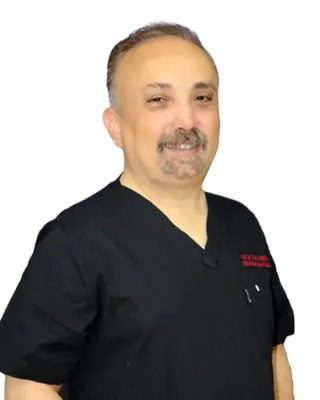 Erkan Karatas | Atlas University Hospital Istanbul, Turkey | Thyroid resection; Melanoma surgery; Tongue cancer surgery In practice since 1999 | Ask about treatment |
 Joan Ramon Garces Gatnau | Centro Médico Teknon Barcelona, Spain | Melanoma surgery; Mohs microsurgery In practice since 1986 | Ask about treatment |
 Wojciech Gackowski | WILMED Medical Clinic Warsaw, Poland | Melanoma surgery In practice since 1983 | Ask about treatment |
 Jacek Albinski | WILMED Medical Clinic Warsaw, Poland | Melanoma surgery In practice since 1982 | Ask about treatment |
Research and sources
Sources (18)
- Impact of the time interval between primary melanoma excision and sentinel node biopsy: A systematic review and meta-analysis.
- Auricular Melanoma Excision: Excision of Auricular Melanoma.
- Lymphatic Complications in Patients Undergoing Melanoma Surgery in Peru.
- Ultra-High-Frequency Ultrasound of Melanoma Excision Scars for Detection of Clinically Occult Local Recurrence: A Single-Center Retrospective Study.
- Case report: incidental finding of an ectopic adrenal gland during sentinel lymph node evaluation following melanoma excision.
- Impact of anesthesia choice in cutaneous melanoma surgery.
- Localized Cutaneous Argyria at the Site of a Prior Melanoma Excision Confirmed by Scanning Electron Microscopy With Energy Dispersive X-ray Analysis.
- Preoperative and Intraoperative Identification of Sentinel Lymph Nodes in Melanoma Surgery.
- Advancing Surgical Precision in Z-Plasty and Melanoma Excision Through Quality Improvement Initiatives in Rural Settings.
- Staged melanoma excision requires larger margins for tumor clearance and results in low rates of recurrence.
- Lower limb cutaneous melanoma surgery: location matters.
- CONGRESS REPORT OF THE 5TH NATIONAL CONGRESS OF THE BULGARIAN SOCIETY FOR DERMATOLOGIC SURGERY, SOFIA, 11TH MARCH 2023 WITH MAIN TOPICS: NITROSAMINES AS MOST POWERFUL TRIGGER FOR SKIN CANCER DEVELOPMENT AND PROGRESSION/PERSONALISED ONE STEP MELANOMA SURGERY AS POSSIBLE SKIN CANCER TREATMENT OPTION.
- Melanoma surgery-An update.
- The ban of the ipsilateral limb as a skin graft donor site after melanoma excision: A critical review.
- Near-Infrared Fluorescence Imaging for Sentinel Lymph Node Identification in Melanoma Surgery.
- Treatment of Melanoma Excision Wound With 50% Zinc Chloride Solution Astringent-Mohs Melanoma Surgery Without the Paste.
- Delayed Onset Scleromalacia and Conjunctival Bleb Formation Following Intraoperative Mitomycin C Application during Conjunctival Melanoma Excision.
- Margins of Melanoma Excision and Modifications to Standards.
Request a treatment proposal
Share your diagnosis and reports through the Bookimed request form.
Ask about treatment
Continue your guide
Related oncologic guides
Turn information into your next step.
Free Bookimed support. Compare options before deciding.
Free Bookimed support. Compare options before deciding.