Decision guide
Tongue cancer surgery
Glossectomy treats tongue cancer by removing cancerous tissue from the tongue.
Free Bookimed support. Compare options before deciding.
How surgery works and how approaches differ
Glossectomy treats tongue cancer by removing cancerous tissue from the tongue. Partial glossectomy removes part of the tongue; total glossectomy removes the whole tongue. Reconstruction may involve closing the remaining tissue directly or using a tissue flap to rebuild the area. Removing the tongue while keeping the voice box is different from removing both the tongue and voice box. These operations have different effects on speech and swallowing.
For small wounds after partial tongue removal, direct closure and leaving the wound to heal are possible approaches. A 2025 randomized pilot study of 36 people with early tongue cancer and defects involving less than 30% of the tongue compared two closure techniques with healing without closure. Speech, swallowing and quality of life did not differ significantly between the groups at one week or one month; this small, short study does not establish that the approaches are equivalent in the long term.
Sources (4)
- Oral cancer and the impact of glossectomy: challenges and pathways to recovery.
- Functional outcomes and complications of total glossectomy with laryngeal preservation and flap reconstruction: A systematic review and meta-analysis.
- Functional outcomes and survival after total glossectomy with laryngectomy: a systematic review.
- Exploratory randomized pilot study comparing speech, swallowing, and quality of life outcomes following different types of primary closure after partial glossectomy for early tongue carcinoma.
When surgery may help and what alternatives to discuss
The extent of cancer matters when considering how much surgery is needed. Partial tongue removal has been studied in early-stage tongue cancer. Removing both the whole tongue and the voice box is reserved for selected advanced cancers that have invaded the voice box, with careful consideration of cancer control and the effects on daily life.
The tissue edge around the removed cancer, called the surgical margin, helps assess whether removal is complete. A 2023 review of 34 studies linked margin distance with cancer recurrence and survival, but the studies used different distance thresholds. It does not establish one universal margin for every patient.
Reconstruction choices also depend on the size of the area removed. In a 2026 study of 70 people after partial or half-tongue removal, flap reconstruction was associated with better swallowing, speech and quality of life at 6–12 months than direct closure, alongside longer operations and more wound complications. This was not a randomized comparison. A broader 2025 review found higher quality of life with direct closure than with flaps across different groups of patients. These findings do not establish that either approach is best for every surgical defect.
Sources (5)
- Exploratory randomized pilot study comparing speech, swallowing, and quality of life outcomes following different types of primary closure after partial glossectomy for early tongue carcinoma.
- Functional outcomes and survival after total glossectomy with laryngectomy: a systematic review.
- Margin distance in oral tongue cancer surgery: A systematic review of survival and recurrence outcomes.
- Intermediate Volume Glossectomy Defects Reconstruction: Flap Versus Primary Closure.
- Head and neck related quality of life following glossectomy among tongue cancer patients: a systematic review and meta-analysis.
Expected outcomes and limits of the evidence
The amount of tongue removed is important for everyday function. A 2026 hospital study followed 357 people with oral tongue cancer for a median of 36.1 months. Of these, 315 had part or half of the tongue removed and 42 had all or nearly all removed. The more extensive surgery group had poorer swallowing, speech and quality-of-life scores. These were observational findings, not a comparison of interchangeable treatments for the same cancer.
For advanced tongue cancer invading the voice box, a 2025 review examined removal of both the whole tongue and voice box. Among 50 patients in three studies reporting recurrence within one year, 26 had cancer return within that year, and the reported one-year disease-free survival was 48%. These results describe a small, highly selected advanced-cancer group, not the outlook after all tongue cancer operations.
Risks to discuss with your surgeon
Tongue surgery can affect speech, swallowing and quality of life. After whole-tongue removal with the voice box preserved and flap reconstruction, reported problems include continuing dependence on a feeding tube or a breathing opening in the neck, abnormal tissue openings called fistulas, and pneumonia related to material entering the lungs.
Early complications assessed in research on tongue cancer surgery include wound infection, bleeding requiring a blood transfusion, pneumonia and an unplanned further operation within 30 days. Removing both the tongue and voice box carries particularly serious functional consequences: loss of useful speech and difficulty regaining swallowing are central considerations in deciding whether to proceed.
Sources (4)
- Tumor and Flap Reconstruction Volumes and Functional Outcomes after Glossectomy.
- Functional outcomes and complications of total glossectomy with laryngeal preservation and flap reconstruction: A systematic review and meta-analysis.
- Artificial Intelligence-Based Risk Prediction Models for Complications After Tongue Cancer Surgery.
- Functional outcomes and survival after total glossectomy with laryngectomy: a systematic review.
Recovery and follow-up care
Recovery includes speech and swallowing rehabilitation, not just wound healing. Speech therapy can support speech recovery after partial tongue removal, and emotional support is also relevant during the return to daily life. Eating by mouth and independence from a feeding tube are important recovery outcomes after more extensive surgery.
One rehabilitation option being studied is a palatal augmentation plate, a fitted device that lowers the roof of the mouth to help the remaining tongue make contact. A 2026 prospective study included 12 people with early tongue cancer who had undergone a specific tongue-removal procedure without radiotherapy or chemotherapy and had an intact palate. They received the plate six weeks after surgery and used it with daily exercises for six months. Mean maximum tongue pressure increased from 16.93 to 26.93 kilopascals, a measure of pressure. This small study measured tongue strength, not a proven rate of return to normal eating.
Longer-term recovery can vary with age. A 2026 study of 206 people assessed function at one month, six months, one year and two years after tongue cancer surgery. People over 70 had more early difficulty with lip movement and strength; most functional differences between age groups had resolved by one to two years, although some lip movement and strength deficits persisted at two years. These were research assessment times, not a prescribed cancer follow-up schedule.
Sources (4)
- Oral cancer and the impact of glossectomy: challenges and pathways to recovery.
- Functional outcomes and complications of total glossectomy with laryngeal preservation and flap reconstruction: A systematic review and meta-analysis.
- Increasing tongue pressure with CAD/CAM palatal augmentation plate for tongue cancer patients with glossectomy.
- The Impact of Advanced Age on Functional Recovery Following Glossectomy.
Explore surgery and care teams
Specialists and their operations
| Specialist | Clinic | Operations and experience | Ask about treatment |
|---|---|---|---|
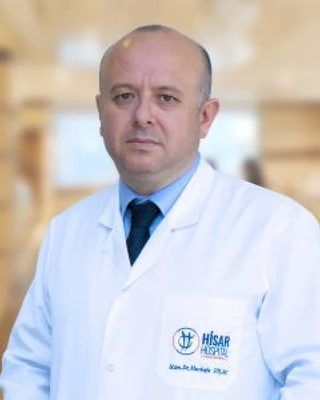 Mustafa Solak | Hisar Hospital Intercontinental Istanbul, Turkey | Mastectomy; Thyroid resection; Removal of liver cancer; Removal of colon cancer; Prostatectomy; Removal of spinal cord tumor; Melanoma surgery; Nephrectomy; Stomach cancer surgery; Da Vinci Robotic System; Esophagectomy; Small intestine resection; Robotic da Vinci prostatectomy; Transurethral resection of the prostate (TURP); Breast cancer surgery; Hysterectomy (uterus removal); Lumpectomy; Hyperthermic Intraperitoneal Chemotherapy (HIPEC); Whipple surgery; Orchiectomy; Mohs microsurgery; Hysterectomy with DaVinci robot; Lung cancer surgery; Bladder removal; Colectomy (large bowel resection); Liver resection; Removal of meningioma; Rectal resection; Removal of testicle tumor; Throat cancer operation; Tongue cancer surgery; Gastroectomy; Pancreatic cancer surgery; Bladder removal with reconstruction; Laparoscopic Hysterectomy In practice since 2006 | Ask about treatment |
 Viola Fox | Medical Center in Solingen Solingen, Germany | Mastectomy; Thyroid resection; Removal of liver cancer; Removal of colon cancer; Prostatectomy; Melanoma surgery; Stomach cancer surgery; Da Vinci Robotic System; Esophagectomy; Small intestine resection; Robotic da Vinci prostatectomy; Breast cancer surgery; Hysterectomy (uterus removal); Hyperthermic Intraperitoneal Chemotherapy (HIPEC); Whipple surgery; Hysterectomy with DaVinci robot; Lung cancer surgery; Colectomy (large bowel resection); Liver resection; Removal of meningioma; Rectal resection; Removal of testicle tumor; Throat cancer operation; Tongue cancer surgery; Gastroectomy; Pancreatic cancer surgery; Bladder removal with reconstruction; Laparoscopic Hysterectomy In practice since 2012 | Ask about treatment |
 Yusuf Acikgoz | Lokman Hekim University Ankara Hospital Ankara, Turkey | Mastectomy; Thyroid resection; Removal of liver cancer; Removal of colon cancer; Stomach cancer surgery; Breast cancer surgery; Tongue cancer surgery; Pancreatic cancer surgery; Bladder removal with reconstruction In practice since 2016 | Ask about treatment |
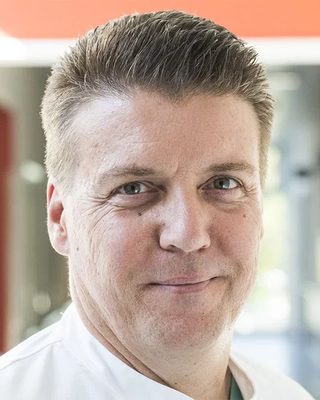 Ralf Buhl | Medical Center in Solingen Solingen, Germany | Thyroid resection; Removal of spinal cord tumor; Da Vinci Robotic System; Throat cancer operation; Tongue cancer surgery In practice since 1998 | Ask about treatment |
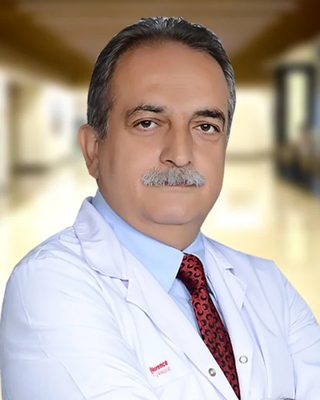 Salih Murat Imer | Istanbul Florence Nightingale Hospital Istanbul, Turkey | Removal of spinal cord tumor; Removal of meningioma; Tongue cancer surgery In practice since 1985 | Ask about treatment |
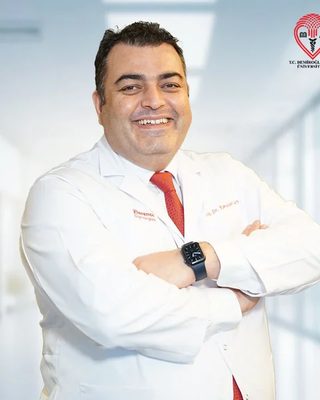 Ramazan Sari | Istanbul Florence Nightingale Hospital Istanbul, Turkey | Removal of spinal cord tumor; Magnetic Resonance-guided Focused Ultrasound Surgery (MRgFUS); Removal of meningioma; Tongue cancer surgery In practice since 2004 | Ask about treatment |
 Hasan Ozgur Ozdemir | Medical Park Antalya Hospital Complex Antalya, Turkey | Removal of spinal cord tumor; Magnetic Resonance-guided Focused Ultrasound Surgery (MRgFUS); Removal of meningioma; Tongue cancer surgery In practice since 2002 | Ask about treatment |
 Ramazan Uyar | Medical Park Antalya Hospital Complex Antalya, Turkey | Removal of spinal cord tumor; Magnetic Resonance-guided Focused Ultrasound Surgery (MRgFUS); Removal of meningioma; Tongue cancer surgery In practice since 1991 | Ask about treatment |
 Halil Can | İstinye University Liv Hospital Topkapı Istanbul, Turkey | Removal of spinal cord tumor; Magnetic Resonance-guided Focused Ultrasound Surgery (MRgFUS); Removal of meningioma; Tongue cancer surgery In practice since 2007 | Ask about treatment |
 Dan Fliss | Sourasky Medical Center (Ichilov) Tel Aviv, Israel | Throat cancer operation; Tongue cancer surgery In practice since 1986 | Ask about treatment |
 Tayfun Apuhan | Hisar Hospital Intercontinental Istanbul, Turkey | Tongue cancer surgery In practice since 1998 | Ask about treatment |
 Erkan Karatas | Atlas University Hospital Istanbul, Turkey | Thyroid resection; Melanoma surgery; Tongue cancer surgery In practice since 1999 | Ask about treatment |
Programmes and prices
| Public programme | Clinic | Recorded price | Programme details | Request a quote |
|---|---|---|---|---|
| BILATERAL NECK DISSECTION FOR ADVANCED HEAD & NECK CANCERS – REMOVAL OF LYMPH NODES ON BOTH SIDES OF THE NECK | Anadolu Medical Center | USD 11600Bookimed offer, Oct 2026 |
What the programme includesBILATERAL NECK DISSECTION FOR ADVANCED HEAD & NECK CANCERS – REMOVAL OF LYMPH NODES ON BOTH SIDES OF THE NECK Included: Lymph node dissection Included: Complex treatment of thyroid cancer Included: Tongue cancer surgery Included: Throat cancer operation Included: Consultation with an anesthesiologist Included: General anesthesia Included: Blood tests Included: Medical Examination for pre-operation Included: Post-op medications Included: Electrocardiogram (ECG) Included: Hospitalization Included: Transfer airport-clinic-airport Excluded: Airfare Excluded: Hotel Excluded: Additional activities not included Stay: Additional source terms: BILATERAL NECK DISSECTION REMOVAL OF LYMPH NODES ON BOTH SIDES OF THE NECK The procedure is performed by experienced Head and Neck Oncology surgeons with a strong focus on precise lymph node management and oncological safety while maintaining international surgical standards. Included services Hospital stay for 5 days Accommodation for one accompanying person Surgery under general anesthesia Anesthesiologist consultation Assistant surgeon during the procedure Standard pathology examination Pre-operative and post-operative medications during hospitalization The daily inpatient fee includes routine medications and consumables, standard laboratory tests, ward-based imaging when required, continuous medical follow-up and nursing care provided by the oncology team, as well as hospital bed and companion accommodation. |
Ask about treatment |
| TOTAL GLOSSECTOMY COMPLETE REMOVAL OF THE TONGUE | Anadolu Medical Center | USD 18200Bookimed offer, Oct 2026 |
What the programme includesTOTAL GLOSSECTOMY COMPLETE REMOVAL OF THE TONGUE Included: Partial Glossectomy Included: Tongue cancer surgery Included: Consultation with an anesthesiologist Included: General anesthesia Included: Medical Examination for pre-operation Included: Preoperative tests Included: Post-op medications Included: Blood tests Included: Electrocardiogram (ECG) Included: Hospitalization Included: Transfer airport-clinic-airport Excluded: Airfare Excluded: Hotel Excluded: Additional activities not included Stay: Additional source terms: The surgery is performed by specialized Head and Neck Oncology surgeons focusing on oncological safety and functional preservation whenever medically feasible. Included services: hospital stay for 10 days, accommodation for one accompanying person, surgery under general anesthesia, anesthesiologist consultation, assistant surgeon during the procedure, standard pathology examination, pre-operative and post-operative medications during hospitalization, routine medications and consumables during inpatient stay, standard laboratory tests, ward-based imaging when required, continuous medical follow-up and nursing care provided by the oncology team, hospital bed and companion accommodation. Excluded services: chemotherapy drugs and chemotherapy administration, radiotherapy treatments, additional interventional or surgical procedures, advanced imaging and pathology examinations such as MRI, CT or PET-CT, blood products, consultations from other medical departments, high-cost medications or consumables, and external laboratory services. |
Ask about treatment |
Research and sources
Sources (18)
- Head and neck related quality of life following glossectomy among tongue cancer patients: a systematic review and meta-analysis.
- Functional outcomes and complications of total glossectomy with laryngeal preservation and flap reconstruction: A systematic review and meta-analysis.
- Functional outcomes and survival after total glossectomy with laryngectomy: a systematic review.
- Is palatal augmentation prosthesis effective in restoring speech, swallowing, and quality of life following cancer associated glossectomy? A systematic review.
- Margin distance in oral tongue cancer surgery: A systematic review of survival and recurrence outcomes.
- Exploratory randomized pilot study comparing speech, swallowing, and quality of life outcomes following different types of primary closure after partial glossectomy for early tongue carcinoma.
- Increasing tongue pressure with CAD/CAM palatal augmentation plate for tongue cancer patients with glossectomy.
- Tumor and Flap Reconstruction Volumes and Functional Outcomes after Glossectomy.
- Functional outcomes in early-stage tongue cancer patients following partial glossectomy: a pilot study comparing primary closure and secondary healing with biomaterials.
- Oral cancer and the impact of glossectomy: challenges and pathways to recovery.
- Rethinking Risk in Glossectomy: Obesity and Overweight Status Linked to Fewer Complications and Shorter Hospital Stays.
- Speech-Language Pathologist With Tongue Cancer: Hemiglossectomy, Free Flap, Radiation, and Recovery.
- Artificial Intelligence-Based Risk Prediction Models for Complications After Tongue Cancer Surgery.
- Intermediate Volume Glossectomy Defects Reconstruction: Flap Versus Primary Closure.
- Sibilant differentiation before and after tongue cancer surgery: Acoustics, kinematics and the role of sensorimotor controla).
- Clinical Factors for Marked Granuloma-like Neoplasm at the Wound Site after Partial Glossectomy – A Retrospective Study.
- Utility of sublingual gland flap for mucosal defects after partial glossectomy and marginal mandibulectomy.
- The Impact of Advanced Age on Functional Recovery Following Glossectomy.
Request a treatment proposal
Share your diagnosis and reports through the Bookimed request form.
Ask about treatment
Continue your guide
Related oncologic guides
Turn information into your next step.
Free Bookimed support. Compare options before deciding.
Free Bookimed support. Compare options before deciding.