Decision guide
Skin cancer: surgery and treatment options
Skin cancer: 6 methods with evidence, selected by diagnosis. For AJCC T1–T2N0 basal or squamous cell skin carcinoma: recurrence: 0.2% (Mohs micrographic surgery) vs 0.8% (conventional excision); 1 year; n=21,371 patients (study). Bookimed lists 7 surgeons at 5 clinics in 4 countries. Study
Free Bookimed support. Compare options before deciding.
At a glance
0.2 of 100
Across studies of early basal cell and squamous cell skin cancers, cancer returned within 1 year in 0.2% after Mohs and 0.8% after conventional excision. The meta-analysis included 21,371 patients across surgery and radiation treatment groups; the reported percentages describe cancer returning at the treated site.
8 clinics
5 countries: Germany, Israel, Poland, Spain, Turkey.
14–44 years
Approximate time in practice in 2026, based on recorded start years.
Skin cancer surgery: which operations are available?
Surgery for melanoma aims to remove the cancer completely. Mohs surgery combines removal of skin cancer with microscopic examination of the tissue edges during the operation. For invasive melanoma, Mohs and wide local excision have both been studied, but they cannot simply be treated as interchangeable options. Special tissue stains used during Mohs or staged excision have also been studied for invasive melanoma; their use was associated with less cancer returning at the treated site than examination with routine stains alone.
Sources (4)
- Local Recurrence of Melanoma Is Higher After Wide Local Excision Versus Mohs Micrographic Surgery or Staged Excision: A Systematic Review and Meta-analysis.
- Incidental Histologic Findings During Mohs Micrographic Surgery: A Systematic Review.
- Mohs micrographic surgery for the treatment of invasive melanoma: A systematic review with meta-analyses.
- Intraoperative Immunohistochemistry During Mohs Micrographic Surgery and Staged Excision Decreases Local Recurrence Rates for Invasive Cutaneous Melanoma: A Systematic Review and Meta-Analysis.
Methods and what the numbers show
Methods at Bookimed clinics
| Method | What it is | What the numbers show | Guidelines |
|---|---|---|---|
| Layer-by-layer skin cancer removal with tissue checks (Mohs surgery) | The surgeon removes skin cancer in stages and checks the tissue margins microscopically to conserve uninvolved tissue. — AJCC T1–T2N0 basal or squamous cell skin carcinoma |
| AAD guidance [7] |
Other methods with evidence
| Method | What it is | What the numbers show | Guidelines |
|---|---|---|---|
| Removal of the remaining regional lymph nodes | After cancer is found in a sentinel node, the surgeon removes the remaining lymph nodes in that region. — Cutaneous melanoma of trunk/extremities with positive sentinel node |
| ESMO guidance [3] |
| Local tumour removal | The surgeon cuts out the local melanoma lesion without an extensive resection of the surrounding organ. — Clinically node-negative anorectal melanoma; not cutaneous melanoma |
| |
| Removal of lymph nodes | The surgeon removes a regional group of lymph nodes affected by or at risk of melanoma spread. — Melanoma with lymph node metastasis; therapeutic or completion dissection |
| |
| Biopsy of the first draining lymph nodes | The first lymph nodes draining a melanoma are removed and examined for cancer spread. — Melanoma with sentinel-node metastases; observation group of MSLT-II |
| ESMO guidance [3] |
| Tumour removal with a margin of surrounding tissue | The surgeon removes the skin tumour together with a surrounding margin of tissue. — Primary high-stage cutaneous squamous cell carcinoma; weighted cohort |
| ESMO guidance [3] |
Melanoma surgery and wide local excision
The discussion depends on the particular cancer, rather than on the name of the operation alone. For melanoma, tumour characteristics, location and effects on function matter when considering how much surrounding tissue to remove. In studies of invasive melanoma, people treated with Mohs were generally older and had thinner tumours than those treated with wide local excision. For basal cell and squamous cell skin cancers at stages T1–T2 without lymph-node involvement, research has compared surgery with external-beam radiation and brachytherapy, a form of radiation treatment. These are different treatment discussions from melanoma surgery, not evidence that radiation can replace surgery for every skin cancer.
Sources (3)
- Local Recurrence Rates of Malignant Melanoma After Mohs Micrographic Surgery Are Lowest With 5- to 10-mm Initial Margins: A Systematic Review and Meta-Analysis.
- Mohs micrographic surgery for the treatment of invasive melanoma: A systematic review with meta-analyses.
- Surgical excision, Mohs micrographic surgery, external-beam radiotherapy, or brachytherapy for indolent skin cancer: An international meta-analysis of 58 studies with 21,000 patients.
Mohs surgery vs excision: what do recurrence numbers show?
For basal cell and squamous cell skin cancers at stages T1–T2 without lymph-node involvement, a 2019 review included 21,371 patients across the treatment groups. At one year, pooled rates of cancer returning at the treated site were 0.8% after conventional excision and 0.2% after Mohs surgery. These are pooled study estimates, not a direct comparison of otherwise identical patients; the review found similar local cancer control across surgery and radiation treatments at one year. A 2026 review of nonmelanoma skin cancer instead found lower local recurrence after Mohs than after superficial radiation, but this does not establish the same comparison at the same one-year time point.
For melanoma, earlier reviews reported less local recurrence after Mohs or staged excision than after wide local excision. A 2025 review focused on invasive melanoma found that differences between patients and overlapping study populations prevented a reliable conclusion about which operation gives better outcomes for comparable tumours. A lower recurrence estimate in one group therefore does not by itself show that the operation is better for an individual patient.
Sources (4)
- Surgical excision, Mohs micrographic surgery, external-beam radiotherapy, or brachytherapy for indolent skin cancer: An international meta-analysis of 58 studies with 21,000 patients.
- Superficial Radiation Therapy versus Mohs Micrographic Surgery: A Systematic Review and Meta-Analysis.
- Local Recurrence of Melanoma Is Higher After Wide Local Excision Versus Mohs Micrographic Surgery or Staged Excision: A Systematic Review and Meta-analysis.
- Mohs micrographic surgery for the treatment of invasive melanoma: A systematic review with meta-analyses.
Risks to discuss with your surgeon
Cancer can return at the treated site after surgery. Examination of tissue during Mohs can also reveal an unexpected finding, sometimes another tumour, that changes the need for further treatment. Pain medicines have their own risks: even a short postoperative opioid prescription can lead to dependence.
Sources (3)
- Local Recurrence of Melanoma Is Higher After Wide Local Excision Versus Mohs Micrographic Surgery or Staged Excision: A Systematic Review and Meta-analysis.
- Incidental Histologic Findings During Mohs Micrographic Surgery: A Systematic Review.
- Opioid Prescribing Recommendations After Mohs Micrographic Surgery and Reconstruction: A Delphi Consensus.
Sentinel lymph node biopsy for melanoma
Pain relief after Mohs surgery and reconstruction does not automatically require an opioid prescription. In a 2021 consensus study involving 23 Mohs surgeons, the panel recommended against routinely prescribing opioids to every patient. For melanoma, a sentinel lymph-node biopsy is a staging procedure used to assess the disease; it is a separate consideration from removal of the skin tumour.
Explore surgery and care teams
Specialists and their operations
| Specialist | Clinic | Operations and experience | Ask about treatment |
|---|---|---|---|
 Peter Schenker | Medical Center in Solingen Solingen, Germany | Mohs microsurgery In practice since 2007. | Ask about treatment |
 Wolfgang Schröder | Helios Gesundheit Wuppertal, Germany | Mohs microsurgery In practice since 2001. | Ask about treatment |
 Piotr Ciszewski | WILMED Medical Clinic Warsaw, Poland | Melanoma surgery In practice since 1992. | Ask about treatment |
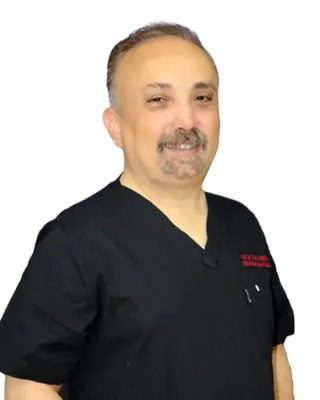 Erkan Karatas | Atlas University Hospital Istanbul, Turkey | Melanoma surgery In practice since 1999. | Ask about treatment |
 Joan Ramon Garces Gatnau | Centro Médico Teknon Barcelona, Spain | Melanoma surgery Mohs microsurgery In practice since 1986. | Ask about treatment |
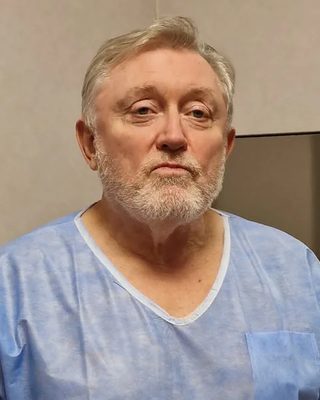 Wojciech Gackowski | WILMED Medical Clinic Warsaw, Poland | Melanoma surgery In practice since 1983. | Ask about treatment |
 Jacek Albinski | WILMED Medical Clinic Warsaw, Poland | Melanoma surgery In practice since 1982. | Ask about treatment |
Questions to ask your surgeon
- How many operations for my type of skin cancer do you perform each year?
- Why do you recommend Mohs or excision for my tumour?
- Will you check the tissue edges during surgery or after it?
- Who will repair the wound, and could I need a skin graft?
- What does the quote include for tissue tests, wound repair and follow-up?
- When can I travel home, and who will check my wound afterwards?
Patient questions
How often does skin cancer return after Mohs surgery?
Across studies of early basal cell and squamous cell skin cancers, cancer returned within 1 year in 0.2% after Mohs and 0.8% after conventional excision. The meta-analysis included 21,371 patients across surgery and radiation treatment groups; the reported percentages describe cancer returning at the treated site. PMID 31355928
What side effects were reported after further lymph node surgery for melanoma?
In the DeCOG-SLT trial of melanoma with a positive sentinel lymph node, 32 patients (13%) had severe side effects (grade 3 or 4) after removal of the remaining regional lymph nodes. These included lymph fluid swelling in 20 patients and delayed wound healing in 5. The trial reported a median follow-up of 72 months. PMID 31557067
Which operations can I read about for skin cancer?
The skin cancer evidence collection covers 6 operations: removal of the remaining regional lymph nodes; local tumour removal; removal of lymph nodes; layer-by-layer skin cancer removal with tissue checks (mohs surgery); biopsy of the first draining lymph nodes; tumour removal with a margin of surrounding tissue.
How many listed surgeons offer Mohs surgery?
5 of the 13 listed skin cancer surgeons have Mohs surgery in their operation lists. Use the Mohs operation entry to identify those profiles and ask the surgeon about treating your tumour.
Where can I compare skin cancer surgery teams?
The listed teams work at 8 clinics in 5 countries: Germany, Israel, Poland, Spain and Turkey. Each surgeon profile links to the named clinic, so you can compare the location alongside the listed operations. PMID 31355928
How much experience do the listed skin cancer surgeons have?
Recorded start years put their time in practice at about 14–44 years in 2026. Start years are recorded for 13 of 13 surgeons. Ask how many Mohs or melanoma operations the surgeon performs each year when comparing experience.
References and further reading
- Skin cancer: surgeons
- Final Analysis of DeCOG-SLT Trial: No Survival Benefit for Complete Lymph Node Dissection in Patients With Melanoma With Positive Sentinel Node.
- ESMO — Retrieved 2026-10-23
- Survival following surgical treatment for anorectal melanoma seems similar for local excision and extensive resection regardless of nodal involvement.
- Impact of extra-nodal extension and AJCC lymph node staging in predicting recurrence following lymphadenectomy in patients with melanoma.
- Surgical excision, Mohs micrographic surgery, external-beam radiotherapy, or brachytherapy for indolent skin cancer: An international meta-analysis of 58 studies with 21,000 patients.
- AAD — AAD Guidelines of care for the management of cutaneous squamous cell carcinoma (2018)
- Therapeutic Value of Sentinel Lymph Node Biopsy in Patients With Melanoma: A Randomized Clinical Trial.
- Mohs Surgery vs Wide Local Excision in Primary High-Stage Cutaneous Squamous Cell Carcinoma.
Request a treatment proposal
Share your diagnosis and reports through the Bookimed request form.
Ask about treatment
Turn information into your next step.
Free Bookimed support. Compare options before deciding.
Free Bookimed support. Compare options before deciding.